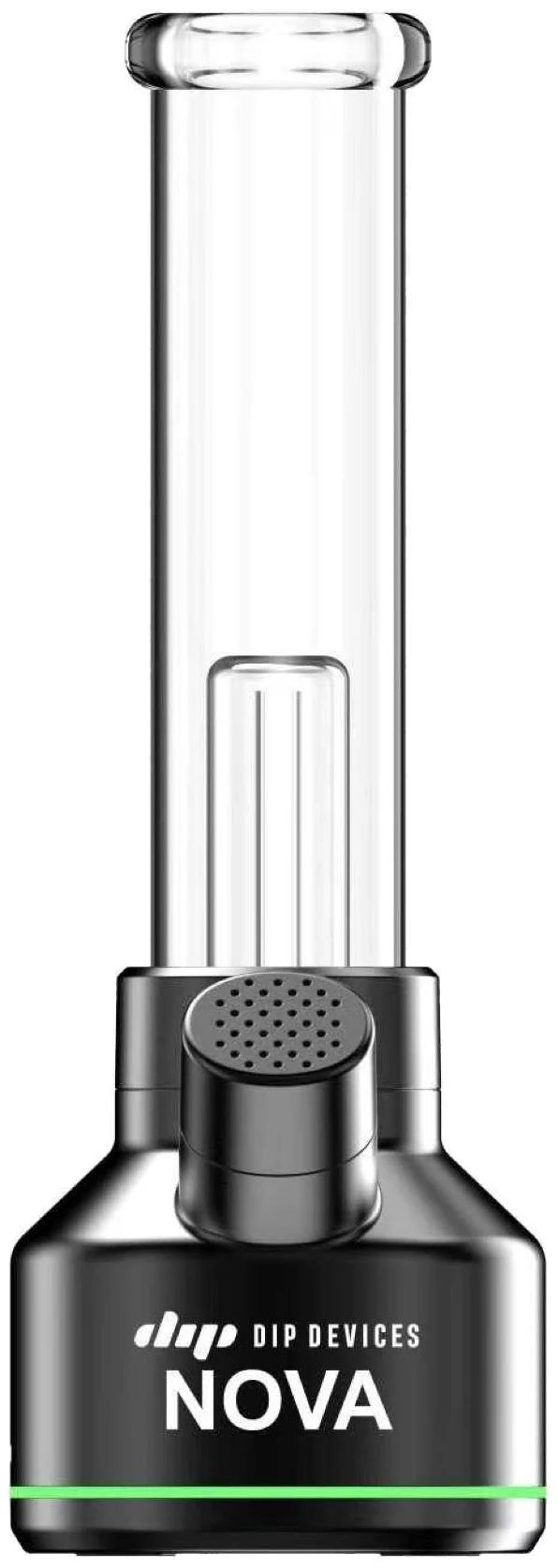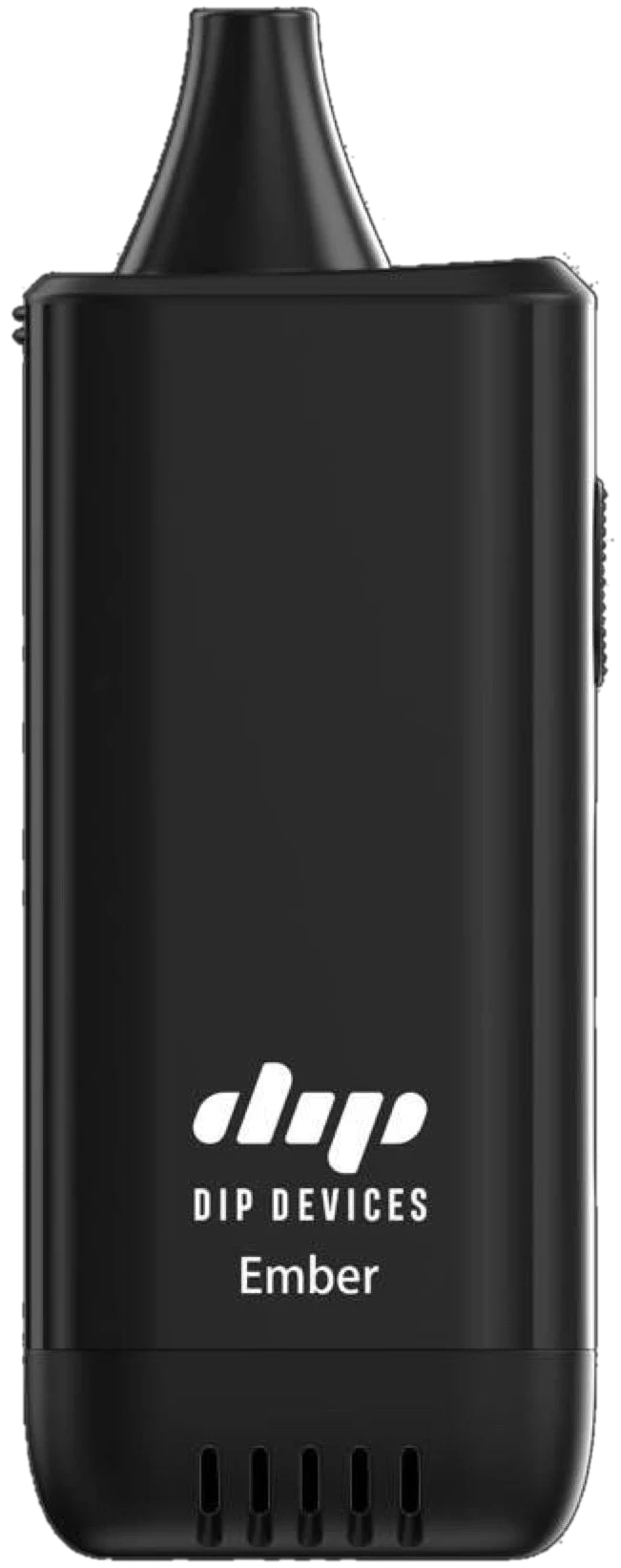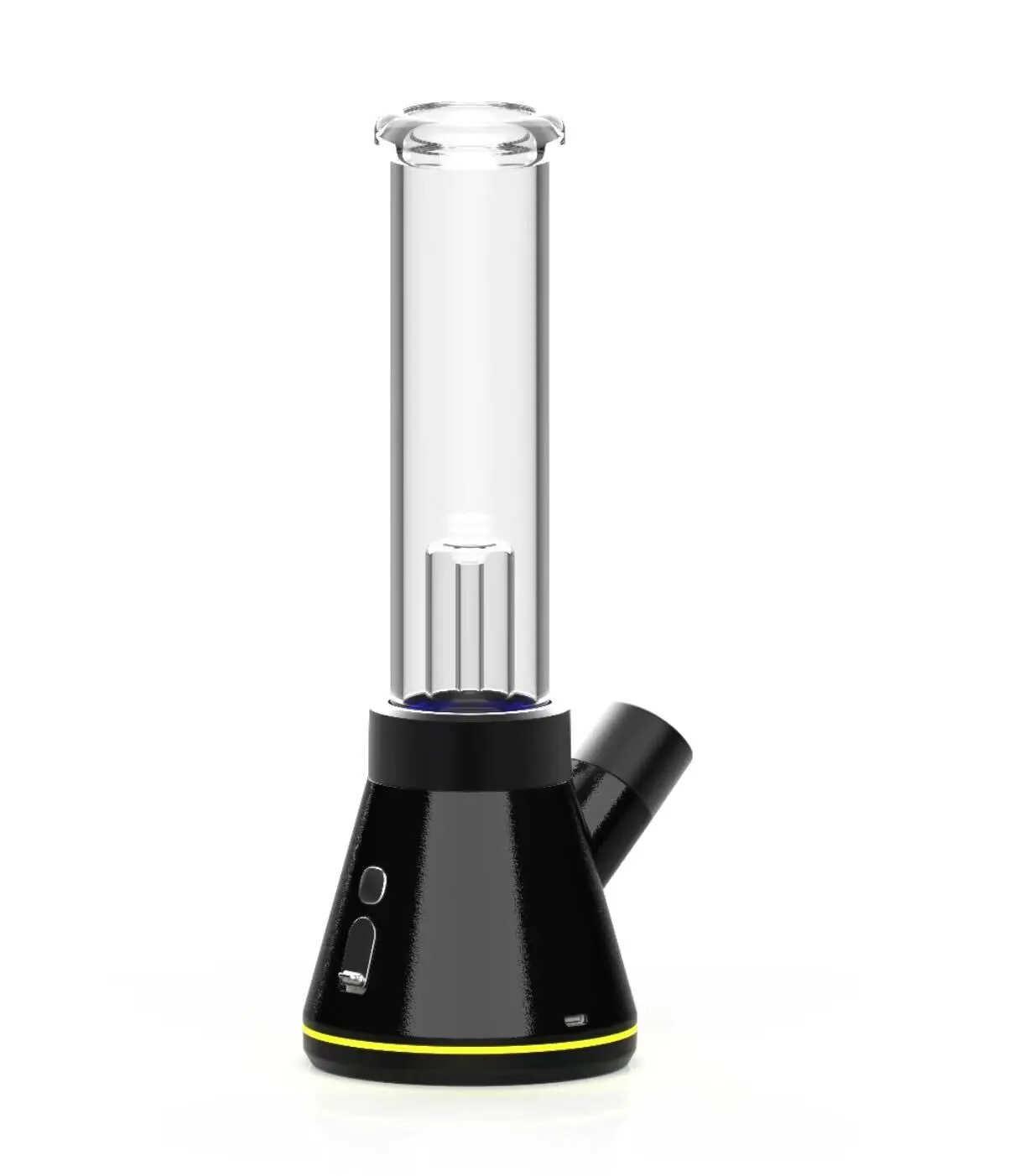
To smoke in the wind, you either fight the flame or remove it. The fastest wins are positioning and a flame that resists wind: get on the lee side of something solid, cup your hands tightly, turn your back to the gust, and use a jet/torch lighter instead of a soft one. Those buy you a session. The only thing that fully solves it is a method with no open flame — an electronic bong (eBong) combusts dry herb with an igniter coil, so there's nothing for the wind to blow out. It can't be beaten by wind or water.
Field tricks that actually help (with a lighter)
If you've got a flame and a breeze, work down this list — it's roughly in order of how much it helps:
- Find the lee side. Put a solid object between you and the wind — a rock, a wall, a parked truck, even your own crouched body. The dead-air pocket downwind is where you light.
- Use a jet/torch flame. A pressurized jet flame resists wind far better than a soft flame. It's the single biggest upgrade for an open-flame setup, though it still struggles in strong gusts and cold.
- Cup and turn. Make a tight C with your free hand around the bowl and the lighter, and turn your back so your body blocks the wind. Light inside that pocket.
- Pack tight and corner it. A well-packed bowl holds a cherry better, and "cornering" — lighting just one edge — keeps a smaller, more defensible ember instead of a wide, exposed one.
- Pre-light before you draw. Get the cherry going in the calm, then move into position and pull. Less time exposing a flame to the wind.
These work. But notice what they all have in common: they're ways to protect a flame. The flame is still the weak point, and in real wind you'll relight more than you smoke.
Why the tricks have a ceiling
A flame is heat balanced on fuel. Moving air blows it off the fuel and steals heat faster than the fuel replaces it — past a certain wind speed, no amount of cupping saves it. Worse, lighting is only half the job: even if you spark it, the wind keeps attacking the burning cherry for the whole time you're inhaling. That's why a "windproof lighter" only gets you part of the way; it's covered in full on windproof, waterproof smoking.
The real fix: no flame at all
An eBong sidesteps every trick above by removing the thing the wind attacks. An igniter coil under the bowl glows to combustion temperature and burns the dry herb directly — real smoke, drawn through water, no lighter involved. With no open flame:
- Wind has nothing to blow out, at ignition or during the draw.
- No relights — the coil heats the same way every time.
- The only thing wind affects is which way the smoke drifts, so you just face away.
It's literally true, not a slogan: windproof and flameless by mechanism. See what an electronic bong (eBong) is for the full how-it-works, or jump straight to the windproof eBong range.
Where this matters most
The windiest places are exactly where people want to light up: smoking on a boat (wind plus spray), smoking while hiking (exposed ridgelines), and smoking while skiing (cold and wind together). The flame tricks help in all of them; the flameless device makes them a non-issue.
Smoking in the wind FAQ
What's the single best trick to light up in the wind?
Get on the lee side of something solid and use a jet/torch flame. That combination handles most everyday breezes — but it still fails in strong wind and cold, because it's still an open flame.
How do I keep a bowl lit in the wind?
Pack it tight, corner it (light one edge), and shield it with a cupped hand and your back. Even then, gusts will knock it out. A flameless eBong holds the burn with an igniter coil, so wind can't put it out.
Is there a way to smoke in the wind without relighting?
Yes — use a method with no open flame. An eBong combusts dry herb with an igniter coil, so there's nothing for the wind to extinguish and no relighting.
Tired of fighting the wind? See the windproof, flameless electronic bong range and find a brand near you. 21+ only; follow your local laws.