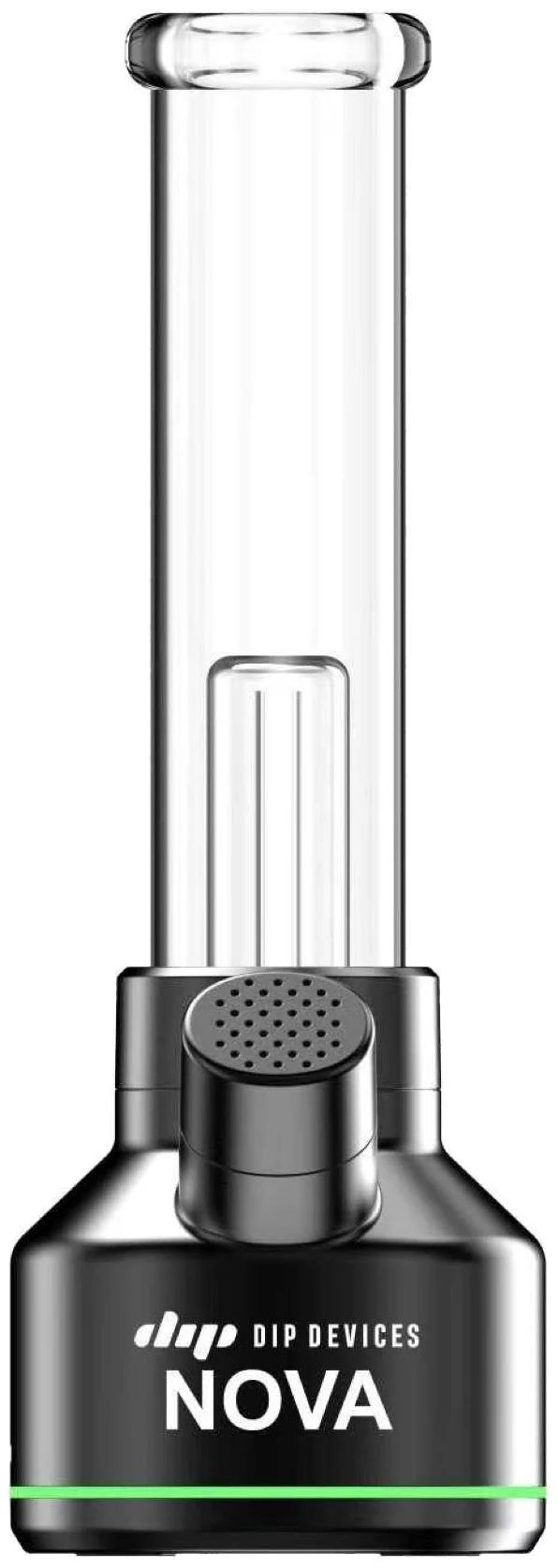
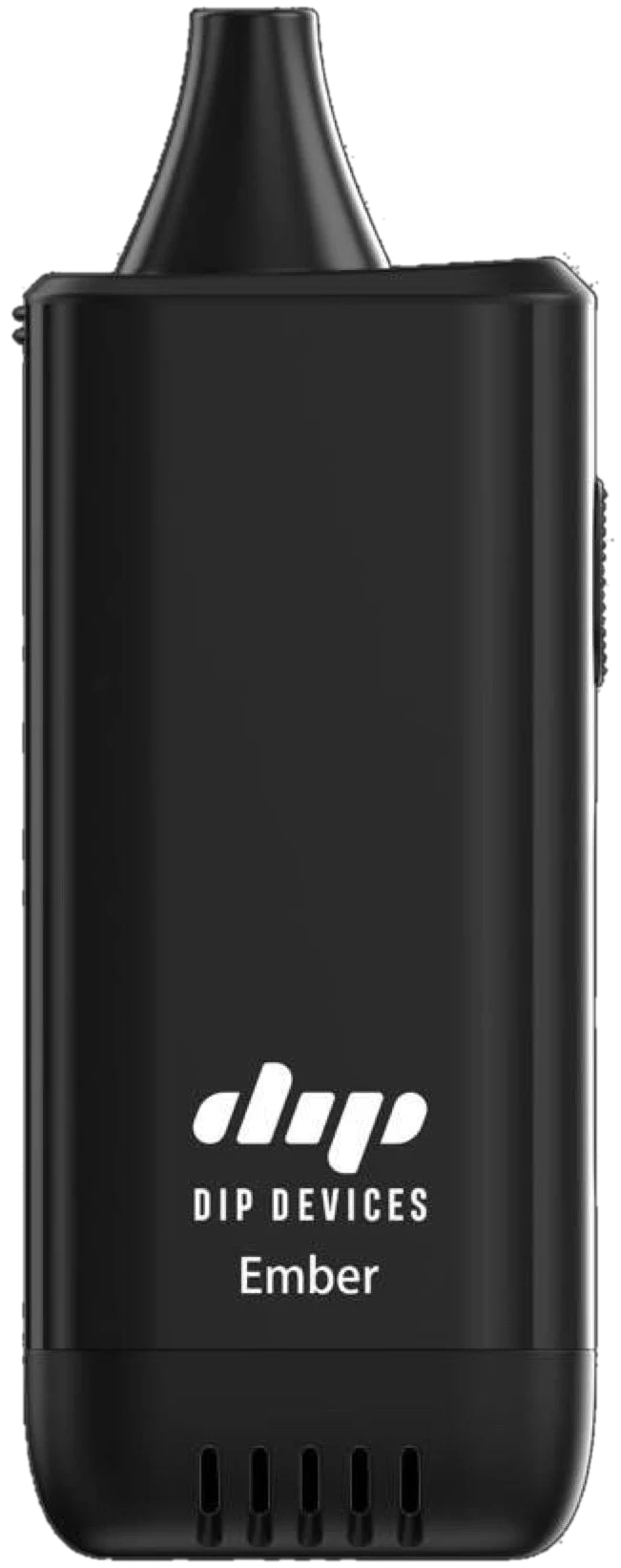
This is the quick-answer hub for the electronic bong category. An electronic bong (eBong) is an electric combustion device — it burns dry herb with true combustion using an igniter coil instead of a flame, so it can't be beaten by wind or water. It is not a vaporizer and it is not vaping. Below are the questions people ask most, answered in a sentence or two, each linking to the page that goes deeper.
The category is new enough that most of these questions come down to one thing: people aren't sure what an electric-combustion device actually is, or how it relates to the gear they already know — bongs, vaporizers and dab rigs. The answers below sort that out, grouped by theme so you can jump to what you're wondering about: the basics, the vaping question, using it outdoors, what goes in it and how it compares, and the practical and legal points.
The basics
Start here if the term itself is new to you. These three cover what an eBong is and why it counts as a genuinely different product rather than a restyled water pipe.
What is an electronic bong?
An electronic bong (eBong) is a water pipe that uses an igniter coil to combust dry herb instead of a flame. You press a button, the coil glows and brings the herb past the burn point, and the resulting true smoke is filtered through water just like a classic bong. The full definition is on what is an electronic bong (eBong).
What does "eBong" mean?
eBong is shorthand for the electronic bong — the lead term for the category. You'll also see it written as "electric bong." It refers to the electric-combustion water pipe, not to any single brand.
Is an eBong a new kind of product?
The form factor is familiar — a water pipe — but the ignition is new. Swapping an open flame for an igniter coil is what makes the category genuinely different, because it removes the one thing every lighter and torch depends on.
What is the igniter coil?
The igniter coil is the part that replaces the flame — the electric coil or mesh under the bowl that glows to ignition temperature when you press the button. It's the one component that makes an eBong an electric combustion device, and it's the wear part: residue builds on it, so wipe it clean, and on the first devices it's sold as a drop-in replacement. The mechanism is explained in electric combustion.
Is it vaping? (the big one)
This is the question that drives most of the confusion, because the eBong is battery-powered and the word "vape" now gets attached to almost anything electronic. The short version: a battery doesn't make something a vape — the process does.
Is an electronic bong vaping?
No. Vaping (vaporizing) deliberately heats material below the burn point to make vapor. An eBong deliberately crosses the burn point to make true smoke — it combusts. Same as a joint or a traditional bong, just with an igniter coil instead of a flame. The myth-buster is on is it vaping?
What's the difference between combustion and vaporization?
Combustion burns the plant material (roughly 450 °C / 850 °F and up), producing smoke. Vaporization heats it to a lower band (about 180–220 °C / 355–430 °F), producing vapor without burning. Same plant, different physics, different result — see vaping vs combustion for the mechanism-level breakdown.
If it has a battery, isn't it basically a vape?
No — a battery just replaces the lighter. "Vape" describes vaporizing below the burn point; the eBong burns above it. What's produced (smoke, not vapor) and the temperature it reaches are what put a device in the combustion category, not whether it has a battery.
Outdoors, wind and water
The no-flame design is the reason the category exists, and it matters most away from the couch. Here's how it holds up where a lighter would normally give you trouble.
Is an electronic bong really windproof and waterproof?
Because it uses an igniter coil instead of an open flame, there's no flame for wind to blow out or water to extinguish — that's exactly what makes it work where a lighter can't. It's windproof, waterproof and flameless by design. Treat any specific water-resistance rating as device-specific, and see windproof, waterproof smoking for the use cases.
Can I use it on a boat, hiking, camping or skiing?
That's the point of the category. A lighter gutters in wind, won't catch in the cold and dies when wet; an igniter coil doesn't care about wind, water or altitude. The boat, the trail, the campsite and the chairlift are where the no-flame advantage shows up most.
What goes in it, and how it compares
The eBong sits in a crowded shelf of devices — bongs, vaporizers, dab rigs — so it's worth being precise about where it fits and where it doesn't. These answers draw those lines.
What can I put in an electronic bong?
Dry herb. The eBong is a dry-herb combustion device. If you use concentrate (wax or oil), you want a different tool — an electric dab rig, which vaporizes concentrate rather than burning flower.
Can I use it for both dry herb and concentrate?
Treat the eBong as a dry-herb device. Concentrate is a separate category that heats, not burns — so it belongs to e-rigs and dab straws. Mixing the two isn't what the eBong is built for.
How is an electronic bong different from a dab rig?
An eBong combusts dry herb and produces smoke; a dab rig heats concentrate and produces vapor. One burns flower, the other vaporizes wax or oil — different material, different temperature, different output. For the concentrate side, see electric dab rig.
How is it different from a traditional bong?
Same true smoke, same water filtration, same smooth draw — the eBong just trades the lighter for a button, so it works in wind and water and lights evenly every time. The full comparison is on electronic bong vs a traditional bong.
Is it the same as a dry-herb vaporizer?
No. A dry-herb vaporizer stays below the burn point to make vapor; the eBong crosses it to make smoke. They're opposite approaches to the same plant. We never call the eBong a vaporizer except to draw this contrast.
Practical and legal
Finally, the day-to-day and the fine print — water, the health question we won't overstate, legality, how old you have to be to buy one, and where to actually get one.
Does it need water like a normal bong?
Yes — the smoke is pulled down through a water chamber and up the tube, cooled and filtered the same way a traditional water pipe does it.
Is it healthier than smoking with a lighter?
We don't make health claims. Both an eBong and a lighter combust dry herb, so both produce smoke; the research on long-term effects of inhaling any combustion product is still developing. For the careful version with sources, see reputable references such as the CDC and NIH, and our sourced comparison on vaping vs combustion.
Is an electronic bong legal?
Legality depends on where you are and what you put in it — cannabis laws vary widely by country, state and region, and the rules around the substance are separate from the device itself. We don't assert legality for any market; check your local laws before buying or using one. Where purchase intent applies, these devices are intended for adults 21+.
How old do you have to be to buy a bong?
The number depends on where you are, and it is set by the country you buy in rather than by anything about the device. In the United States the working answer is 21: most shops sell water pipes as tobacco accessories and apply the federal Tobacco 21 threshold to them, and dispensaries in adult-use states are 21+ without exception. In the United Kingdom it is 18, the age at which tobacco and smoking accessories may lawfully be sold. Across most of Europe, including Germany and France, it is also 18. Canada splits by province: 19 in most of them, 18 in Alberta, Manitoba and Québec. Two caveats hold everywhere: a retailer may set an age higher than the law requires and is entitled to, and the age to buy the hardware is a separate question from the age and legality rules that apply to whatever you put in it. Check both for your own market.
Do you need to be 21 to buy a bong?
In the US, expect 21+ in practice. Most shops sell water pipes as tobacco accessories, and the federal Tobacco 21 law (in force since December 2019) set 21 as the minimum age to buy tobacco products — so the majority of smoke shops and online sellers apply the same 21+ rule to the glass and hardware on the shelf. It isn't uniform, though: the minimum age for accessories is set at state and local level rather than by one national rule, a few jurisdictions still allow 18+ or 19+, and individual retailers often set their own stricter policy regardless. Dispensaries in adult-use states are 21+. The reliable answer is the one your state and your chosen retailer give — check both before you order.
Do you have to be 21 to buy an electronic bong?
Same answer as any other water pipe: the device is hardware, so the age rule that applies is the one your retailer and jurisdiction apply to smoking accessories — commonly 21+ in the US. An igniter coil doesn't change the category. Every brand this hub routes you to sells to adults only, and we treat 21+ as the floor across the site.
Do you need an ID to buy a bong?
Yes — plan on it. In-store you'll be asked for government-issued photo ID at the counter. Online, expect an age check at checkout (date of birth at minimum, and often a third-party age-verification step against public records), and many retailers require an adult signature on delivery. Refusing or failing the ID check is the retailer protecting its licence, so there's no way around it.
Where can I find one?
The hub doesn't sell anything — it routes you to the launch brands that do. Start at where to find an electronic bong to browse the device range and find a brand. 21+ only; follow your local laws.
Still deciding which device fits how you actually smoke? Compare the electronic bong range and find where to get one. 21+ only; follow your local laws.