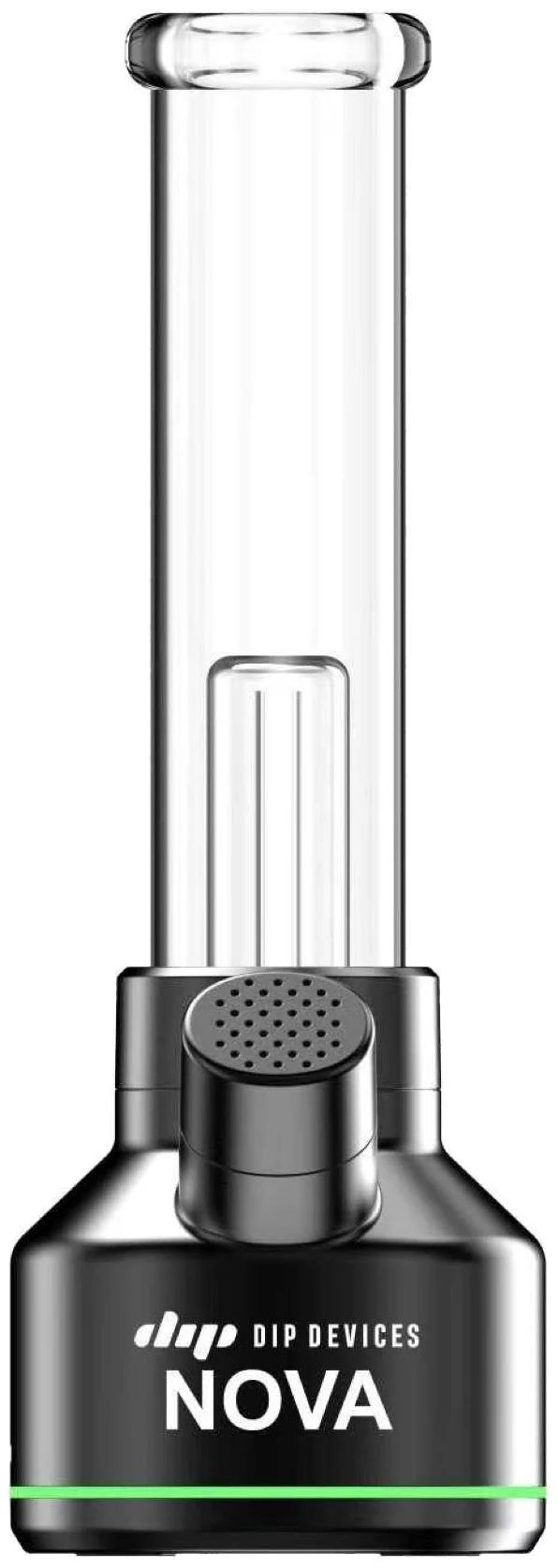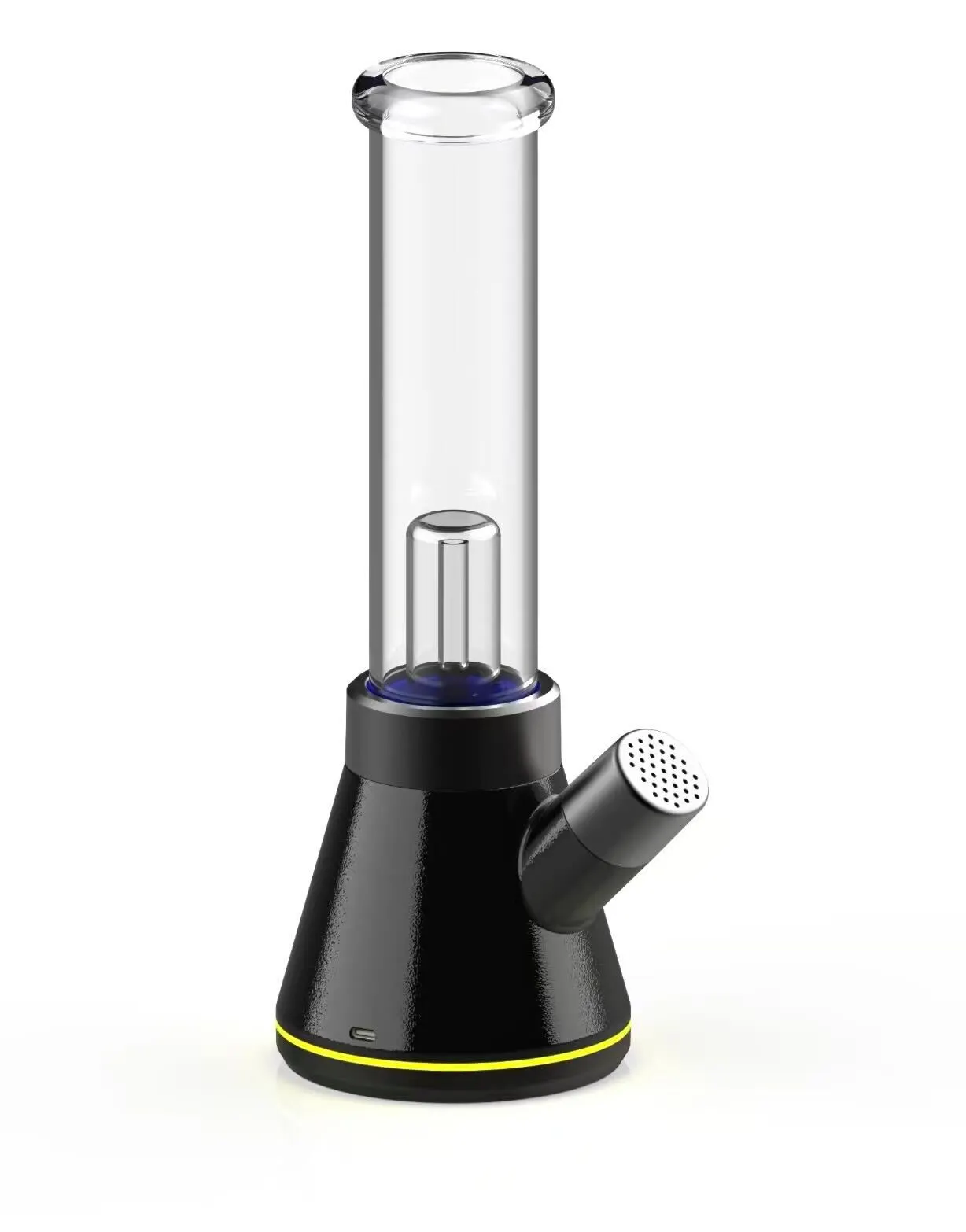
Smoking on a boat is the hardest test there is, because you're fighting wind and water at the same time. Even on a calm day, a moving boat makes its own wind, and there's always spray, humidity and an unsteady deck working against an open flame. A lighter gutters, won't relight, and goes overboard the second a wave hits. The fix isn't a better lighter — it's no flame at all. An electronic bong (eBong) combusts dry herb with an igniter coil, so it can't be beaten by wind or water.
Why a lighter never works on the water
On a boat, four things gang up on a flame:
- Apparent wind. Even at anchor there's usually a breeze, and under way the boat's own speed adds to it. A soft flame doesn't stand a chance; even a jet lighter is fighting the whole time.
- Spray and humidity. Salt spray, a wet rail, damp hands — water and butane don't mix. One splash and your lighter is dead until it dries.
- An unsteady deck. You're trying to hold a flame to a bowl while the floor pitches. It's awkward and you lose the cherry constantly.
- Overboard risk. Drop a lighter on land, you pick it up. Drop it off the stern, it's gone — and so is your session.
This is exactly the gap covered in windproof, waterproof smoking: a "windproof lighter" might survive long enough to light something, but on the water you need the burn to hold through wind and spray, not just spark once.
The flameless, waterproof fix
An eBong removes the flame from the equation entirely. An igniter coil under the bowl glows to combustion temperature and burns the dry herb directly — real smoke, no lighter. Because there's nothing burning in open air:
- Wind has nothing to blow out. Apparent wind, gusts, your own movement across the deck — none of it touches a sealed element.
- Spray can't extinguish it. There's no flame for water to kill. The device is sealed and flameless; treat any specific water-resistance rating as device-specific and don't submerge it unless its rating allows. See a waterproof smoking device for what that means in practice.
- One device, one button. No fumbling a lighter on a pitching deck and no relights. Press, draw, done.
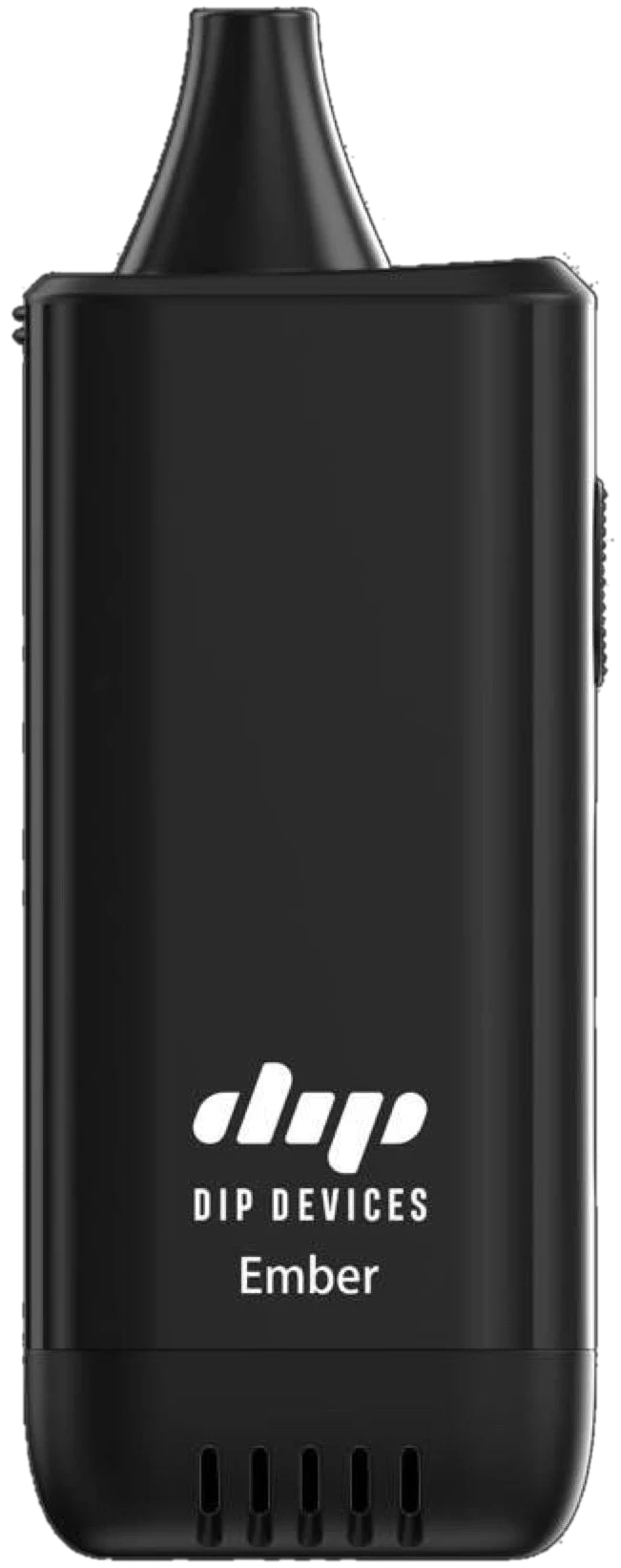
For boating, the pocketable handheld electric herb pipe is usually the call — it's the form factor built to ride in a dry bag and come out ready. For the full mechanism, see what an electronic bong (eBong) is.
Quick tips for smoking on a boat
- Stash it dry. Even a sealed device lives longer in a dry bag between uses.
- Mind the wind for the smoke, not the light. With no flame to protect, you only have to think about which way the smoke blows — sit with the wind at your back.
- Charge before you launch. It's a rechargeable device; top it off at the dock so battery isn't your limiter offshore.
- Be a responsible passenger. Never operate a vessel impaired — keep this to passengers or time at anchor, and follow the on-water laws where you are.
If the wind is the bigger factor than the water on your trip, the field tricks in how to smoke in the wind apply too — though on a flameless device most of them become unnecessary.
Smoking on a boat FAQ
Can you actually smoke on a boat in the wind?
With an open flame, barely — wind and spray fight you constantly. With a flameless eBong there's no flame for the wind to blow out, so the wind only affects which way the smoke drifts, not whether you stay lit.
Is the device safe around water and spray?
There's no open flame, so water can't extinguish it the way it kills a lighter, and the device is sealed. Water resistance is device-specific — don't submerge it unless its rating allows, and stash it dry between uses.
Handheld or tabletop on a boat?
Handheld. A pocketable electric herb pipe rides in a dry bag and comes out ready; a tabletop water pipe is impractical on a moving deck.
Want gear the water can't kill? See the flameless electronic bong range and find a brand near you. 21+ only; never operate a vessel impaired; follow your local laws.