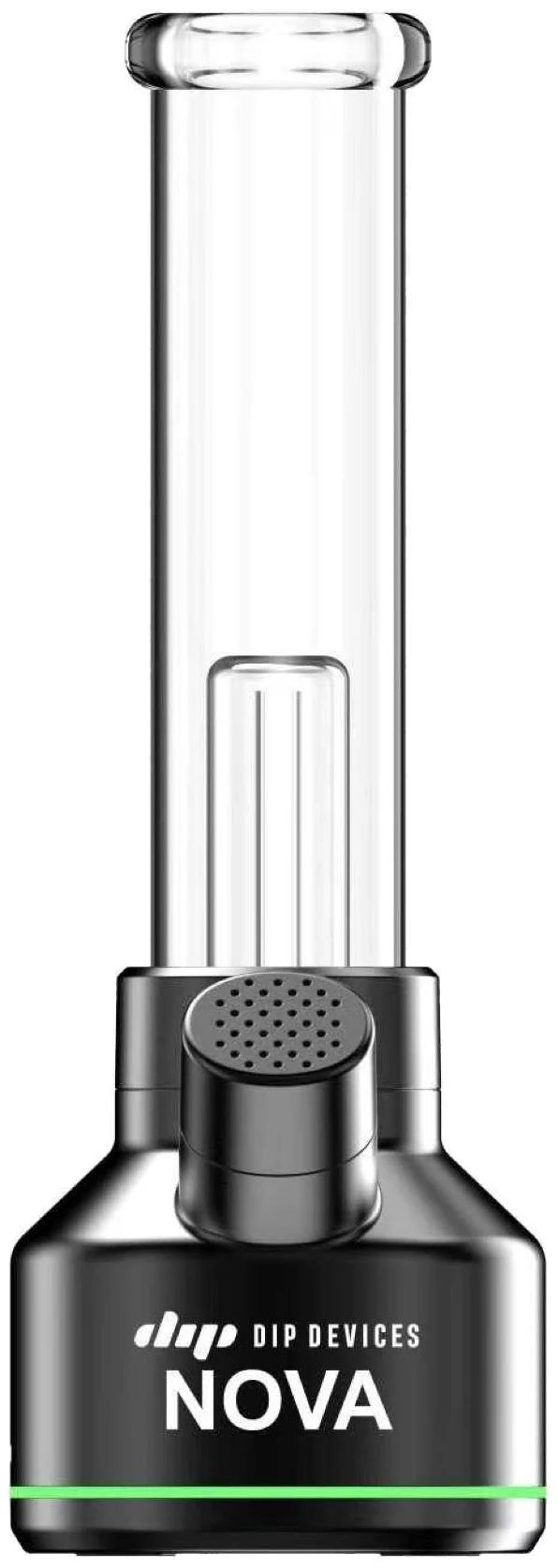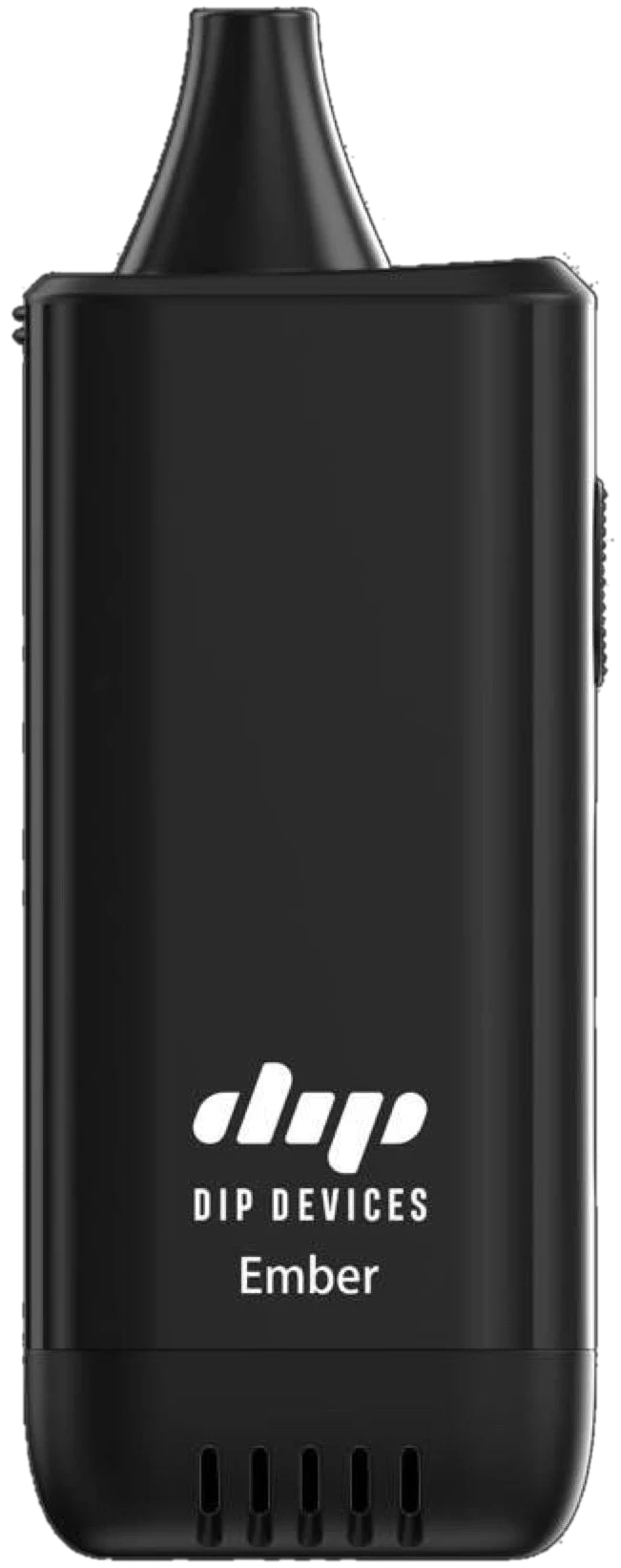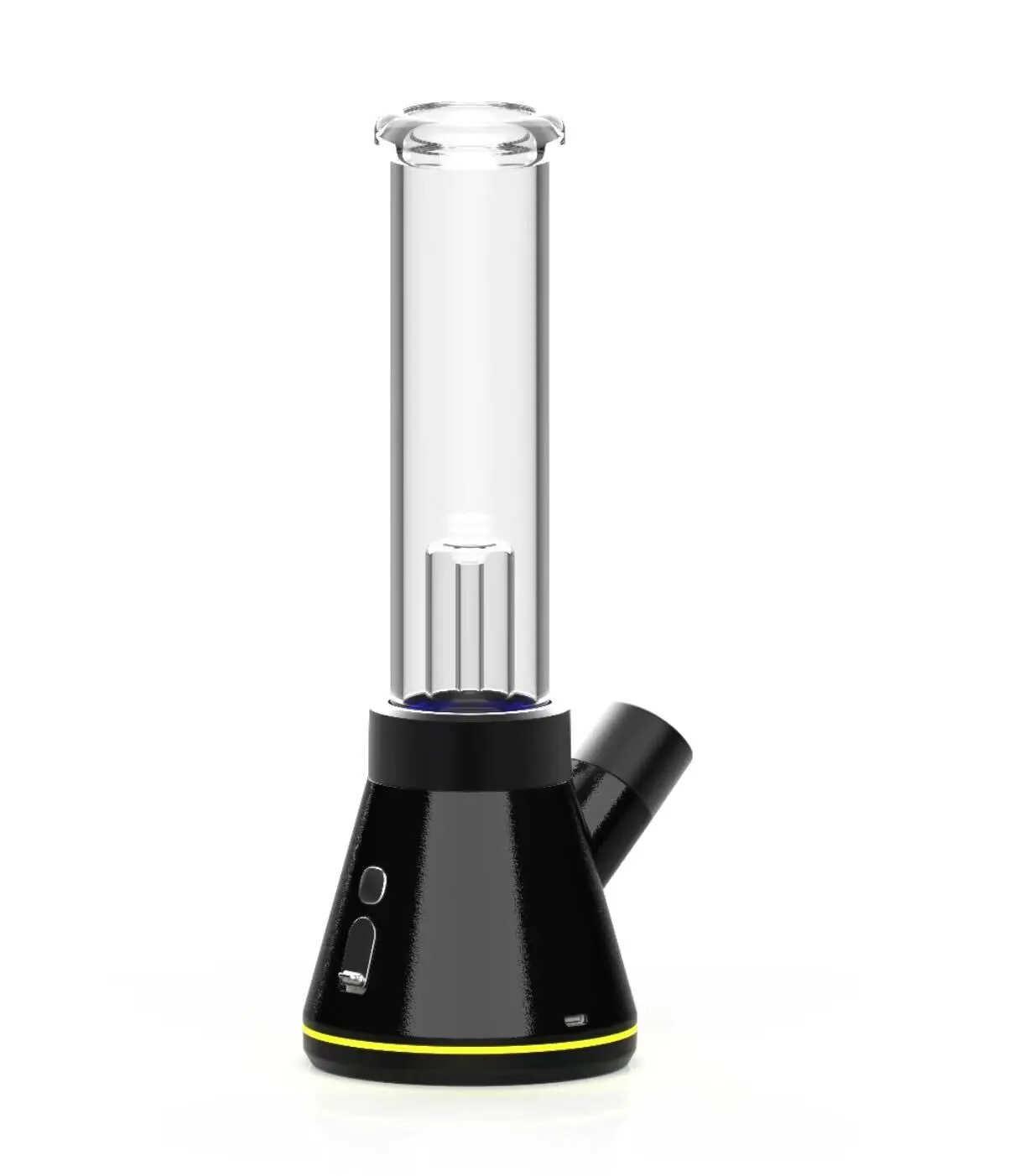
The reason it's so hard to smoke in the wind isn't the wind itself — it's the flame. A "windproof lighter" can survive a gust long enough to light something, but the moment you set the lighter down and start drawing, you're back to fighting a cherry that keeps going out. The only thing that's genuinely windproof is a smoking method with no open flame at all: electric combustion. An electronic bong (eBong) burns dry herb with an igniter coil instead of a lighter, so there's nothing for the wind to blow out — it can't be beaten by wind or water.
Why flames fail in wind
I've tried to light up on a lot of ridgelines, decks and tailgates, and the failure is always the same. A flame is a delicate chemical reaction balanced on a fuel source. Moving air does two things to it: it physically blows the flame away from the fuel, and it strips heat away faster than the fuel can replace it. Below a certain temperature the reaction stops. That's your lighter dying.
The deeper problem is that lighting is only step one. Even if you get a flame to the bowl for a second, wind keeps attacking the burning cherry the entire time you're trying to draw. Traditional smoking assumes still air. Take that assumption away and the whole method gets fussy — cupped hands, turned backs, three relights per bowl. None of the usual flame tricks remove the flame, so none of them fully solve it.
The windproof-lighter landscape (and where it stops)
"Windproof lighter" is a huge search for a reason — people want the problem gone. Here's the honest landscape, because each option fixes a different slice:
- Jet / torch (butane) lighters. A pressurized jet flame resists wind far better than a soft flame — this is the classic "windproof lighter." But it's still an open flame: it can be overwhelmed by strong gusts, it struggles in cold, and it's useless once it's wet.
- Plasma / arc lighters (electric lighters). A plasma lighter (also called an arc lighter or electric lighter) fires an electric arc between two electrodes instead of a flame. Because there's no flame, wind can't blow it out — genuinely windproof for ignition. The catch: the arc is tiny and short-range, made for lighting a wick or candle, not for sustaining the burn on a packed bowl while you inhale.
- "Flameless lighter." Usually a marketing label for a plasma/arc or coil lighter. Flameless is the right idea — it's just applied to the ignition tool, not the smoking method.
See the pattern: every "windproof lighter" is solving how do I make fire in wind. The real question for a smoker is how do I stay lit while I draw, in wind. That's a different — and bigger — problem.
Why electric combustion is the real fix
Electric combustion takes the lesson of the plasma lighter — no flame, nothing to blow out — and builds it into the device that does the smoking, not a separate tool. In an eBong, an igniter coil sits under the bowl. Press the button and the coil glows to combustion temperature, bringing the dry herb past the burn point directly. Real smoke, drawn through water, exactly like a traditional bong — but with no lighter anywhere in the picture.
That single change closes the gap a windproof lighter leaves open:
- Nothing to blow out. No flame means wind has nothing to attack — not at ignition, and not during the draw.
- No relights. The coil heats the same way every time, so a gust doesn't reset you to square one.
- Works wet and cold. A sealed, flameless device isn't extinguished by spray or rain, and an element doesn't care about cold the way butane does. (Treat any specific water-resistance rating as device-specific.)
This is the wedge of the whole category, and it's literally true rather than a slogan: it's windproof, waterproof and flameless by mechanism. For the full how-it-works, see what an electronic bong (eBong) is.
Lighter types vs electric combustion
| Soft-flame lighter | Jet / torch lighter | Plasma / arc (electric) lighter | Electric combustion (eBong) | |
|---|---|---|---|---|
| Open flame? | Yes | Yes | No (arc) | No (igniter coil) |
| Survives wind to light | Poorly | Well | Yes | Yes |
| Keeps you lit while you draw | No | Fights wind the whole time | No — built to ignite, not sustain | Yes — element holds the burn |
| Works when wet | No | No | Limited | Yes (sealed, flameless)* |
| Works in cold | Poorly | Butane struggles | Yes | Yes |
| Is it the smoking method or a separate tool? | Separate tool | Separate tool | Separate tool | The device itself |
*Water resistance is device-specific; the point is there's no flame to extinguish.
How to smoke in the wind, in practice
If you're working with a flame today, the standard moves help a little: cup your hands hard around the bowl, turn your back to the gust, use a jet/torch instead of a soft flame, and light on the lee side of anything solid — a rock, a truck, your own body. For the full set of field tricks, see how to smoke in the wind. But understand what they are: ways to fight a flame, not ways to remove it. The eBong removes it.
Where the windproof advantage actually pays off
The places people most want to smoke are the places with the most wind and water. That's the whole use-case cluster:
- On the water — smoking on a boat, where wind, spray and an unsteady deck kill a lighter instantly.
- Off-grid — smoking while camping, where you want one rechargeable device and no lighter roulette in the cold.
- On the move — smoking while hiking, with exposed ridgelines and constant wind.
- In the cold — smoking while skiing, gloves on, on an exposed chairlift, where butane barely fires.
- Around water generally — what makes a waterproof smoking device work, and why no-flame is the key.
For tabletop sessions there's the windproof eBong range; for packing light there's the handheld electric herb pipe.
Windproof smoking FAQ
Is a plasma or arc lighter actually windproof?
For lighting, yes — a plasma/arc lighter uses an electric arc instead of a flame, so wind can't blow it out. The limit is that the arc is small and designed to ignite something, not to keep a packed bowl burning while you inhale in wind.
What's the most windproof way to smoke?
A method with no open flame at all. An eBong uses an igniter coil to combust dry herb, so there's nothing for wind to extinguish — at ignition or during the draw.
Does the eBong work in the cold like a windproof lighter struggles to?
An igniter coil reaches combustion temperature on demand and isn't subject to butane's cold-weather pressure drop, so it fires consistently in the cold. Battery life can shorten in extreme cold, so keep the device warm between uses.
Is it really waterproof?
Because there's no flame, water can't put it out the way it kills a lighter. The device is sealed and flameless; treat any specific water-resistance rating as device-specific. See a waterproof smoking device.
Ready for a method the wind can't beat? See the windproof, waterproof electronic bong range and find a brand near you. 21+ only; follow your local laws.