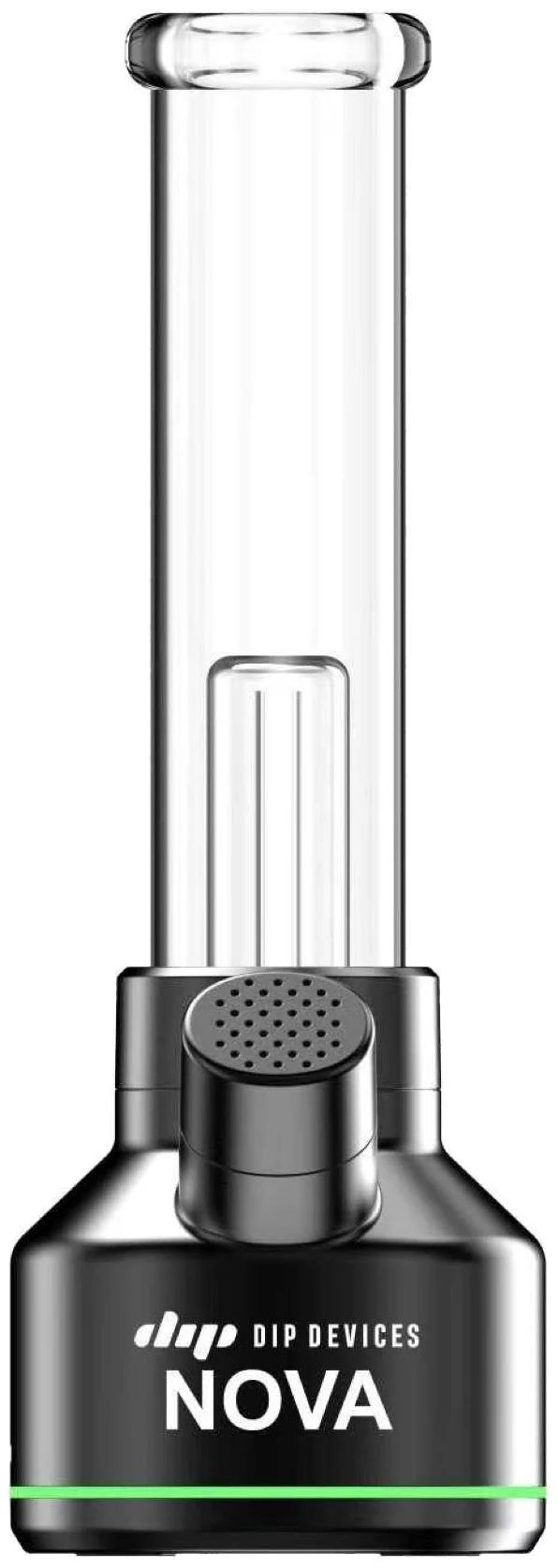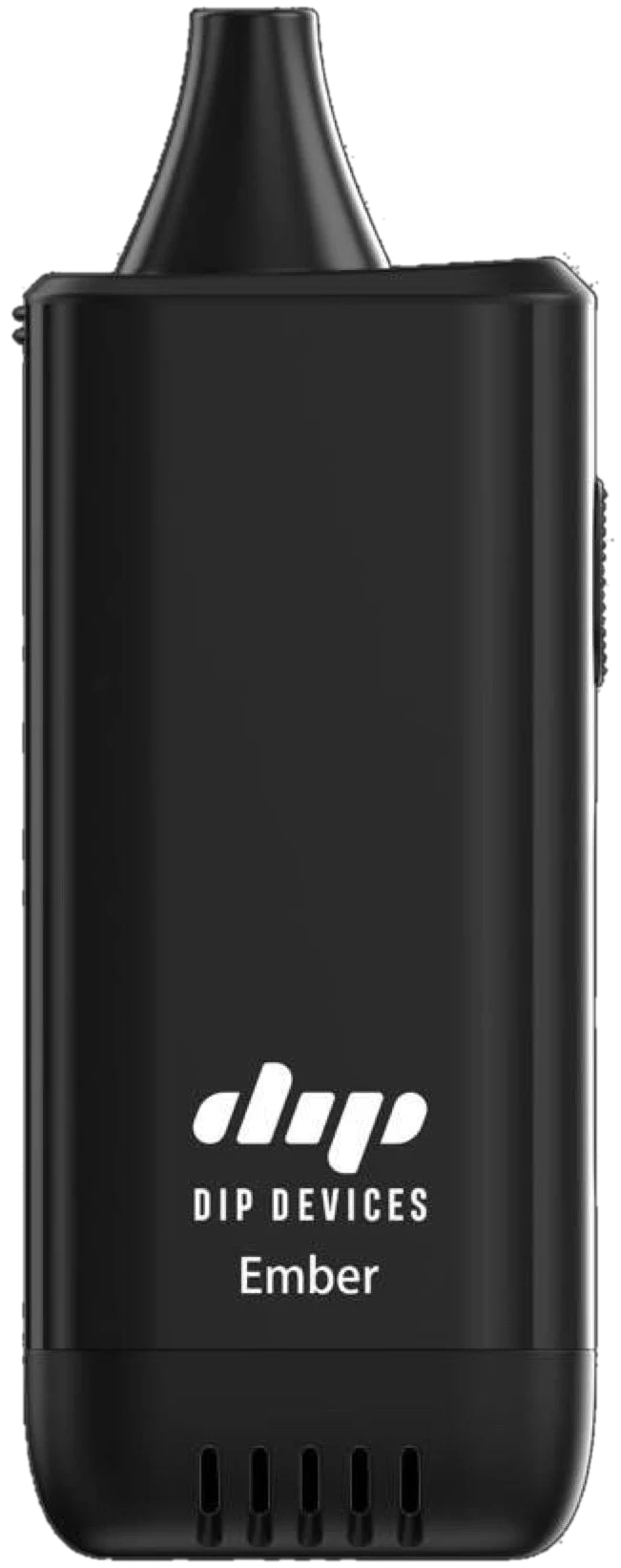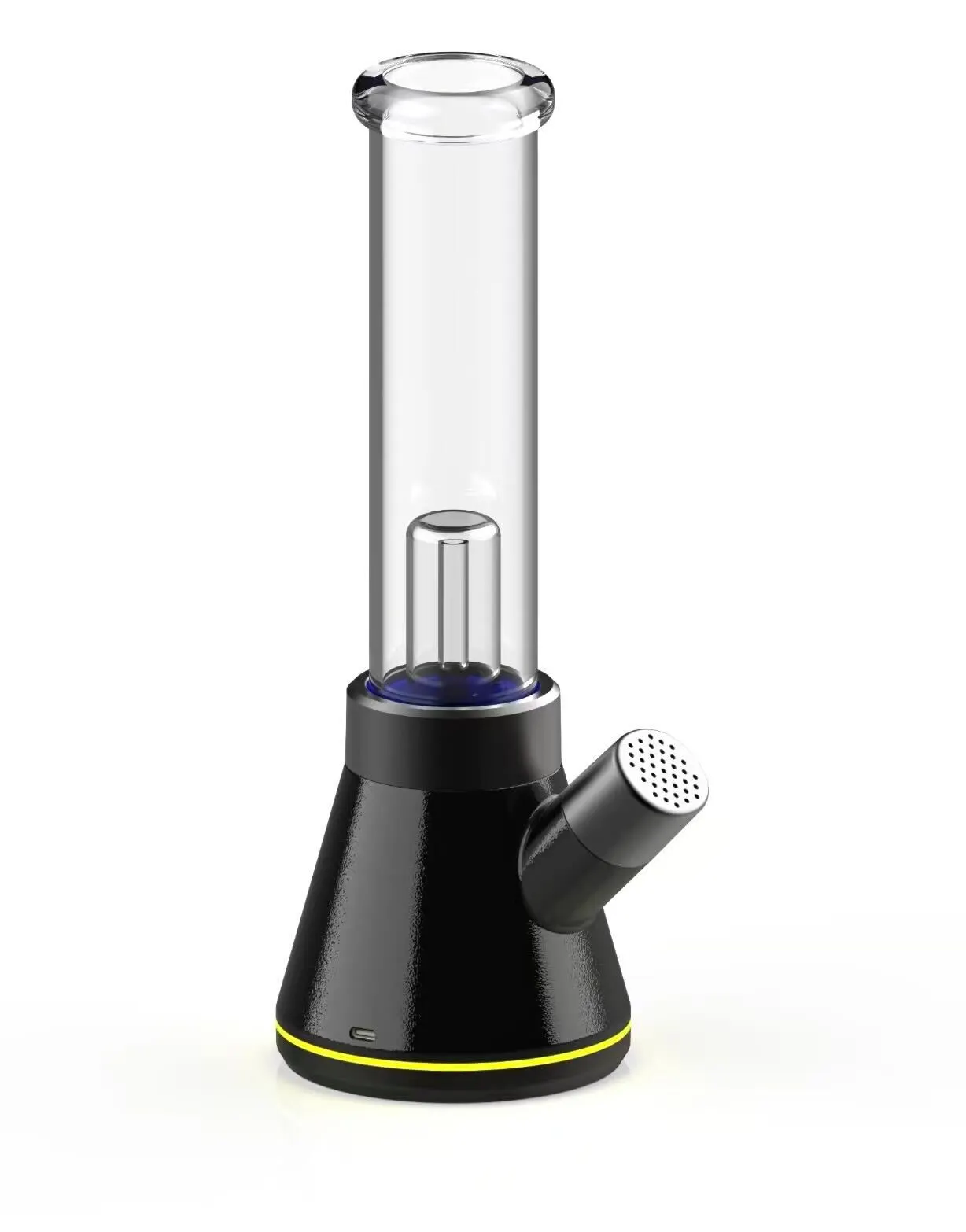
A weed pipe for hiking has to clear three bars at once: it has to pack small, survive a day in your bag, and actually light on an exposed, windy ridgeline — which is where a lighter lets you down. You earn the summit, sit down to celebrate, and the wind kills your flame three times. A flameless electronic bong (eBong) fixes that: it combusts dry herb with a packable electric element, no lighter, so it can't be beaten by wind or water.
Why the ridgeline is the worst place to use a lighter
The best moments on a hike are also the most exposed. Summits, saddles and open ridgelines are the windiest ground on the whole trail — there's nothing to block the air. That's precisely where you want to stop and enjoy the view, and precisely where a flame is hardest to keep alive. The wind blows a soft flame out instantly and fights a jet lighter the entire time you draw; you can read why in how to smoke in the wind.
Add the rest of the trail reality: cold once you stop moving and the sweat chills, damp from weather or stream crossings, and the fact that you packed light — you don't want a pipe, a lighter, a backup lighter and a poker all rattling around. The flame is the fragile link in all of it.
What makes a good hiking pipe
- Packable and durable. It has to take a beating in a pack without snapping. A handheld electric herb pipe is built as a single rugged unit rather than fragile glass.
- Windproof where it counts. The ignition can't depend on shielding a flame on an exposed ridge.
- One thing to carry. No separate lighter to lose, soak or run dry.
- Discreet. Low profile and self-contained for shared trails and trailheads.
The flameless fix on the trail
An eBong meets all four. An igniter coil glows to combustion temperature and burns the dry herb directly — real smoke, no spark. On a hike that means:
- Windproof on the ridge. No flame for the wind to blow out, so the summit session isn't a fight.
- Cold-tolerant. The coil fires on demand and isn't subject to butane's cold-weather pressure drop, so a chilly stop doesn't stall it. (Keep the device warm in a pocket, since cold shortens battery life.)
- Damp-tolerant. A sealed, flameless device shrugs off the drizzle that kills a lighter. Water resistance is device-specific — see a waterproof smoking device.
- One unit. No lighter to lose over the side of the trail.
About altitude: the real altitude problem for smokers is that high, open terrain is windier and colder — and that's exactly what a flameless element handles. The pocketable handheld electric herb pipe is the form built for this; for the full mechanism see what an electronic bong (eBong) is.
Trail tips
- Charge at the trailhead and keep the device in an inside pocket so cold doesn't drain it.
- Stash it dry in a zip pouch with your dry herb.
- Pick your spot for the smoke, not the light — with no flame to shield, just sit with the wind at your back.
- Leave no trace and follow the local laws on whatever land you're hiking.
Basecamping the same trip? See smoking while camping. Cold-weather objective? See smoking while skiing. It's all the same wedge: windproof, waterproof smoking.
Hiking pipe FAQ
What's the best weed pipe for hiking?
A flameless, packable one. A handheld eBong combusts dry herb with an igniter coil, so it lights on an exposed ridge where a lighter won't, and it's one durable unit instead of glass-plus-lighter.
Will it light at altitude / on a windy summit?
Yes. The hard part of a summit is wind and cold, and a flameless element isn't blown out by wind or stalled by cold the way a lighter is. Keep the device warm so the battery holds.
Do I need to carry a lighter as backup?
No — the coil does the igniting, so there's no flame to fail. Just carry a charged device (and a power bank on multi-day trips).
Want a trail piece the wind can't beat? See the packable, flameless electronic bong range and find a brand near you. 21+ only; leave no trace and follow your local laws.