Vaping and combustion are not the same thing — they are two different ways of getting cannabinoids out of cannabis, and they happen at different temperatures, release different things, and feel different. Combustion burns the material with true combustion, producing smoke. Vaporization heats it below the burning point, producing vapor. Most "vaping vs smoking" guides stop there. This one goes a level deeper — into what's actually happening inside the device — because the difference decides your taste, your effect, and even which device you should own.
Vaping vs smoking: the one-sentence answer
When you smoke, you burn dry herb. Burning is combustion — a rapid reaction with oxygen, usually above roughly 450 °C (about 850 °F), that breaks the plant down into smoke: cannabinoids, plus tar, ash and the byproducts of burning. When you vape (vaporize), a device heats the same material to a lower temperature — typically about 180–220 °C (around 355–430 °F) — hot enough to release cannabinoids and terpenes as vapor, but below the point where the plant matter actually catches and burns. Same plant; different physics; different result.
The comparison table (combustion vs vaporization)
| Combustion (smoking) | Vaporization (vaping) | |
|---|---|---|
| What happens | The material burns | The material is heated, not burned |
| Typical temperature | ~450 °C+ (850 °F+) | ~180–220 °C (355–430 °F) |
| What you inhale | Smoke (cannabinoids + tar, ash, combustion byproducts) | Vapor (cannabinoids + terpenes, fewer combustion byproducts) |
| Taste | Fuller, "toasted," classic smoke flavor | Cleaner, more terpene-forward, lighter |
| Onset & feel | Fast, heavy, familiar | Fast, often described as clearer/lighter |
| Ready to use | Instant — lights on demand, no warm-up | Warm-up wait — the device climbs to temperature first |
| Material | Dry herb (also: how a bong, pipe or joint works) | Dry herb, or concentrate in a dab/e-rig |
| Classic device | Joint, pipe, bong, and the electronic bong (eBong) | Dry-herb vaporizer, vape pen, electric dab rig |
Neither row is "the healthy one." Both deliver active compounds to your lungs, and the research on long-term effects is still developing — see vaping vs smoking and your lungs for the careful version, with sources. The honest framing is about mechanism and experience, not health claims.
Why people confuse the two
The words got blurred by the e-cigarette boom. "Vape" came to mean almost any battery-powered inhalation device, and "smoking" became a catch-all for cannabis use. But a dry-herb vaporizer and a joint are doing opposite things at the chemical level — one stays below the burn point on purpose, the other crosses it on purpose. If you've ever argued with a friend about whether a dab rig is "smoking," this is why: a traditional dab actually vaporizes concentrate, even though it feels like a big hit. Intent and temperature, not the size of the cloud, decide which category you're in. For the cannabis-specific version of this debate, see smoking weed vs vaping.
The third category most guides leave out: electric combustion
Here's what almost no "vaping vs smoking" article mentions: there is a third option that is combustion — real smoke, real burn — but with no flame. It's called electric combustion, and it's the technology behind the electronic bong (eBong).
An electronic bong (eBong) is an electric combustion device — it burns dry herb with true combustion using an igniter coil instead of a flame, so it can't be beaten by wind or water. It is not a vaporizer and it is not vaping.
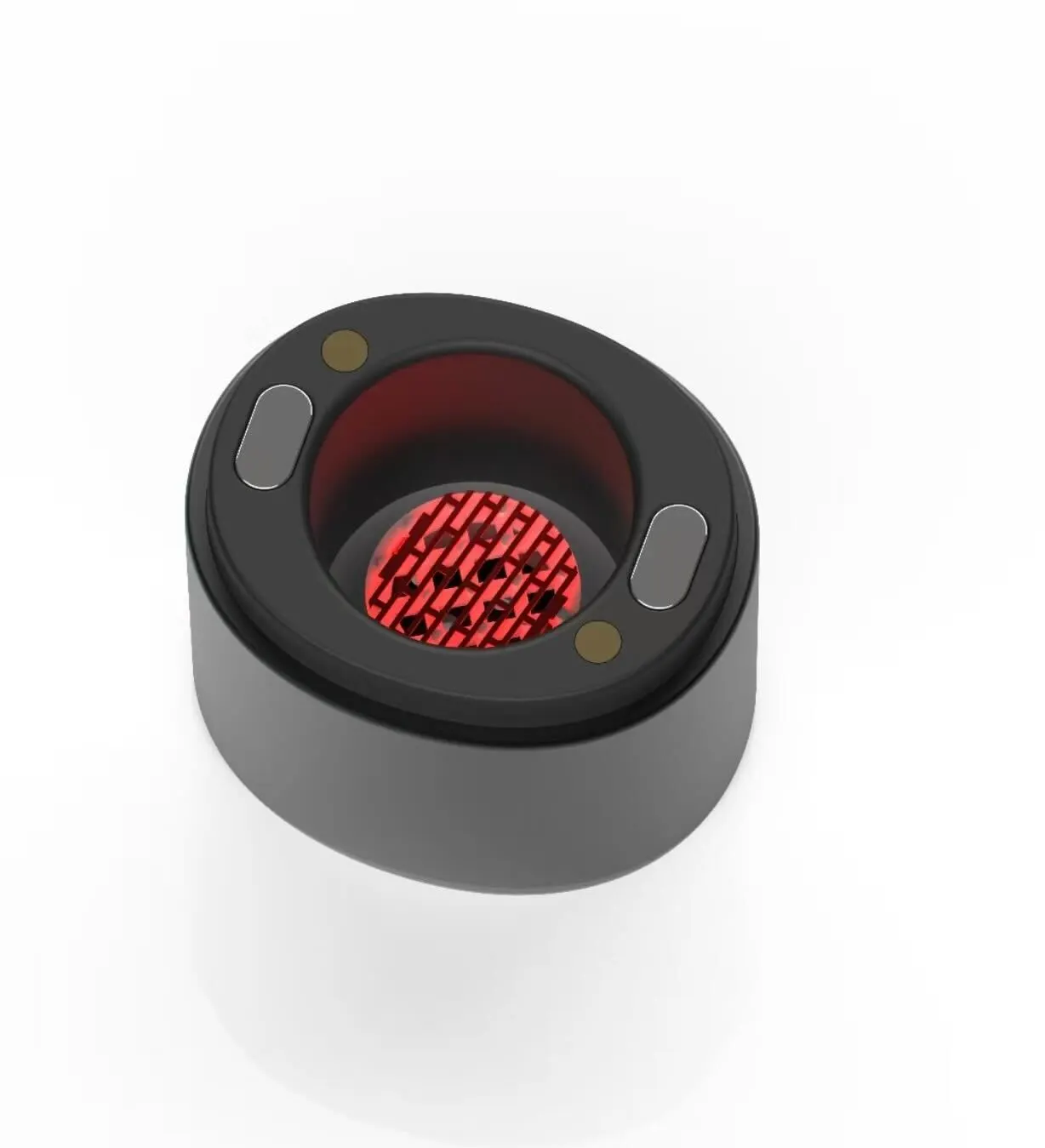
That distinction matters for the "vaping vs combustion" question because it breaks the usual trade-off. A vaporizer gives you no flame but no true combustion (it's vapor, not smoke). A lighter gives you true combustion but needs an open flame — which is exactly why your lighter dies in wind, on the water, or in the cold. Electric combustion gives you the burn and ditches the flame: a glowing electric element brings the bowl past the combustion point directly. The result is true smoke that's windproof, waterproof and flameless — it can't be beaten by wind or water on a boat, on a hike, while camping or skiing. It is not vaping; it is combustion done with electricity instead of fire.
It also keeps one thing a vaporizer gives up: instant light. A dry-herb vaporizer has to warm up to its target temperature before the draw is any good — that's the wait after you switch one on. Electric combustion only has to cross the ignition point, so it lights the moment you press the button, smoke on demand, no warm-up. You get the immediacy of a lighter with none of its weather problems.
Which should you choose?
- Want the classic smoke experience? That's combustion — a joint, a pipe, a bong, or the flameless eBong if you want true combustion that survives wind and water.
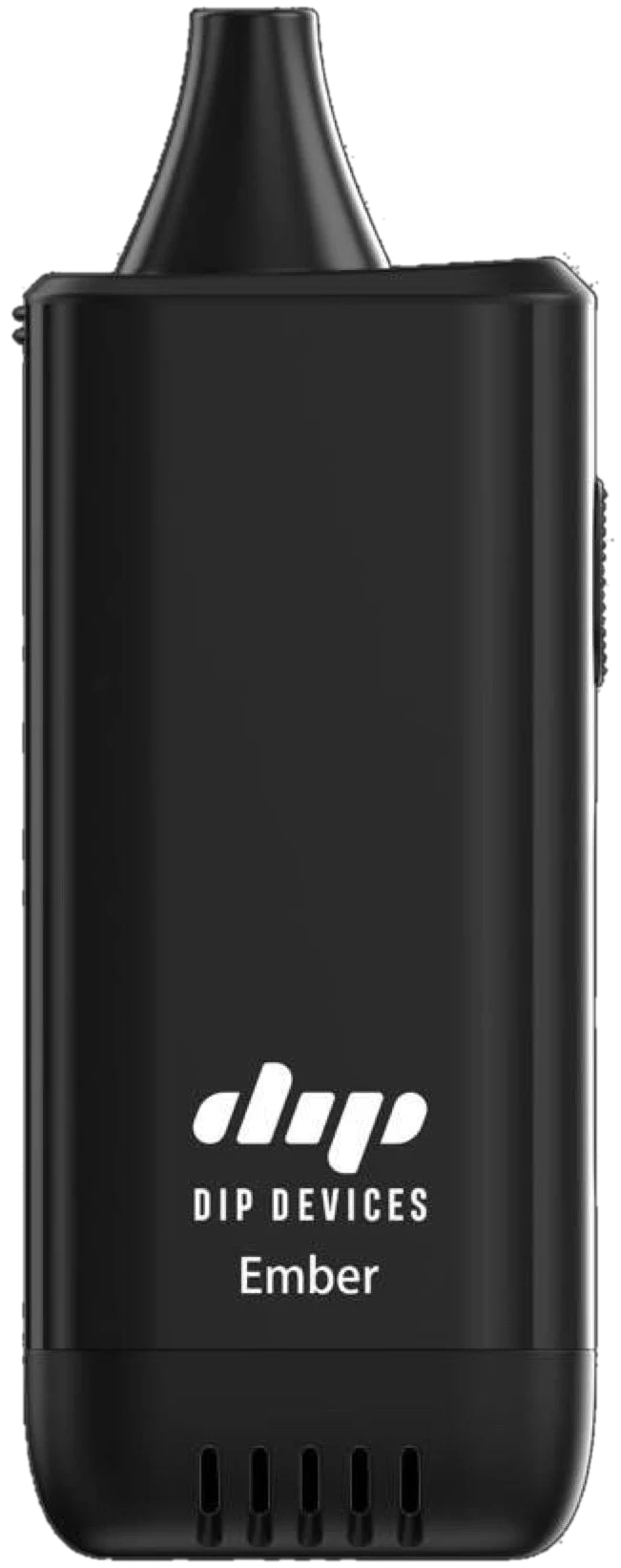
- Want cleaner, terpene-forward, lighter draws? That's vaporization — a dry-herb vaporizer.
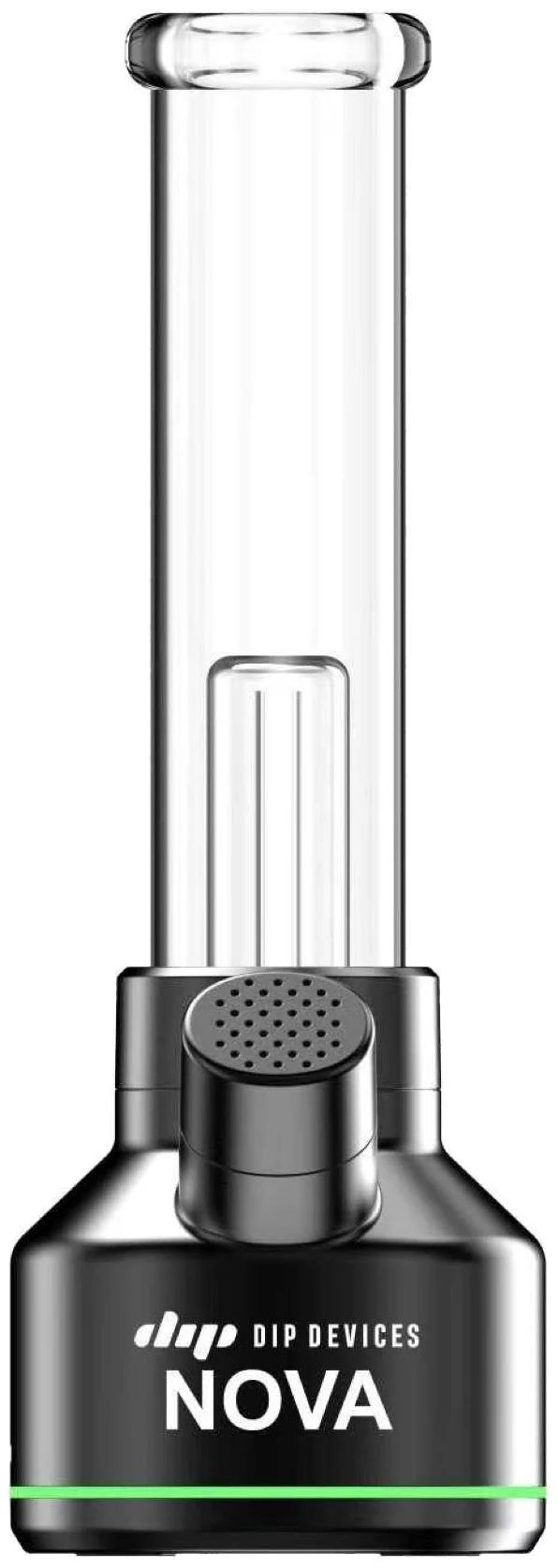
- Using concentrate? That's the vapor side too — an electric dab rig or dab straw vaporizes wax/oil rather than burning flower.
- Care about cost over time? See cost of vaping vs smoking before you decide.
And if the word "vaping" itself is the sticking point, the short answer is on is vaping the same as smoking? — they are related but not identical.
Vaping vs combustion FAQ
Is vaping the same as smoking?
No. Smoking burns material (combustion); vaping heats it below the burn point (vaporization). They produce smoke and vapor respectively, with different chemistry and taste. Full answer here.
Is an electronic bong a vape?
No. An electronic bong (eBong) uses electric combustion — it burns dry herb with an igniter coil instead of a flame. It produces true smoke, not vapor, so it is combustion, not vaping.
Does combustion or vaporization taste better?
It's a preference. Combustion tastes fuller and "toasted"; vaporization tastes cleaner and more terpene-forward. Many people use both depending on the moment.
Is a dab rig vaping or smoking?
Vaping, technically — a dab rig vaporizes concentrate rather than burning flower, even though the hit can feel large. See electric dab rig.
Does an electronic bong need to warm up like a vaporizer?
No. A vaporizer has to reach and hold a set temperature first; an electronic bong uses instant light — the coil crosses the ignition point in seconds, so it lights on demand the moment you press the button, with no warm-up wait.
Curious which device fits how you actually use it? Find the right combustion or concentrate device and where to get one. 21+ only; follow your local laws.