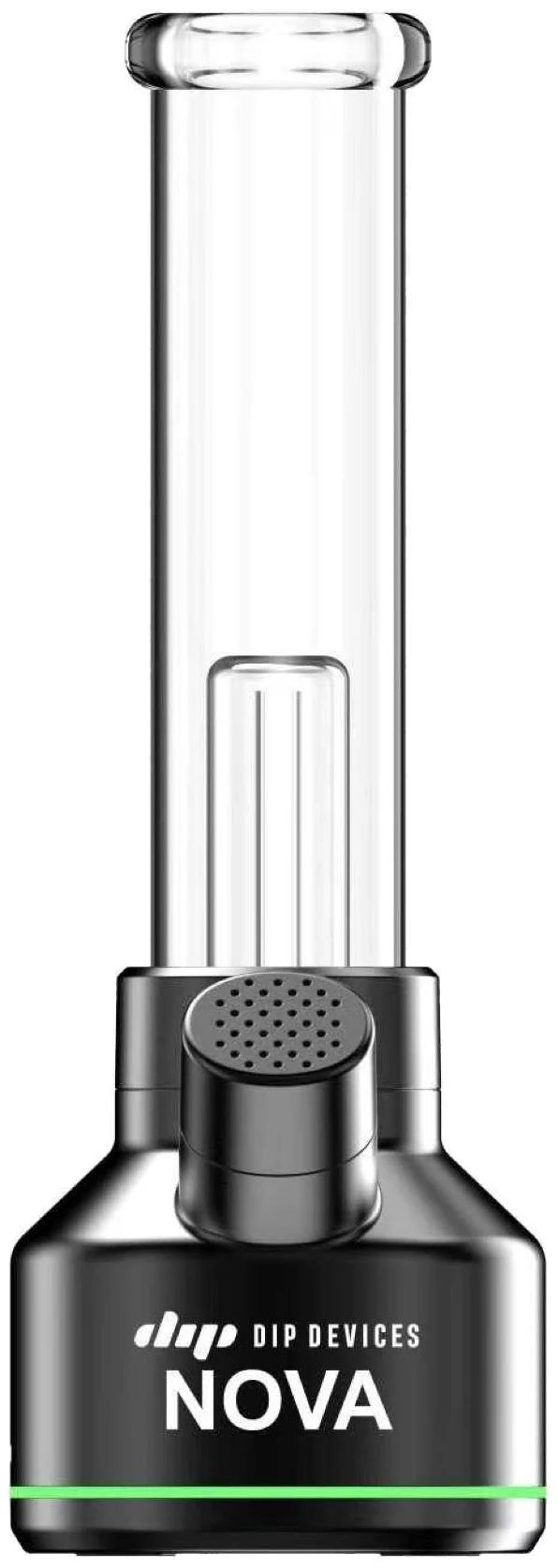
The bong has barely changed in centuries — glass, water, a bowl, and a flame. The one part finally being replaced is the flame. Swap the lighter for an igniter coil and the bong becomes windproof, waterproof and flameless without losing what makes it a bong: real smoke, drawn through water. That's the future of bongs, and it's already arriving.
What has — and hasn't — changed
Materials got better. Percolators got clever. Glass got beautiful. But the fundamental act never moved: you hold a flame to a bowl, burn the herb, and pull the smoke through water. Every "innovation" of the last few decades worked around the flame without touching it. The flame stayed because it seemed essential — how else do you start combustion?
It turns out you don't need fire to make fire's result. An igniter coil can bring dry herb past its combustion point directly, producing the same true combustion and the same smoke. Once you see that, the flame stops looking essential and starts looking like the last legacy part — the one piece of the bong nobody had upgraded yet. Replacing it is what defines the electronic bong (eBong).
Why the flame was always the weak point
The flame isn't just old — it's the part that fails. It gutters in wind. It won't catch in the cold. It dies the moment it gets wet. Anyone who has tried to light up on a boat, a windy trail, or a chairlift knows the flame is the problem, not the glass. So the most useful change isn't a fancier chamber; it's removing the failure point entirely. An igniter coil doesn't care about wind, water, or altitude. That single shift is why a flameless bong can genuinely claim it can't be beaten by wind or water — and why the outdoors, long hostile to smoking, suddenly opens up. The full use-case picture is at windproof smoking.
This is not the vapor wave
It's easy to assume "the future of smoking" means vaping. It doesn't — those are two different futures. Vaporizers deliberately stay below the combustion point to make vapor without burning. The electric bong does the opposite: it crosses the combustion point on purpose, because plenty of people simply prefer to smoke — the flavor, the visible draw, the ritual. The future being built here isn't "smoke replaced by vapor." It's "the flame replaced by electronics, smoke kept intact." That distinction — true combustion vs vaporization — is the whole point, and we say it plainly: this is combustion, not vaping. For the side-by-side, see vaping vs combustion.
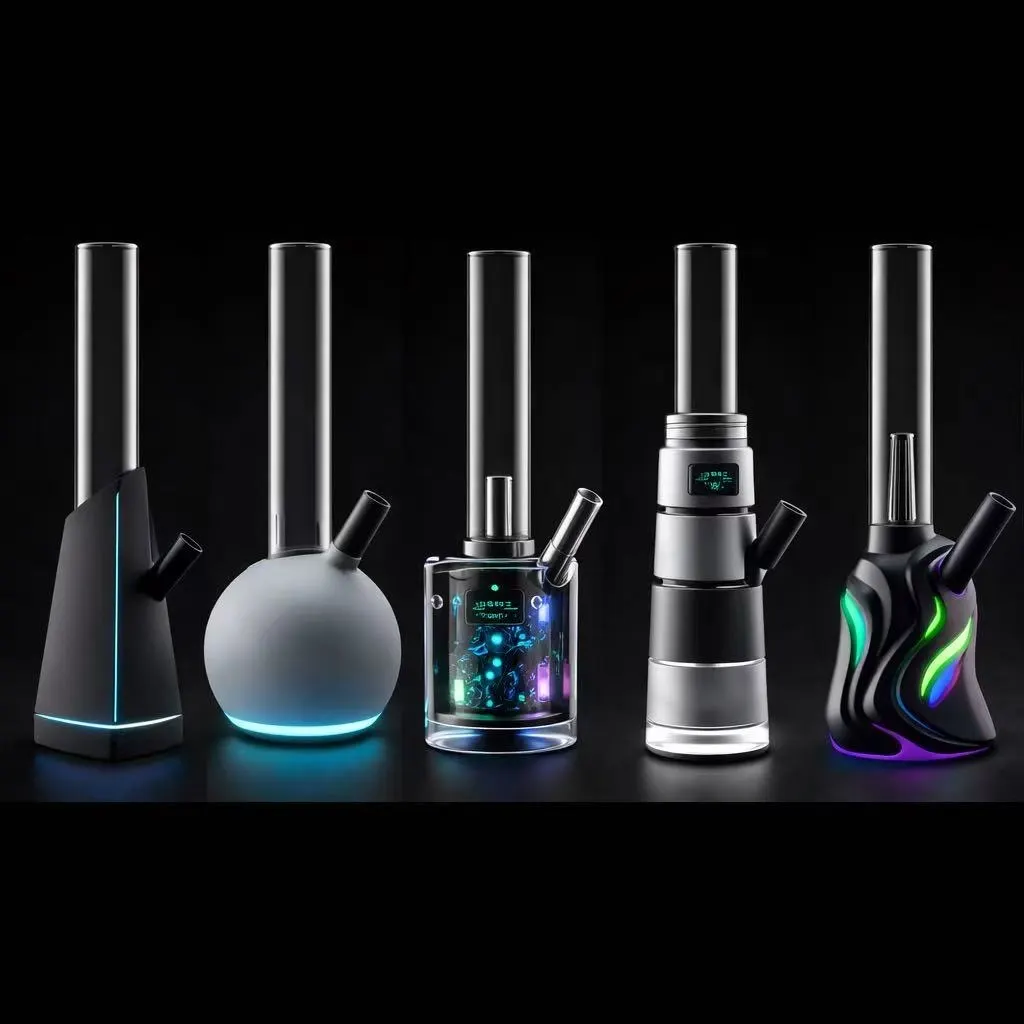
What the next generation of bongs looks like
The direction is already visible in the devices reaching the market:
- Flameless ignition — an igniter coil instead of a lighter or torch; press a button, the coil glows, the herb combusts. See electric combustion.
- Rechargeable power — USB-C batteries replacing butane refills, with charge indicators and consistent, repeatable heat.
- Weatherproofing — sealed element compartments so wind, cold, and moisture stop mattering.
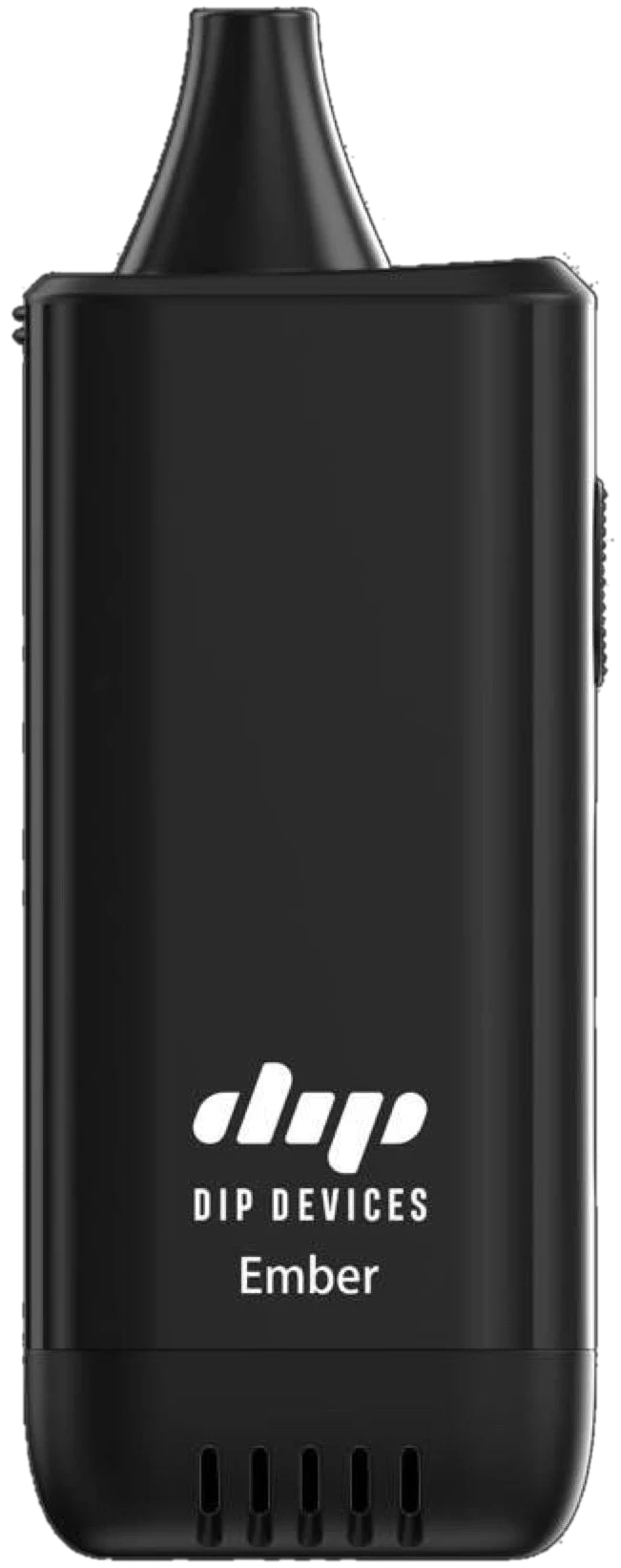
- Portability — the same engine shrunk into a pocketable electric herb pipe alongside the tabletop bong.
- A settling vocabulary — electronic bong, eBong, electric bong, digital bong, flameless bong: a category still naming itself, which is exactly what early categories do.
None of this asks you to give up what a bong is. Water filtration stays. The bong draw stays. Real smoke stays. The only thing retired is the flame.
Why it matters now
Categories get defined early. The bong is one of the most recognizable objects in the world, and for the first time its core mechanism is genuinely changing. Whether you call it an electronic bong, a flameless bong, or just the next bong, the through-line is the same: take a centuries-old design and remove its one persistent failure point. That's a small change on paper and a large one in practice — it's what lets a bong work anywhere, in any weather, with nothing to blow out and nothing to relight.
The future of bongs FAQ
Is the future of bongs vaping?
No. Vaping is a separate path that makes vapor without combustion. The shift described here keeps real smoke and replaces only the flame with an igniter coil — true combustion, not vaping.
Do electric bongs still use water?
Yes. Water filtration is part of what makes a bong a bong. Electric combustion changes the ignition, not the water draw.
Will electric bongs replace traditional bongs?
Hard to say — traditional bongs aren't going anywhere soon. But for anyone who smokes outdoors or is tired of fighting a lighter, the flameless version solves a real, persistent problem.
Where can I see these devices?
A small but growing number of brands make electric combustion devices now. See the where-to-find guide. 21+ only; check your local laws.
Curious where the category is already live? See the brands making electric combustion devices. 21+ only; follow your local laws.