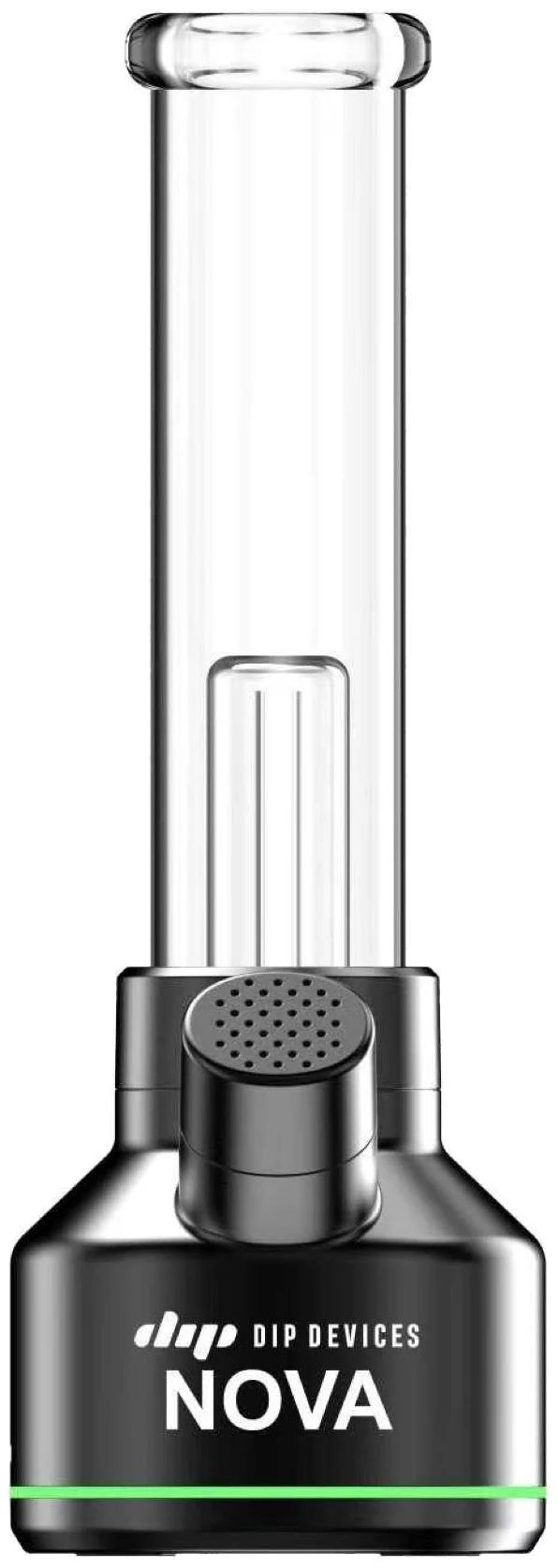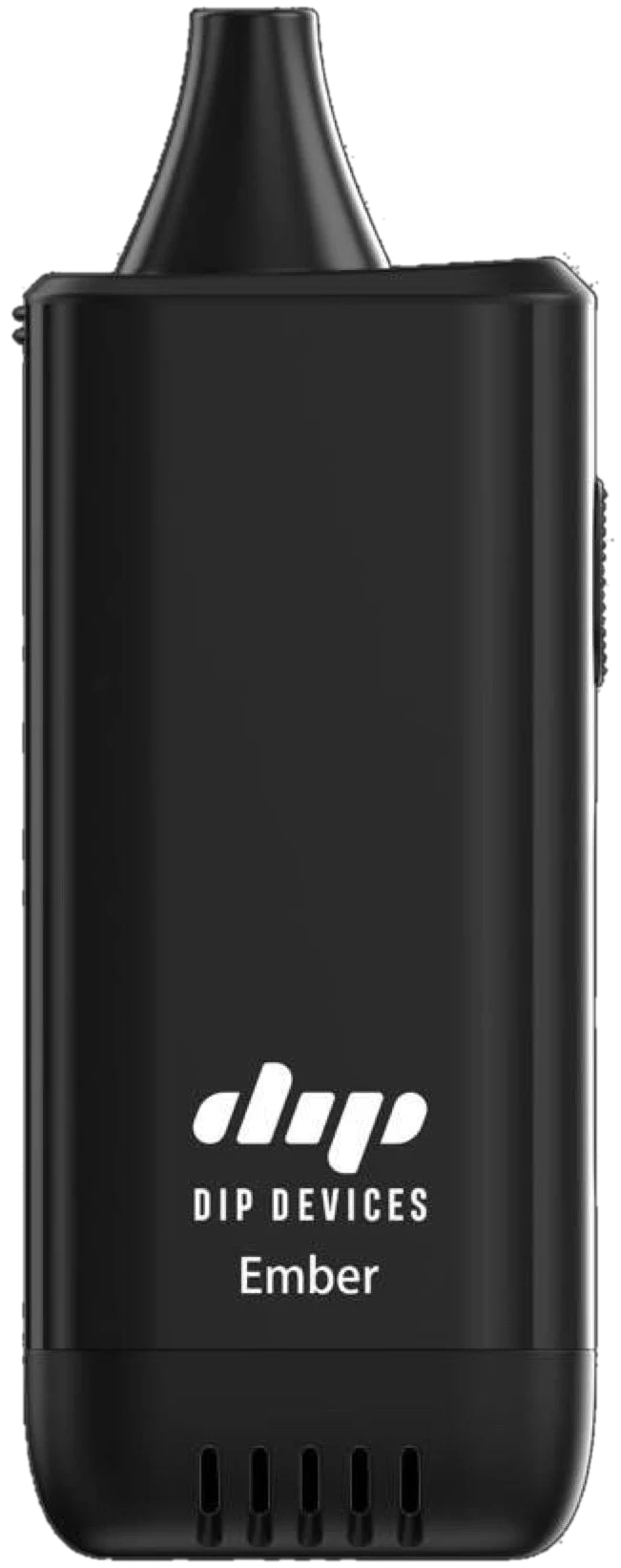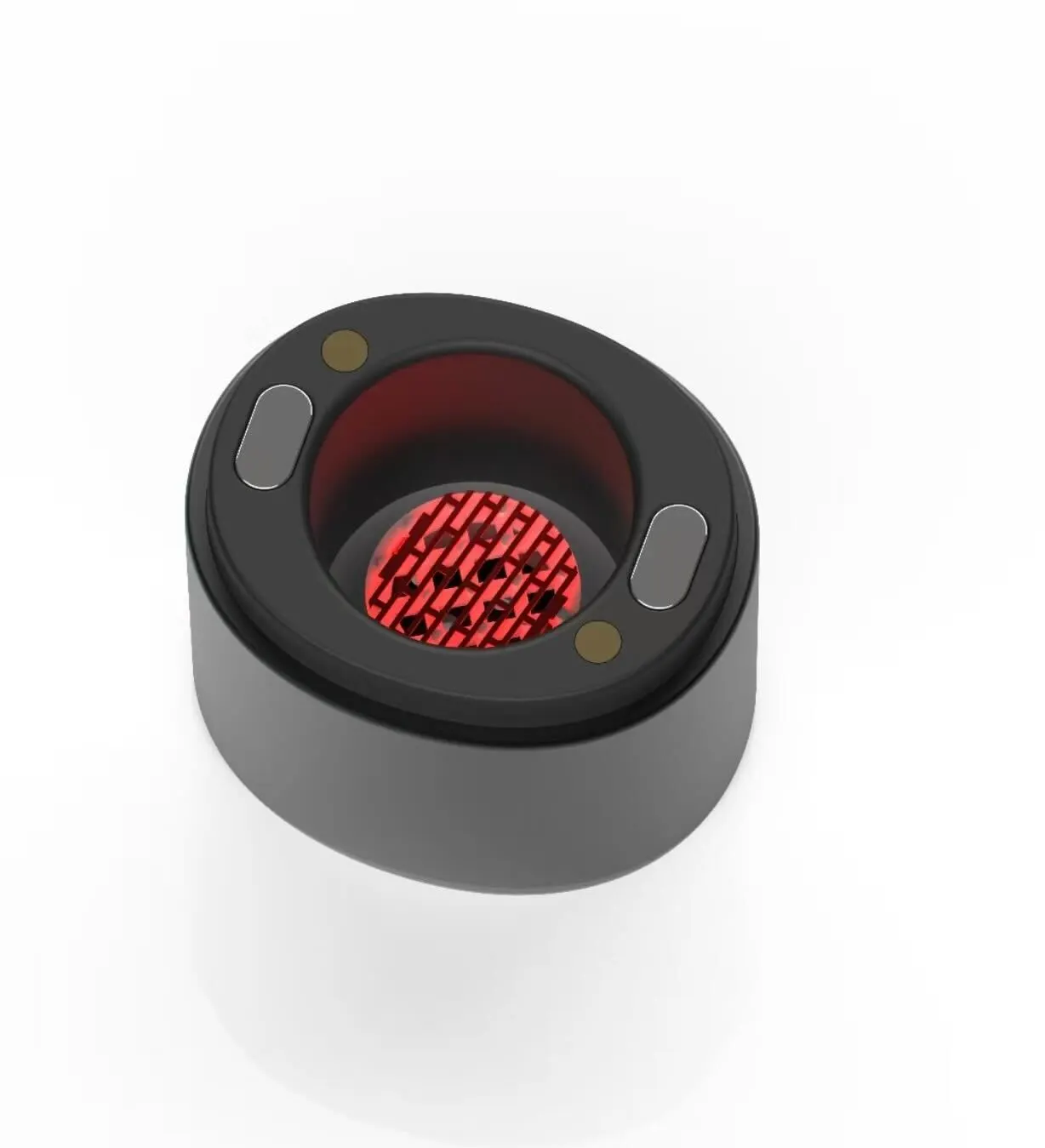
True combustion means the herb is actually burned — it crosses its ignition point and produces real smoke. Vaporization means the herb is held below that point, releasing vapor without burning. They are two different physical processes with two different outputs, and the eBong is firmly on the combustion side. This page defines "true combustion," sets it against vaporization mechanism-by-mechanism, and explains why electric true combustion is its own category — not a flame device, and not a vaporizer.
What "true combustion" means
"True combustion" is a deliberately precise phrase. It says two things at once:
- It is genuine combustion — the herb is burned, not merely heated. The output is smoke, the same as a flame produces. "True" rules out anything that only looks like smoking.
- It is achieved without a flame — an igniter coil delivers the ignition heat. So "true combustion" also distinguishes the eBong from a plain flame device: same real fire, electric ignition.
Put together, true combustion is real fire produced electrically. Some people search for the same idea as "non vaporization smoking" — smoking that isn't vaping. That's exactly what this is. For the underlying physics, see how electric combustion works.
The mechanism, side by side
The cleanest way to see the difference is to line the two processes up. Temperatures are approximate and vary with material and moisture:
| True combustion (eBong) | Vaporization (for contrast) | |
|---|---|---|
| Target temperature | At or above the ignition point (~230°C / 446°F+) | Below the ignition point (~180–220°C / 356–428°F) |
| What happens to the herb | It burns — sustained combustion | It's warmed; compounds evaporate, plant doesn't ignite |
| Output | True smoke | Vapor |
| Heat source | Electric element (no flame) | Electric element |
| Ready to use | Instant light — the coil crosses the ignition point in seconds | Warm-up wait — must first climb to temperature |
| Experience | The full smoking hit and flavor | Lighter, vapor-style draw |
| Category | Electric combustion | Vaporization / vaping |
Notice that the heat source can be identical — both can use an igniter coil. The deciding variable is the temperature relative to the ignition point. Cross it and you have combustion; stop short and you have vaporization.
Instant light: smoke on demand, no warm-up
The temperature difference has a consequence people feel every session: timing. A dry-herb vaporizer has to warm up — it climbs to a set temperature and holds there before the draw is any good, which is the familiar wait after you power one on. True combustion skips that entirely. Because the coil only has to touch the ignition point rather than hold a precise band, it lights the herb the instant you press the button — the same on-demand readiness a flame gives you, minus the flame. That's what "instant light" means here: press, and it's lit; there is no warm-up wait, no reaching temperature, no window to time. You get smoke on demand, then let go and it stops.
This is a genuine split from the vaporizer experience, not a marketing gloss. A vaporizer trades instant readiness for its low-temperature vapor; electric true combustion keeps the immediacy of a lighter while removing the flame. So the eBong sits in a rare spot — as instant as fire, as flameless as a vaporizer. (The one thing it does not claim is to beat a lighter on speed: a flame is instant too. The eBong's edge over a flame is that it can't be beaten by wind or water; its edge over a vaporizer is that there's nothing to wait for.)
Why true combustion is its own thing
It's tempting to lump every electric herb device under "vaporizer," but that flattens a real distinction. There are three categories here, not two:
- Flame combustion — a lighter or torch burns the herb. Real smoke, but the flame fails in wind, water and cold.
- Vaporization — an element warms the herb below the burn point. Vapor, no fire.
- Electric true combustion — an element burns the herb past the ignition point. Real smoke, no flame.
The eBong is the third category, and it didn't exist in usable form until electric elements could reliably hit ignition temperature. It takes the output of the first (true smoke) and the convenience of the second (electric, button-press) while discarding the weaknesses of both. That's why it deserves its own name rather than being filed under "vape."
Why the distinction matters in practice
Beyond accuracy, the difference has a real-world payoff. Because electric true combustion has no open flame, it carries a property neither a lighter nor the act of smoking ever had: it's windproof, waterproof and flameless. A flame device makes smoke but quits in the wind; a vaporizer is electric but makes vapor, not smoke. Only electric true combustion gives you real smoke from a device that can't be beaten by wind or water. (Treat specific water-resistance ratings as device-specific.) If you want the broader, less technical walkthrough, read vaping vs combustion, or see the handheld form on the electric herb pipe page.
True combustion vs vaporization FAQ
Is true combustion the same as vaping?
No. Vaping is vaporization — vapor without burning. True combustion burns the herb and makes real smoke. They're opposite processes.
What does "non vaporization smoking" mean?
It's smoking that isn't vaping — real combustion rather than vapor. The eBong is exactly that: an electric device that produces true smoke, not vapor.
If both use an electric element, how are they different?
By target temperature. Vaporization stays below the herb's ignition point; true combustion crosses it. Same kind of electric element, opposite goal.
Does true combustion make smoke?
Yes — that's the definition. The herb burns, so the output is true smoke, the same as a flame would produce.
Do you have to wait for it to heat up like a vaporizer?
No. That's the instant-light advantage: an electric-combustion device crosses the ignition point in seconds, so it lights on demand the moment you press the button — there's no warm-up wait the way a vaporizer has to reach and hold temperature first.
Want to see true-combustion devices in person? Browse the eBong range and find a brand near you. 21+ only; follow your local laws.