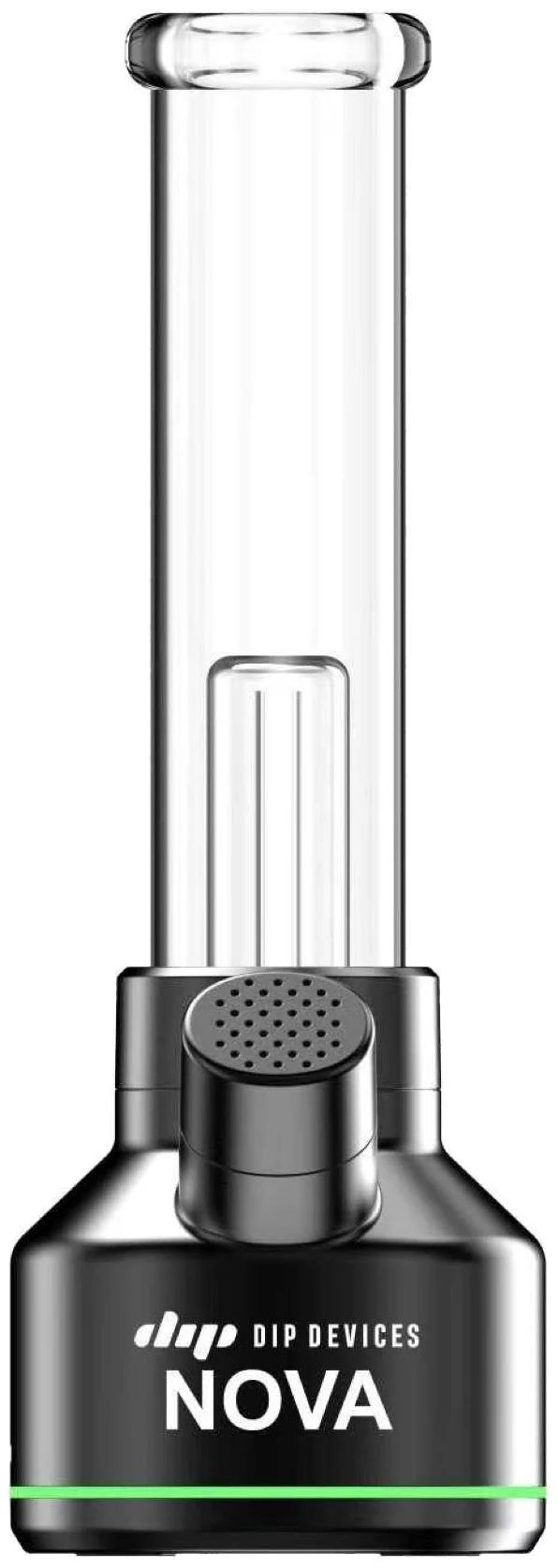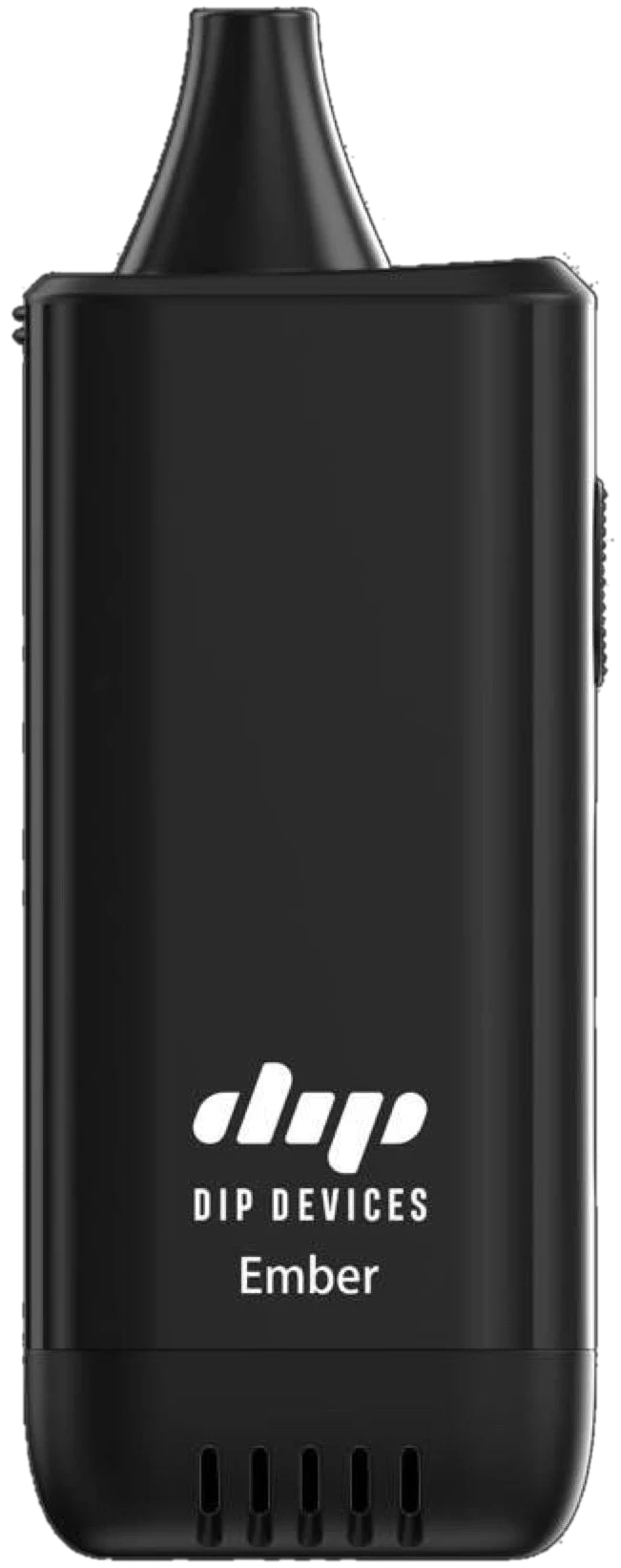
Electric combustion is the use of an igniter coil to burn dry herb past its ignition point, producing true smoke without an open flame. Sometimes called electronic combustion or instant combustion, it's the core technology behind every eBong — the electronic bong and the handheld electric herb pipe alike. The coil does exactly what a lighter's flame does (deliver enough heat to ignite the material), but as a controlled electrical heat source rather than a burning gas. This page explains the actual mechanism: how heat without a flame still produces real fire, the temperatures involved, and why this is combustion, not vaporization.
What "combustion" requires
Combustion — fire — needs three things at once, the classic fire triangle: fuel, oxygen, and heat above the material's ignition temperature. Dry herb is the fuel; the air you draw supplies oxygen; the only question is where the heat comes from. A flame is one way to deliver that heat. It is not the only way. An igniter coil is another — and it satisfies the triangle just as well.
This is the key insight the category is built on: the flame is a delivery method, not the fire itself. Replace the flame with an element hot enough to cross the herb's ignition point, keep the fuel and the oxygen, and you still get genuine combustion. Remove the flame and you lose nothing about the fire — you only lose the flame's weaknesses.
How an igniter coil combusts herb without a flame
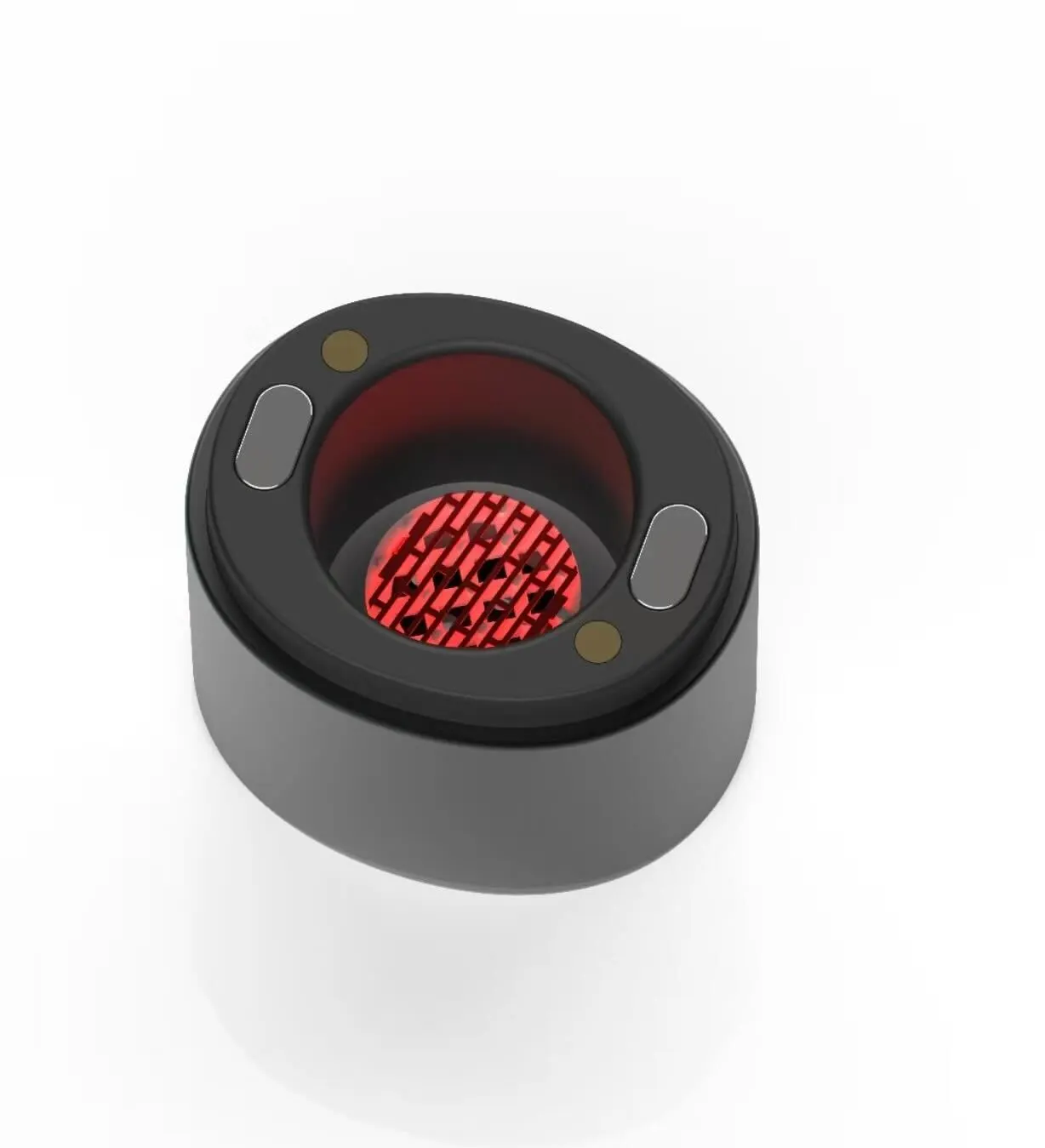
An eBong's igniter coil works by resistive heating: run current through a high-resistance coil or mesh and it converts that electrical energy directly into heat. Press the button and the coil climbs to glowing temperature in seconds — the red-hot glow you can see in the bowl is the coil radiating and conducting heat into the packed herb.
- Current heats the coil. Electrical resistance turns battery power into intense, localized heat.
- The coil crosses the ignition point. Pressed against or surrounding the herb, it pushes the material past its combustion temperature.
- Airflow sustains the burn. As you draw, incoming air feeds oxygen to the now-burning herb, and combustion continues on its own across the bowl — exactly as it would under a flame.
- True smoke is produced. The output is real smoke. On a tabletop eBong it then passes through water filtration; on a handheld it travels a short dry cooling path.
An exploded view of a handheld device shows the parts plainly: the mouthpiece and bowl on top, the igniter coil and its electrical contacts (pogo pins / magnetic ring) below. The coil is simply the flame's replacement, wired into a battery.
The igniter coil: the part that replaces the flame
The component that does all of this has a name: the igniter coil. It's the electric heating element at the bottom of the bowl — a resistive coil or mesh, wired to the battery through a pair of contacts, that glows to ignition temperature when you press the button. Everything else on an eBong is familiar water-pipe hardware; the igniter coil is the one part that makes it an electric combustion device rather than a bong with a battery bolted on.
Three things are worth knowing about it:
- It's an igniter, not a heater. A vaporizer's element is engineered to hold a temperature below the burn point. An igniter coil is engineered to cross it — the whole design goal is ignition, which is why the category doesn't borrow the vaporizer's vocabulary for it.
- It's the wear part. Like a lighter's flint or a stove's element, an igniter coil cycles through heat and cool hundreds or thousands of times, and residue builds on it with use. Wiping it clean keeps ignition even; when it eventually slows down or lights unevenly, it's designed to be swapped rather than the device replaced. On the first devices the tabletop and handheld igniter coils are sold as drop-in replacement parts.
- It's sealed and shielded. The coil sits inside the device body, so wind, spray and cold — which act on an exposed flame — don't reach it. That is the mechanical reason the eBong is windproof and waterproof, not a marketing claim layered on top.
Temperatures: vaporization band vs. combustion threshold
The single number that defines this technology is the temperature it targets. A vaporizer aims to stay under the burn point; electric combustion aims to go over it. Approximate ranges (these vary by material and moisture, so treat them as a map, not a spec sheet):
| Process | Approx. temperature | Output |
|---|---|---|
| Dry-herb vaporization (for contrast) | ~180–220°C / 356–428°F | Vapor — no fire |
| Ignition / combustion threshold | ~230°C / 446°F and above | The herb begins to burn |
| Electric combustion (eBong) | At or above the ignition threshold | True smoke — sustained combustion |
That gap is the whole distinction. Heat that stops in the vaporization band makes vapor; heat that crosses the ignition threshold makes fire. The eBong is engineered to cross it deliberately. For the conceptual comparison, see true combustion vs vaporization.
Electric combustion vs. how a vaporizer heats
Both devices use an electric element, which is why they're so often confused. The difference is the target temperature and the intent, not the power source. A dry-herb vaporizer holds its element at a temperature designed to avoid ignition — it warms the herb to evaporate active compounds while leaving the plant material unburned. Electric combustion pushes past that ceiling on purpose. Same kind of electric element, opposite goal. This is why we never call an eBong a vaporizer: it isn't one, it just shares the electrical heating concept. The full education piece is vaping vs combustion.
That difference in target temperature is also why electric combustion is sometimes called instant light. A vaporizer has to warm up — reach and hold its precise band before the draw is any good, which is the wait after you power one on. Electric combustion only has to touch the ignition point, so it lights on demand the moment you press the button: no warm-up, no reaching temperature, just smoke when you want it. It keeps the immediacy of a flame while dropping the flame — instant like a lighter, flameless like a vaporizer.
Why removing the flame makes it windproof and waterproof
Go back to the fire triangle. A flame is fragile because it's its own little combustion event exposed to the open air — wind disrupts it, water smothers it, cold thins the fuel. An igniter coil is none of those things. It's a sealed, powered heat source that doesn't depend on a delicate exposed flame to exist. Take the flame out of the triangle and replace it with an element, and the device gains a property a lighter can never have: it can't be beaten by wind or water. Windproof, waterproof, flameless — not as marketing, but as a direct consequence of how the heat is made. (Specific water-resistance ratings are device-dependent; check the model.)
Electric combustion FAQ
Is electric combustion the same as vaping?
No. Vaping (vaporization) keeps the herb below its ignition point to make vapor. Electric combustion crosses the ignition point to make true smoke. Same kind of element, opposite target temperature.
How can it burn without a flame?
A flame is just one way to deliver ignition heat. An igniter coil delivers the same heat through electrical resistance, satisfying the fuel-oxygen-heat requirements of combustion without an open flame.
Does electric combustion make smoke or vapor?
Smoke. Because the herb crosses its ignition point and actually burns, the output is true smoke — the same thing a flame produces.
Why does removing the flame matter?
A flame fails in wind, water and cold; an igniter coil doesn't. Removing the flame is what makes the device windproof, waterproof and flameless.
What is an igniter coil?
The igniter coil is the electric heating element in an electronic bong or electric herb pipe — the coil or mesh under the bowl that glows to ignition temperature at the press of a button and replaces the flame. It's the category's wear part and, on the first devices, a drop-in replacement.
Is an igniter coil the same as a vaporizer's heating element?
Same physics, opposite purpose. Both are resistive heaters powered by a battery, but a vaporizer's element is designed to stay below the burn point and an igniter coil is designed to cross it. One makes vapor; the other starts a fire.
Want to see electric combustion devices in person? Browse the eBong range and find a brand near you. 21+ only; follow your local laws.