This is the full electric combustion glossary — every term in the electronic bong category, defined plainly and linked to its page. The category is new enough that the same idea goes by several names, and a few words (like "vape") get misapplied to it constantly. Use this page to get the language right: what an eBong is, how true combustion differs from vaporization, and which terms belong to dry-herb devices versus concentrate devices. Terms are grouped by theme; each links to a fuller explanation.
The category and its core terms
- eburn
- The category keyword for this emerging product space — electric combustion devices for dry herb. eburn is a category term, not a brand.
- electronic bong
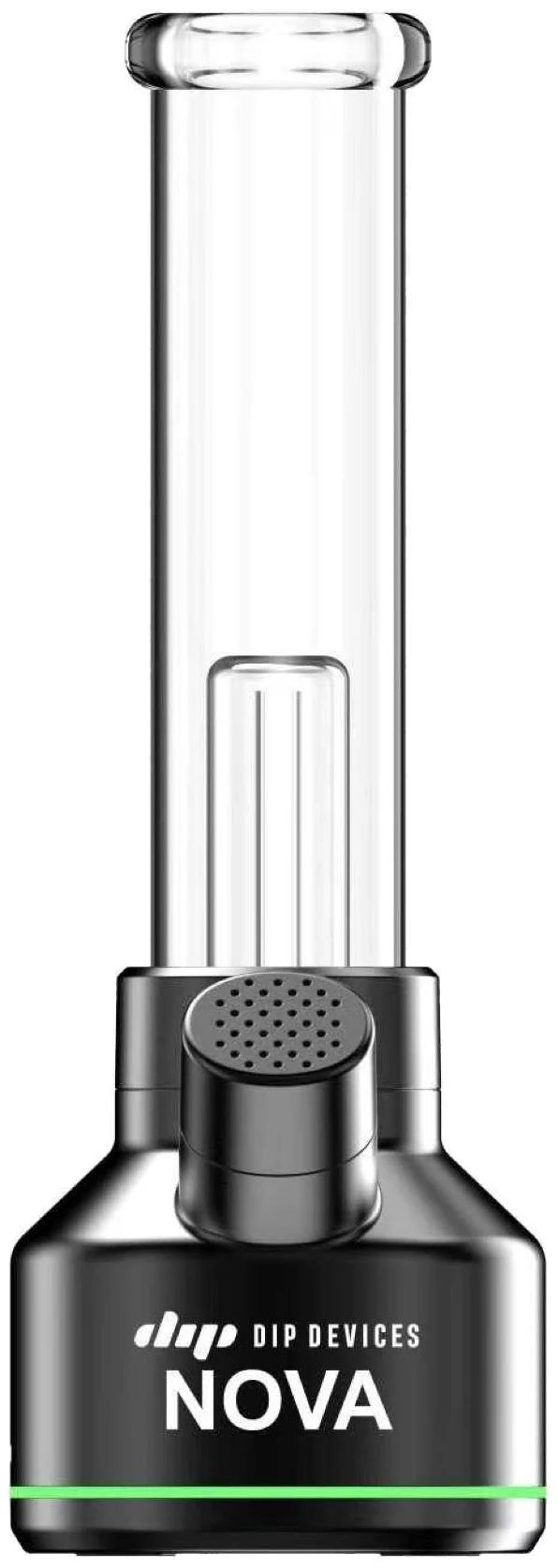
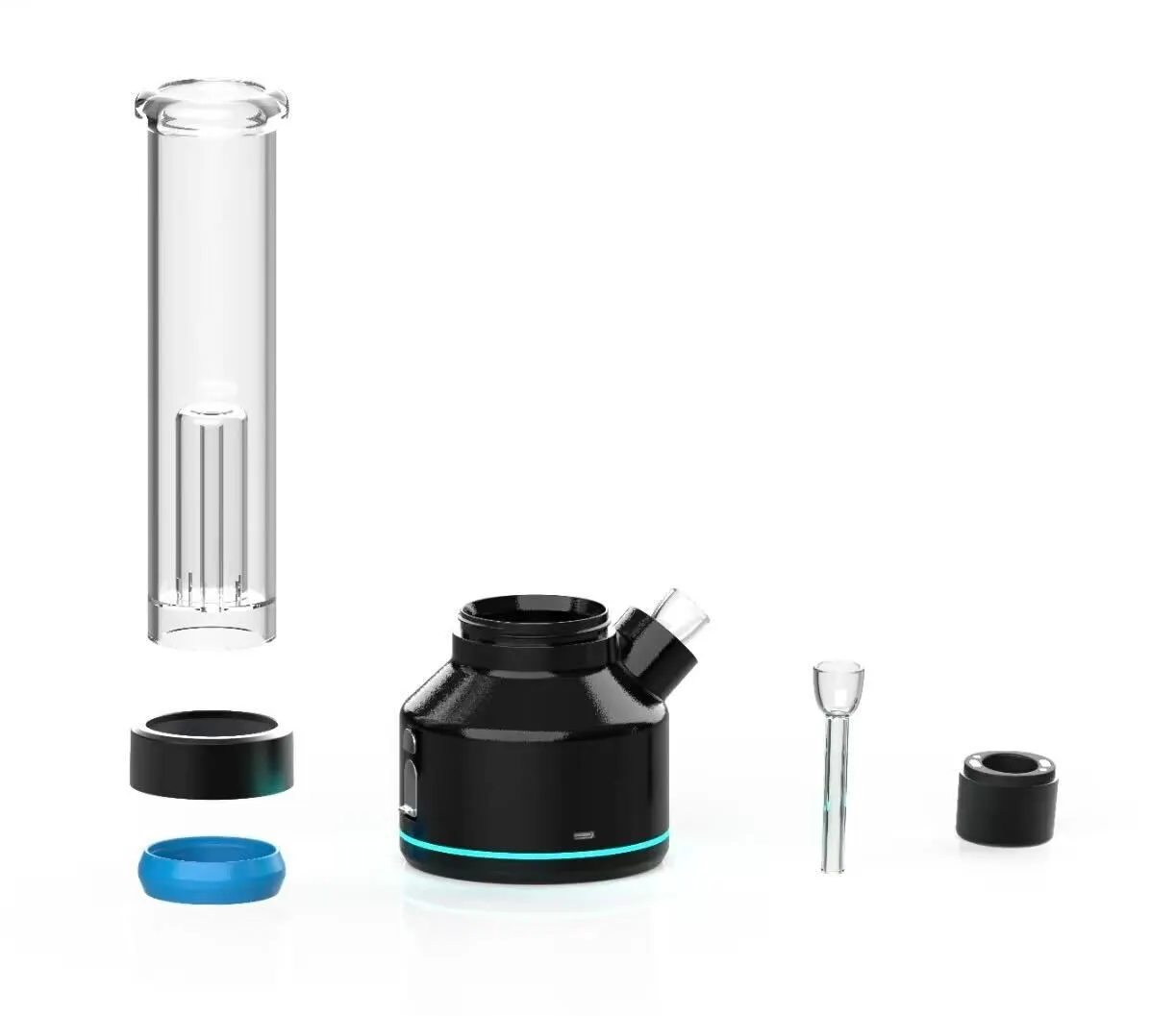
- A water pipe that burns dry herb with an igniter coil instead of a flame, producing true smoke filtered through water. The lead term for the category. See electronic bong.
- electronic smoking device
- The umbrella term for the whole class — any device that uses an igniter coil instead of a flame to combust dry herb. The electronic bong is its flagship form; the electric herb pipe and electric bubbler belong to it too. A category descriptor, not a brand. See electronic smoking device.
- electronic smoker / electronic flower smoker
- Synonyms for an electronic smoking device, emphasizing that the material is dry cannabis flower, combusted (not concentrate, and not vaporized). Same device family as the eBong.
- eBong
- The short, spoken name for the electronic bong — "e" for electric, "bong" for the water-pipe draw. Also a category term, never a brand; it spans both tabletop and handheld bodies. See eBong.
- electric bong
- A synonym for electronic bong / eBong. Same device: electric ignition, water filtration, true smoke.
- electronic water pipe / electric water pipe
- The formal, retail name for an electric bong — a water pipe with electric ignition. "Water pipe" is the shelf term; "bong" is the casual one. Not to be confused with an e-cigarette "water pipe" (which makes vapor). See electronic water pipe.
- electric flower bong
- An electronic bong named for its material — dry cannabis flower. It combusts flower (not concentrate, and not below the burn point like a vaporizer). See electric flower bong.
- digital bong / smart bong
- Names that emphasize the electronic, button-controlled ignition of an eBong. "Digital" refers to electronic heat control and charging, not necessarily a screen. See digital bong.
- flameless bong / torchless bong
- An eBong named for what's gone — the lighter or torch. Electric ignition means no open flame, so it's windproof and waterproof by design. See flameless bong.
- electric combustion
- The core technology of the category: using an igniter coil to burn dry herb past its ignition point, with no open flame. See electric combustion.
- true combustion
- Genuine burning of the herb — real fire producing real smoke — achieved electrically rather than with a flame. The phrase distinguishes the eBong from both flame devices and vaporizers. See true combustion vs vaporization.
- "true combustion, not vaping"
- The category's defining line. An eBong combusts dry herb to make smoke; it does not vaporize and it is not a vape. See vaping vs combustion.
Device types (dry herb — the eBong family)
- electric herb pipe
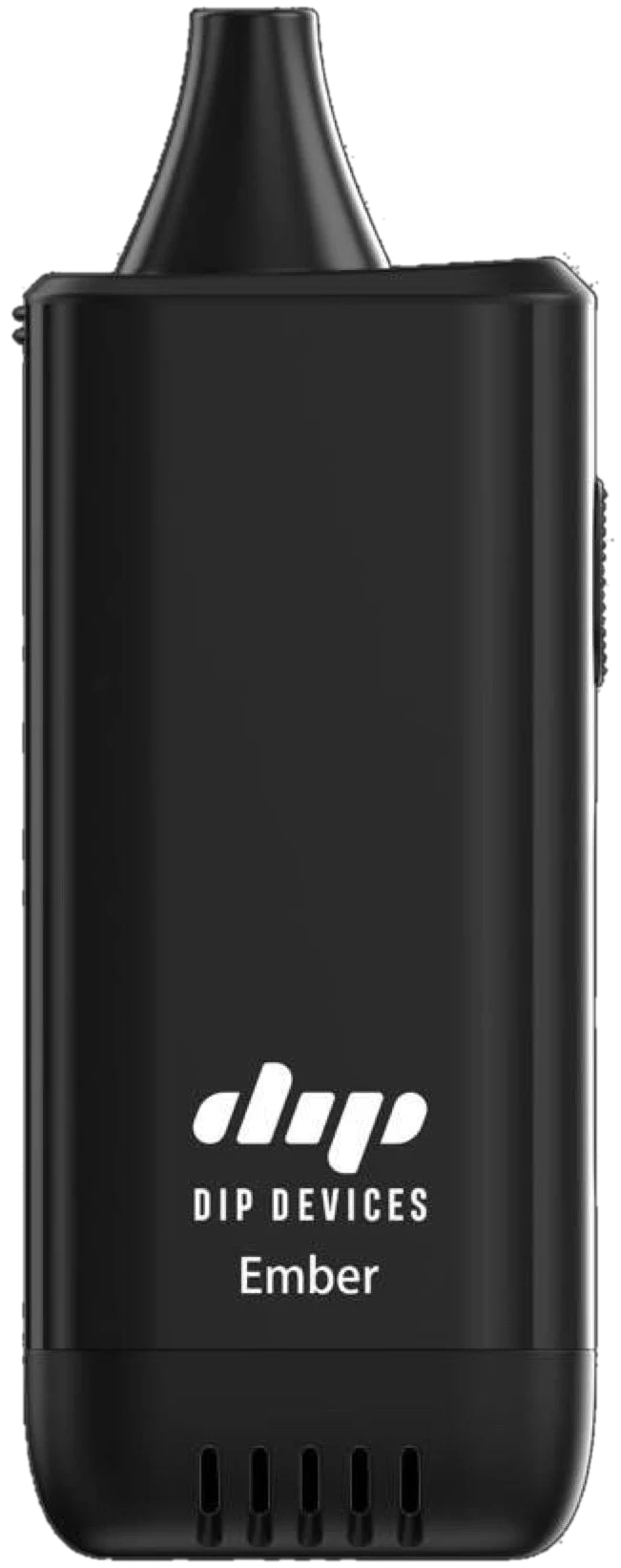
- The handheld, pocketable form of electric combustion — same flameless burn as the eBong, no water chamber. See electric herb pipe.
- electric pipe
- Shorthand for an electric combustion pipe — the dry-herb device above. Not a "vape pipe" and not electrical conduit. See electric pipe.
- electric weed pipe
- A synonym for electric herb pipe, naming the material explicitly.
- ePipe
- The product noun for the handheld electric combustion pipe — "e" for electric, written camelCase.
- eBowl
- The electric heating bowl/chamber where combustion happens — the part that replaces the flame-lit bowl. Written camelCase as a product noun.
- electric bowl / electronic bowl
- Generic terms for the eBowl: the powered bowl that combusts the herb with an element.
- weed bubbler
- A handheld water pipe — smaller than a bong, smoother than a dry pipe. An electric bubbler adds an igniter coil so it's flameless. See weed bubbler.
- flameless pipe / rechargeable pipe / battery-powered pipe
- Descriptive names for the electric herb pipe, each emphasizing one trait: no flame, rechargeable, battery-powered.
How it works (mechanism terms)
- igniter coil (also: electric heating element)
- The part that replaces the flame: a coil or mesh that converts battery power into heat through electrical resistance, glowing hot enough to ignite dry herb. Every electronic bong and electric herb pipe has one, and on the first devices it is a drop-in replacement part. "Heating element" describes the same component generically; igniter coil is its name, and it is only ever used for combustion devices — a vaporizer's element is built to stay below ignition. See how the igniter coil works.
- Igniting dry herb with the press of a button instead of a flame. The defining interaction of an electronic smoking device: press, the coil heats the bowl past the burn point, the herb combusts. A "push-button bong" is an eBong lit this way. See push-button smoking.
- instant combustion / electronic combustion
- Synonyms for electric combustion — the coil reaches ignition temperature in seconds and crosses the burn point on demand. "Electronic combustion" names the power source; "instant" names the speed. See electric combustion.
- instant light / instant-light technology
- The speed benefit of electric combustion: because the coil only has to cross the ignition point, the herb lights the moment you press the button — smoke on demand, with no warm-up wait the way a vaporizer must reach and hold temperature first. (It's as instant as a flame, not faster than one; the eBong's edge over a lighter is being windproof and flameless.) See true combustion vs vaporization.
- ignition / combustion point
- The temperature at which dry herb begins to burn (roughly ~230°C / 446°F+). Electric combustion crosses it; vaporization stays below it.
- vaporization
- For contrast. Heating herb below the ignition point to release vapor without burning. This is what a vaporizer does — and what an eBong deliberately does not do.
- water filtration
- Drawing smoke through a water chamber to cool and filter it — the classic bong mechanism, retained in the tabletop eBong.
- windproof / waterproof / flameless
- The eBong's practical advantages, all consequences of having no open flame: nothing for wind to blow out, nothing for water to extinguish, no flame at all. (Specific water-resistance ratings are device-dependent.)
- "can't be beaten by wind or water"
- The category's master hook — a plain statement of the windproof/waterproof/flameless mechanism, the reason electric combustion travels to the boat, trail, campsite and slopes.
Concentrate terms (a different category — honestly noted)
These devices are covered because this hub is a neutral category aggregator, but they are not electric combustion and not "true combustion." They heat concentrate to make vapor — closer to vaporization than to what an eBong does. For concentrate, see the electric dab rig hub.
- electric dab rig (e-rig)
- A device that electrically heats cannabis concentrate to produce vapor. It vaporizes concentrate; it does not combust dry herb. See electric dab rig.
- electric dab
- The act of consuming concentrate via an electrically heated rig — vapor, not combustion smoke.
- electric nectar collector / dab straw
- A straw-style device whose heated tip vaporizes concentrate on contact. Again, vaporization of concentrate — not true combustion of herb.
- electric dab pen
- A pen-form vaporizer for concentrate. Distinct from the dry-herb eBong family.
The one rule to remember
If a device burns dry herb with an igniter coil to make smoke, it's electric combustion — the eBong family (eBong, electric herb pipe, electric pipe, electric bubbler). If a device heats below the burn point to make vapor, it's vaporization — whether for herb (a vaporizer) or concentrate (a dab rig). The eBong is firmly the first kind: true combustion, not vaping.
Now that the terms are clear, browse the electric combustion range and find a brand near you. 21+ only; follow your local laws.