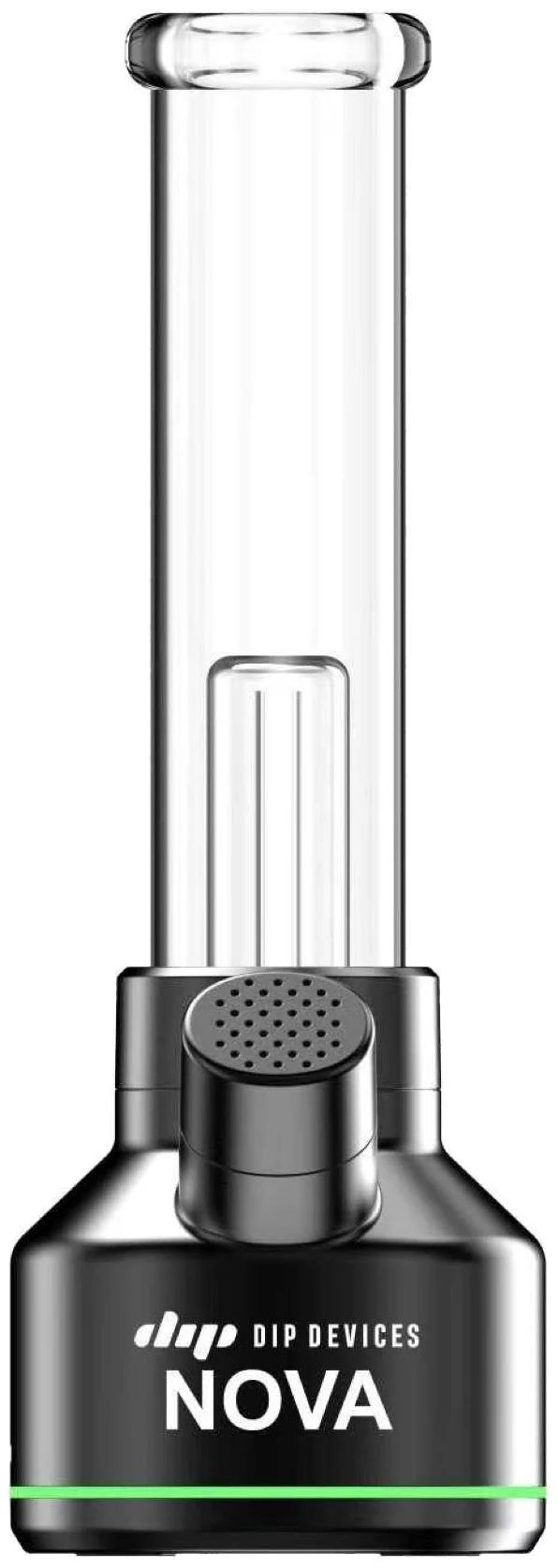
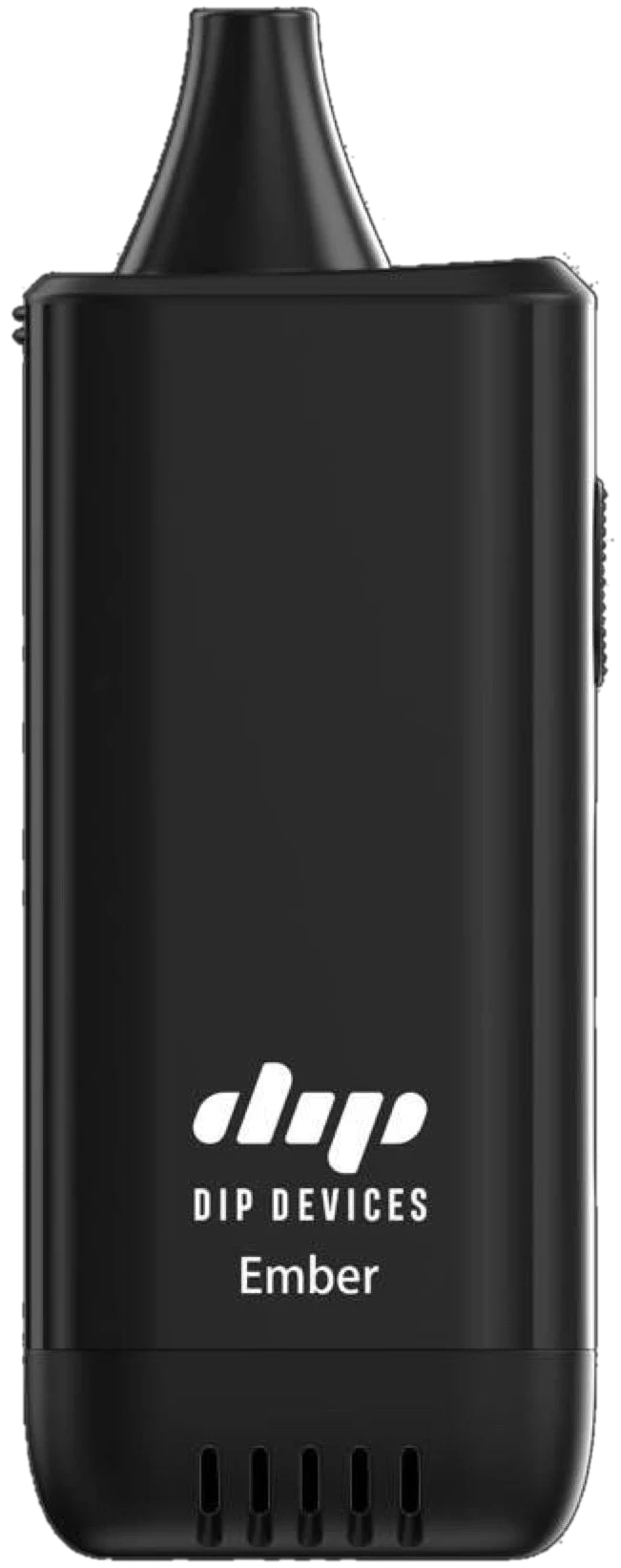
A weed bubbler is a handheld water pipe — bigger and smoother than a dry pipe, smaller and more portable than a full bong. It pulls smoke through a small water chamber to cool and filter it, giving you a bong-like draw in something that fits in one hand. This page explains what a bubbler is, how it compares to a bong and a dry pipe, and the newer angle worth knowing: the electric, flameless bubbler that lights with a button instead of a lighter.
What a weed bubbler is
A bubbler is a hybrid. It takes the compact, handheld shape of a spoon pipe and adds a small water reservoir, so the smoke bubbles through water before it reaches you — that's where the name comes from. The water does the same job it does in a bong: it cools the smoke and filters out some particulates, making for a smoother hit than a dry pipe. Most bubblers have a bowl, a carb hole, a body that holds water, and a mouthpiece, all in one piece of glass.
In short, a bubbler sits between two familiar tools. It's more portable than a bong and smoother than a pipe — a middle ground for people who want filtration without hauling a tall water pipe around.
Bubbler vs bong vs dry pipe
| Weed bubbler | Bong | Dry pipe | |
|---|---|---|---|
| Water filtration | Yes — small chamber | Yes — large chamber | No |
| Size / portability | Handheld, portable | Larger, stays home | Most portable |
| Smoothness | Smooth | Smoothest | Harshest |
| Typical ignition | Lighter (flame) | Lighter (flame) | Lighter (flame) |
| Best for | Filtered hits on the go | The biggest, coolest hits at home | Quick, minimal sessions |
The thing all three share in the standard versions is a flame — and that's the limitation the eBong category is built to remove.
The electric, flameless bubbler angle
Here's where it gets interesting. A traditional bubbler still relies on a lighter, which means it fails in wind, cold and damp like any flame device. An electric bubbler keeps the water-filtered, handheld bubbler form but swaps the lighter for an igniter coil. Press a button, the coil combusts the dry herb, and the smoke still bubbles through water on its way up — only now there's no flame to blow out. That makes it effectively flameless and windproof: it can't be beaten by wind or water, which is exactly the wrong sentence to apply to a flame-lit bubbler. (Any specific water-resistance rating is device-dependent.)
This puts the electric bubbler squarely in the eBong family — the same electric combustion technology behind the tabletop electronic bong and the handheld electric herb pipe, just in a bubbler-style body with a compact water chamber. If you like the bubbler form factor but you're tired of fighting your lighter outdoors, this is the version to look for.
Is an electric bubbler a vape?
No. A vaporizer warms herb below its burn point to make vapor; an electric bubbler combusts the herb to make real smoke, then filters it through water. It's combustion, not vaping — the water filtration is the same idea as a classic bubbler, only the ignition changed. For the full breakdown, see vaping vs combustion.
Types of weed bubbler
Most bubblers are a variation on the same handheld, water-filtered idea. The common shapes:
- Hammer bubbler — shaped like a hammer, sits flat on a table without tipping; a sturdy everyday choice.
- Sherlock bubbler — the curved, pipe-style profile; the raised mouthpiece keeps water away from your lips.
- Sidecar bubbler — the mouthpiece comes off the side, which helps prevent splashback.
- Double-chamber bubbler — two water chambers for extra cooling and filtration, at the cost of a little bulk.
- Electric bubbler — any of the above with the lighter replaced by an igniter coil (see above) — the flameless, windproof version.
How to use a weed bubbler
- Add water. Fill through the mouthpiece or bowl until the downstem is submerged about half an inch — enough to bubble, not so much that it splashes up.
- Pack the bowl with evenly ground herb; don't pack it too tight or airflow suffers.
- Light and draw. Hold the flame (or, on an electric bubbler, press the button) and inhale so the smoke bubbles through the water. Cover the carb if it has one.
- Clear the carb (or pull the bowl) and finish the draw.
How to clean a weed bubbler
Water filtration means residue builds up, so a bubbler needs regular cleaning to stay smooth. Empty the old water after each session. For a deeper clean, the classic method is isopropyl alcohol and coarse salt: add both, cover the openings, and shake so the salt scrubs the resin loose, then rinse thoroughly with warm water and let it dry. Clean it every few sessions and it keeps tasting clean. (An electric bubbler's element compartment should be cleaned per the manufacturer's guidance, not soaked.)
Weed bubbler FAQ
What's the difference between a bubbler and a bong?
Both filter smoke through water. A bubbler is handheld and portable with a small chamber; a bong is larger, stays home, and gives bigger, cooler hits.
Is a bubbler better than a dry pipe?
It's smoother — the water cools and filters the smoke, where a dry pipe doesn't. The trade-off is that a bubbler is a bit larger and needs water.
What is an electric bubbler?
A bubbler that uses an igniter coil instead of a lighter to combust the herb. It still filters through water, but it's flameless, so it works where a lighter won't. It's part of the eBong family.
Is an electric bubbler a vape?
No. It combusts dry herb to make real smoke, then filters it through water. A vaporizer makes vapor without burning. The electric bubbler is combustion, not vaping.
How do you clean a weed bubbler?
Empty the water after each use; for a deep clean, shake isopropyl alcohol and coarse salt inside to scrub off resin, then rinse with warm water and dry. Clean every few sessions for the smoothest hits.
How much water goes in a bubbler?
Just enough to submerge the downstem by about half an inch — enough to bubble and filter, but not so much that water splashes up to your mouth.
Want a water-filtered, flameless option? Browse the electric combustion range and find a brand near you. 21+ only; follow your local laws.