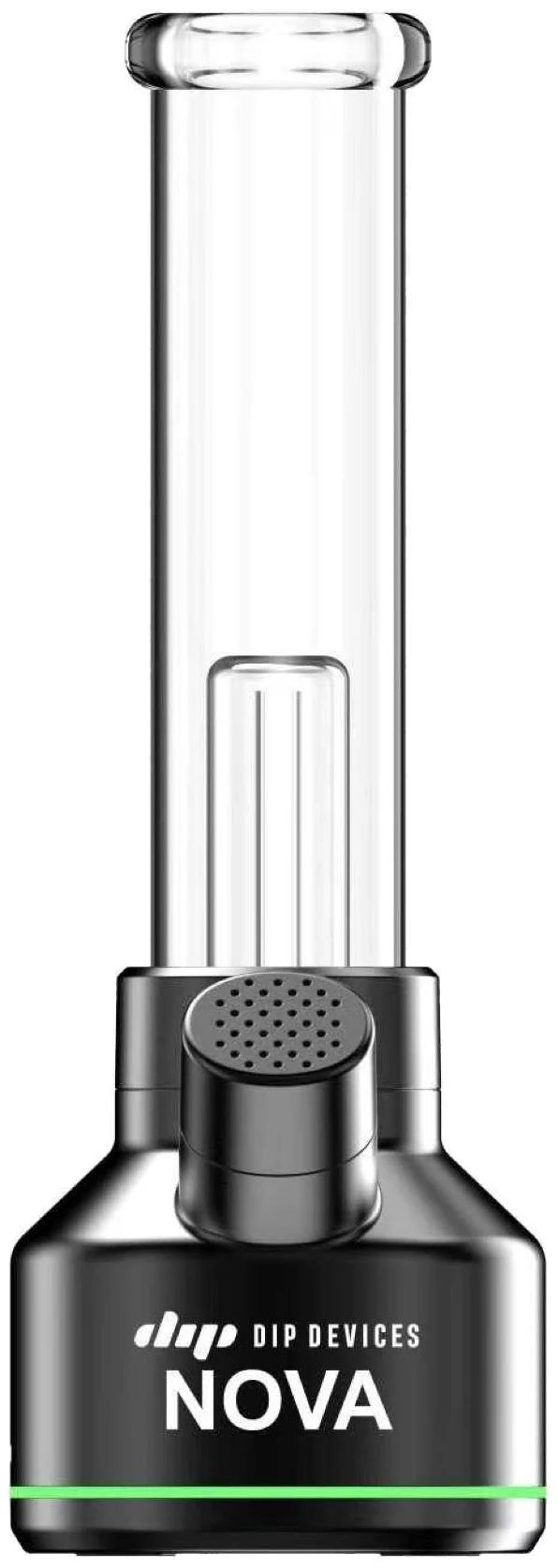
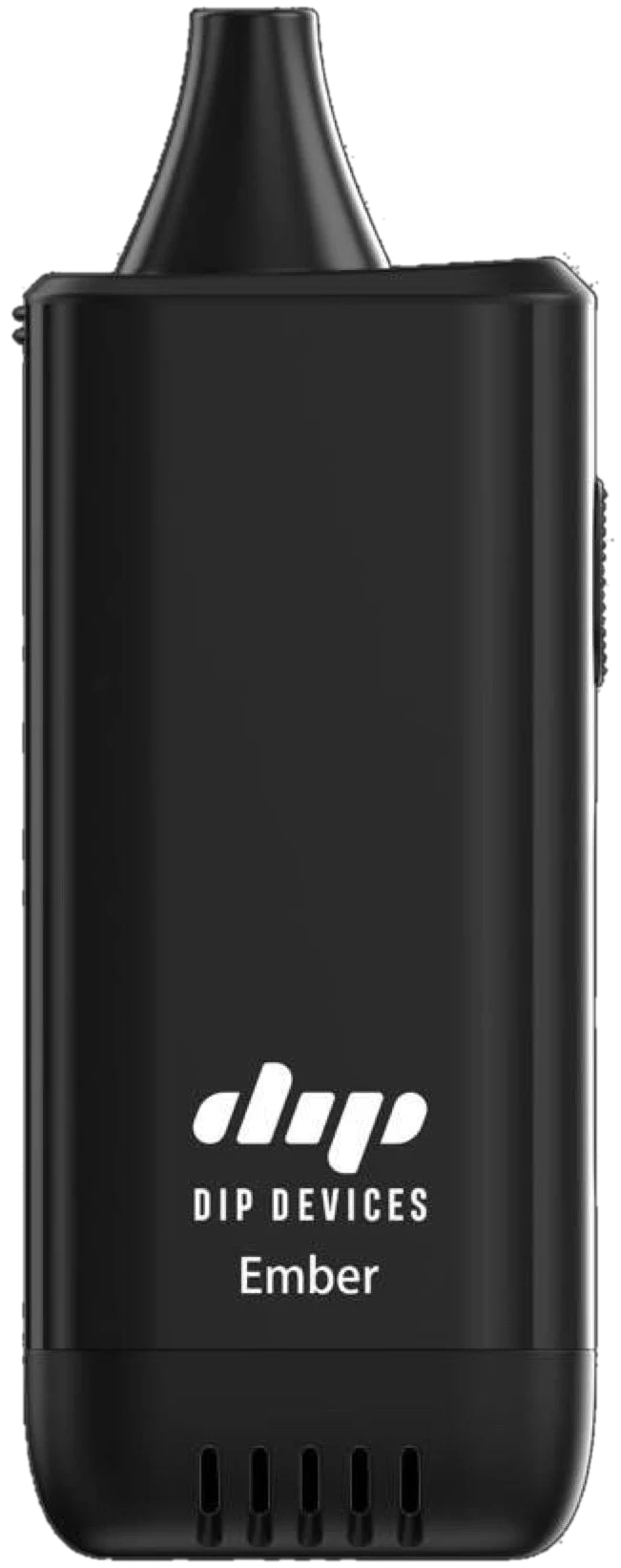
A rechargeable pipe is an electric combustion pipe powered by a built-in rechargeable battery — charge it like your phone, take it anywhere, and never buy butane again. The rechargeable battery is what makes the flameless pipe genuinely portable: it untethers the device from lighters, fuel canisters, and wall outlets, putting on-demand combustion in your pocket for as long as the charge lasts.
What rechargeability actually changes for the user
A traditional pipe needs two things in your pocket: the pipe and a lighter. Lose the lighter, the pipe is useless. Run out of butane, same result. Every session has a consumable dependency — and that dependency fails at the worst moments.
A rechargeable pipe collapses the kit to one item. The ignition source is built in, battery-powered, and topped up via USB-C (or the device's charging standard) when you get home. The ownership cycle becomes: use, charge, use again. No butane refills. No lighter runs. No hunting through jacket pockets before a hike. Just a device and a cable.
The charging cycle in practice
Rechargeable electric pipes vary by device, but the general pattern:
- Charge method: USB-C is the emerging standard; some older devices use proprietary cables. Check before buying.
- Charge time: Typically 1–3 hours from depleted. Many devices support pass-through use (session while charging) — check your device.
- Sessions per charge: Varies significantly by battery capacity and session length. Devices designed for outdoor/extended use prioritize larger battery capacity; compact handhelds trade sessions-per-charge for pocket size.
- Indicator: Most rechargeable pipes include a battery indicator (LED color, blink pattern, or app readout) so you're not caught flat mid-session.
For the power-source side of this — how battery power enables flameless electric combustion — see battery-powered pipe.
Rechargeable vs butane: the total cost of ignition
Butane lighter fluid isn't expensive per unit, but it adds up across months and years — and it creates a recurring supply dependency. A rechargeable pipe's "fuel" is electricity: fractional cents per charge. Beyond cost, rechargeability removes the supply chain. You're not managing two consumables (herb + butane); you're managing one (herb). The device handles ignition from its own stored power.
That self-sufficiency matters most on longer outdoor trips — a camping weekend, a sailing charter, a ski trip — where resupply is inconvenient. Charge before you leave, and the device's ignition is covered for the trip. See flameless pipe for the windproof/waterproof angle that makes this combination particularly useful outdoors.
Is a rechargeable pipe a vape?
No. "Rechargeable" describes the power source, not the heating mechanism. An electric herb pipe is rechargeable and produces true combustion — the battery powers an element that burns the herb, not one that vaporizes it. The battery is incidental to the combustion vs vaporization question. The electronic bong (eBong) is the water-filtered, tabletop rechargeable form of the same category.
Rechargeable pipe FAQ
Can I use a rechargeable pipe while it's charging?
Pass-through charging (using the device while plugged in) depends on the specific device design. Check your manufacturer's documentation — some support it, some don't.
How many sessions does a full charge give?
This varies widely by device and session length. Entry-level devices may deliver 10–20 sessions; purpose-built outdoor models with larger batteries can exceed 50. Check product specs before buying if session count matters to your use case.
Where can I find a rechargeable pipe?
See our where-to-find guide for brands currently producing rechargeable electric combustion devices. 21+ only; check local laws.