An electric weed grinder is a battery- or USB-powered device that shreds dry herb into a fine, even consistency at the push of a button — no twisting required. Where a traditional grinder relies on you turning two toothed plates by hand, an electric grinder spins or chops the herb for you and often dispenses it straight into your bowl or cone. This guide explains how electric grinders work, how they stack up against manual grinders, how to use one well, what to look for when buying, and why grind consistency is the unsung hero of a clean burn.
What is an electric weed grinder?
An electric weed grinder (also called an electric or automatic herb grinder) uses a small motor to break down dry herb instead of hand-cranked teeth. Designs vary: some use rotating blades like a coffee grinder, others use motorized grinding plates, and many newer "grind-and-dispense" models double as a dispenser that funnels the ground herb directly into a bowl, cone or rolling tray. The common thread is one-touch operation — useful if you grind a lot, have limited hand strength or grip, or just want speed and a hands-free dispense.
Electric vs manual grinder
Neither type is strictly better — they trade convenience for control. Here's the honest comparison:
| Electric grinder | Manual grinder | |
|---|---|---|
| Speed | Fast — seconds, one button | Slower — you do the twisting |
| Effort | Hands-free; easy on wrists/grip | Requires hand strength |
| Grind control | Can over-grind to powder if you hold too long | Precise — stop when it feels right |
| Consistency | Even, especially plate-type models | Even, with good teeth |
| Kief collection | Often none (blade types) | Multi-chamber models catch kief |
| Cleaning | More parts; avoid getting the motor wet | Simple; fully washable |
| Power | Battery / USB — can run flat | None needed — always ready |
| Best for | Volume, speed, limited mobility, dispensing | Control, kief saving, simplicity |
A practical rule: if you value control and kief, a quality manual grinder is hard to beat. If you value speed, a hands-free dispense, or struggle with grip strength, an electric grinder earns its place. Many people own both.
Blade vs plate electric grinders
Not all electric grinders work the same way, and the mechanism is the single biggest driver of grind quality. Blade grinders spin a small propeller-style blade like a coffee or spice grinder — they're cheap and fast but chop unevenly, so the bottom turns to powder while the top stays coarse unless you shake and pulse. Plate (or burr-style) grinders use motorized toothed plates that mimic a manual grinder, producing a fluffier, more uniform texture and far less dust. If even consistency is your priority, pay up for a plate-type. If you just want fast and don't mind shaking the cup, a blade model is fine.
How to use an electric weed grinder
- Break up big buds first. Tear larger nugs into pea-sized pieces and remove stems. This protects the motor and gives a more even grind.
- Don't overfill. Load to the fill line (or no more than two-thirds for blade types) so the herb tumbles freely instead of jamming.
- Pulse, don't hold. For blade-style grinders, short one- to two-second pulses give a fluffy, even grind. Holding the button down turns herb into dust that burns too fast and can clog a bowl.
- Check and finish. Tip out, eyeball the consistency, and pulse again briefly if needed.
- Keep the motor dry. Wipe blades and chambers with a dry brush or lightly dampened cloth; never submerge the motor housing. Resin builds up — clean often.
What to look for when buying
- Grind type: Plate/tooth motors give a fluffier, more even grind than blade choppers, which can over-process. Decide which texture you want.
- Battery and charging: USB-C rechargeable beats disposable batteries. Check how many grinds per charge.
- Capacity and dispensing: A grind-and-dispense funnel is a real convenience if you fill cones or small bowls often.
- Build and cleaning: Removable, dishwasher-unsafe-but-rinsable chambers; metal over flimsy plastic; easy access to clean resin.
- Materials: Food-grade, BPA-free contact surfaces and aircraft-grade aluminum bodies last longer.
- Noise and warranty: Motors vary in loudness; a warranty signals the maker trusts the motor.
One thing electric grinders rarely do well is collect kief — the potent, powdery trichomes that fall off your herb. Multi-chamber manual grinders catch kief in a bottom screen; most electric models don't, so if saving kief matters to you, factor that in or keep a manual grinder alongside. It's also worth being realistic about durability: a grinder is a motor, and motors with herb resin and the occasional stem are working hard. Spending a little more on a metal-bodied, serviceable unit usually outlasts two or three bargain ones.
Why grind consistency matters for combustion
A grinder isn't just convenience — it directly controls how well your herb burns. A fine, even, fluffy grind exposes more surface area and packs uniformly, so heat reaches all of it at once. Chunky, uneven herb burns hot on the outside and stays raw in the center; powder-fine herb burns too fast, runs hot and can pull through into your pipe.
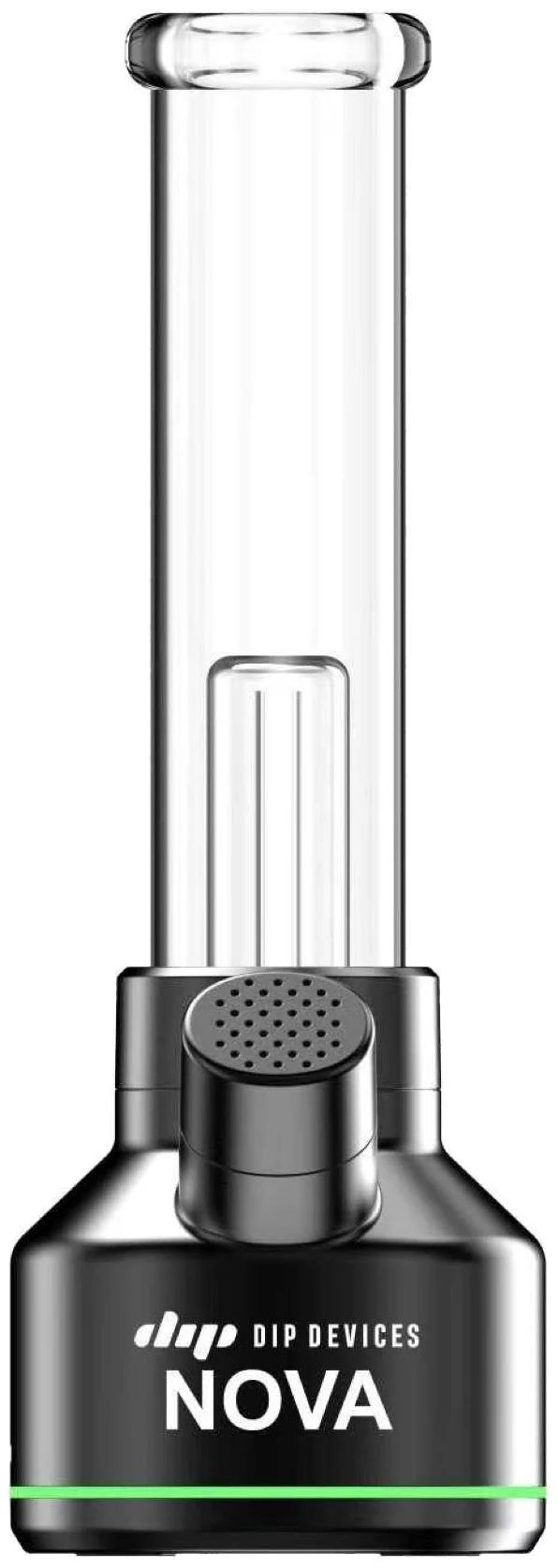
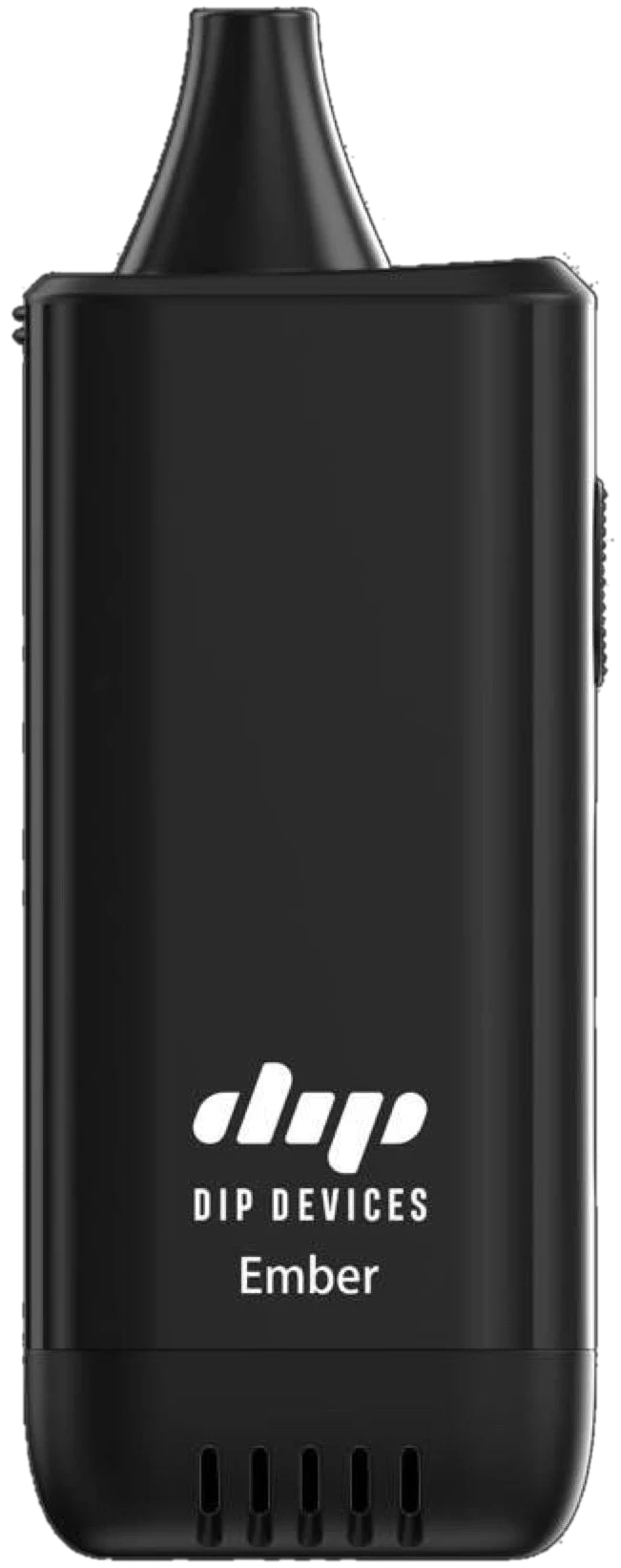
This matters most with devices that rely on even, repeatable heat. An electronic bong (eBong) and an electric herb pipe use an igniter coil to combust dry herb instead of a flame — and a consistent grind lets that element bring the whole bowl past the burn point evenly, for a smooth, complete true combustion draw. To be clear, these are combustion devices, not vaporizers: they make real smoke, not vapor. The distinction is spelled out on our vaping vs combustion guide.
If you smoke in small, single servings — say with a one hitter or a pocket handheld — a fine grind matters even more, because there's no room for stems and chunks in a tiny bowl. Grind well first; the device does the rest.
Electric weed grinder FAQ
Is an electric grinder better than a manual one?
Neither is universally better. Electric grinders win on speed, hands-free operation and easy dispensing, and they help anyone with limited grip strength. Manual grinders win on grind control and kief collection. Many people keep both and choose by the moment.
How do you get the right grind from an electric grinder?
Break up large buds first, don't overfill, and use short pulses rather than holding the button down. Pulsing produces a fluffy, even grind; over-grinding turns herb to dust that burns too fast and can clog a bowl.
Why does grind consistency matter?
An even grind packs uniformly and exposes consistent surface area, so heat reaches all of it at once — that means a smoother, more complete burn. It matters most with electric combustion devices like an eBong or electric herb pipe, where even heat from the coil relies on an even grind.
How do you clean an electric weed grinder?
Wipe the blades and chambers with a dry brush or lightly dampened cloth and clear out resin regularly. Never submerge the motor housing in water or alcohol — keep liquid away from the electronics.
Got the perfect grind? Pair it with a flameless device that burns it evenly. Browse electric combustion devices and find a brand near you. 21+ only; follow your local laws.