A one hitter is a small, single-serving pipe designed to hold just enough dry herb for one quick draw — one "hit." Slim, pocketable and discreet, it's the most minimal way to smoke: load a pinch, light, inhale once, tap out the ash, done. This guide covers exactly what a one hitter is, how to use one, the main types (including the classic dugout), the real pros and cons, and the modern flameless angle that fixes the one-hitter's single biggest weakness.
What is a one hitter?
A one hitter (also written "one-hitter" or "1 hitter") is a narrow tube — usually three to four inches long — with a small bowl at one end. The bowl holds roughly the amount of herb you'd pack into a cigarette's worth of space, enough for a single inhale. Classic versions are shaped and colored to look like a cigarette (the "bat"), which is part of the appeal: they're low-profile and easy to carry.
The point of a one hitter is portion control and portability. Instead of packing a full bowl you can't finish, you take one measured hit, conserve your herb, and keep things discreet. It's the opposite end of the spectrum from a tabletop water pipe — minimal gear, minimal smell, minimal commitment.
How to use a one hitter
- Grind your herb. A fine, even grind packs better into the small bowl and burns cleanly. A good grind matters more here than with a big bowl because there's no room for stems and chunks.
- Load the bowl. Twist the open end into your ground herb, or pinch a small amount in. Most people "dip and twist" — push the bat into the herb and rotate to pack it.
- Light and draw. Hold a flame to the packed end and inhale slowly and steadily. Because it's a small charge, one even draw usually clears it.
- Clear and tap out. Finish the hit, then tap the spent ash out (a quick knock against an ashtray, or a poke from a cleaning tool). Many bats have a slight taper so the ash plug pushes out in one piece.
- Clean regularly. Resin builds up fast in a narrow channel. Soak in isopropyl alcohol and salt, or run a pipe cleaner through every few sessions.
Types of one hitter
"One hitter" is a category, not a single design. Here's how the common types compare:
| Type | What it is | Capacity | Discretion | Best for |
|---|---|---|---|---|
| Classic bat | Cigarette-shaped metal or glass tube | One hit | High — looks like a cigarette | Pocket carry, single hits |
| Chillum | Straight conical pipe, slightly wider bowl | One to two hits | Medium | A bigger single serving |
| Dugout | Wooden/metal box holding a bat plus a stash compartment | Many refills | High — all-in-one kit | On-the-go reloading |
| Glass "blunt" / twisty | Tube with a screw or slide to advance herb | Several hits | Medium | Joint feel, no rolling |
The dugout, explained
The dugout is the one-hitter's natural companion and the reason the format stays popular. It's a small two-chamber box: one chamber holds pre-ground herb, the other holds a spring-loaded bat. You push the bat down into the herb chamber, twist to pack it, smoke, tap out, and repeat — no loose grinder or baggie needed. A dugout turns a single one hitter into a self-contained, refillable kit that fits in a jacket pocket. If you like the one-hit format but hate fumbling with separate gear, the dugout is the upgrade.
Dugouts come in wood, aluminum and acrylic, and the better ones have a magnetic or twist-lock lid to keep your stash from spilling, plus a poker tool tucked into the body for clearing the bat. The trade-off is that the herb chamber is small — you'll refill it from your main stash every day or two — so a dugout is a carry kit, not long-term storage.
Materials: glass, metal or one-piece
The bat itself matters more than people expect. Glass bats give the cleanest-tasting hit and let you see the ash, but they chip and clog. Metal (anodized aluminum or steel) bats are nearly indestructible and ideal for travel, though some smokers notice a faint metallic note until the pipe is seasoned. One-piece "digger" bats have a sharpened, fluted tip that bores into packed herb so you can self-load straight from a jar. For pure single-hit discretion, a matte metal bat that reads as a cigarette is the classic choice; for flavor at home, glass wins.
One hitter pros and cons
| Pros | Cons |
|---|---|
| Extremely portable and discreet | Tiny capacity — frequent reloading |
| Conserves herb (measured doses) | Harsh, unfiltered hit (no water cooling) |
| Cheap and simple — no battery, no parts | Clogs and resins up quickly |
| No setup; load and go | Still needs a working lighter or match |
That last con is the quiet dealbreaker. A one hitter is the most portable pipe there is — until you're somewhere a lighter won't cooperate. Wind on a trail, spray on a boat, cold on a mountain: the pipe is fine, but the flame isn't.
One hitter etiquette and care
A few habits keep the format pleasant. Tap the spent ash out immediately after each hit — a one hitter's narrow channel clogs fast if you let resin and ash cake in, and a clogged bat is miserable to clear. Carry a small poker or pipe cleaner; many dugouts include one in the body. Season a new glass bat by clearing it after the first couple of uses so flavor stays clean, and deep-clean the whole pipe in isopropyl alcohol and coarse salt every week or so of regular use. Because the bowl is so small, a one hitter also runs hotter near the mouthpiece than a longer pipe — take slow, gentle draws rather than one hard pull, both to avoid a harsh hit and to keep the ember from racing through your charge.
The modern flameless one hitter
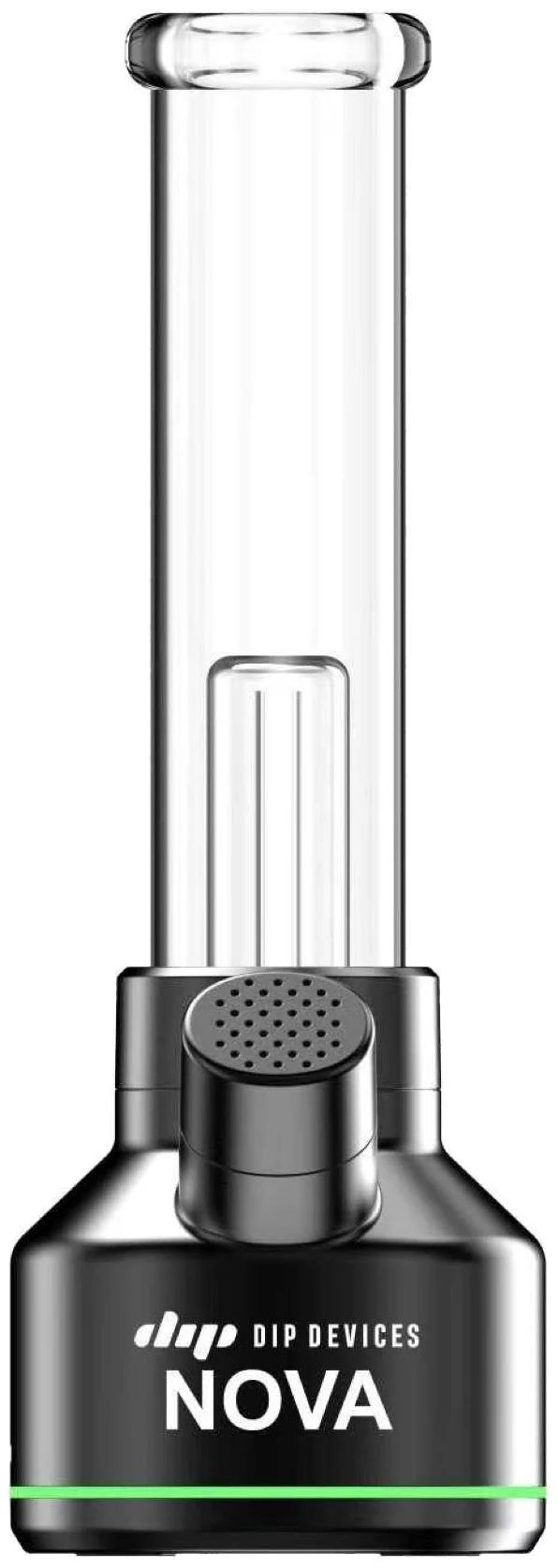
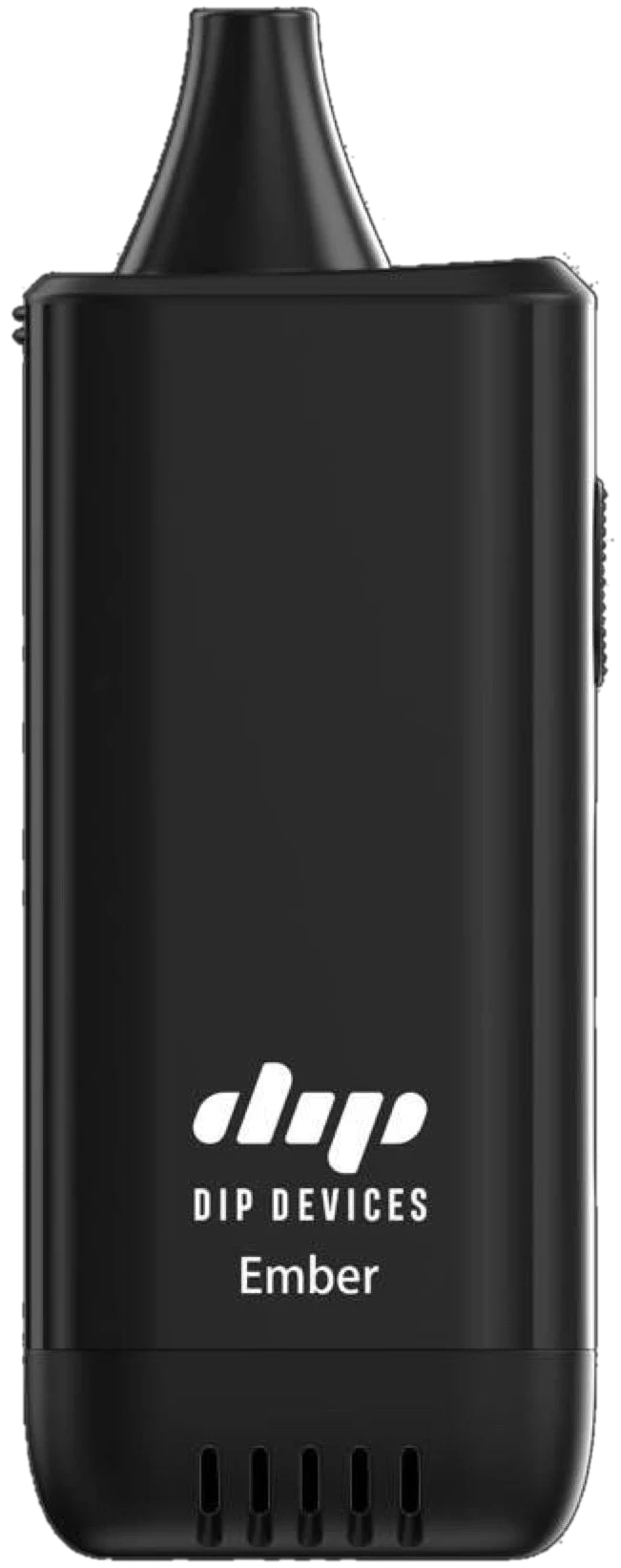
The portability problem a one hitter solves — "I want one clean hit without hauling gear" — is exactly what electric combustion handhelds are built around, minus the lighter. An electric herb pipe is a pocketable, battery-powered device that burns dry herb with an igniter coil instead of a flame. You load a small bowl, press a button, and the coil brings the herb past the burn point — true combustion, real smoke, no flame to shield from the wind.
That's the meaningful difference from a one hitter: it's windproof, waterproof and flameless by design. There's nothing to blow out and nothing to relight, so it works on the boat, the hike, the chairlift — the places a cigarette-style bat lets you down. To be clear, this is not vaping: a vaporizer stays below the burn point to make vapor, while an electric herb pipe crosses it to make smoke. The honest distinction is laid out on our vaping vs combustion guide.
It's the same minimalist, single-serving spirit as a one hitter — one quick, measured hit — carried into a flameless device. See the full range of handheld electric combustion devices, or read what defines the category on what an electronic bong (eBong) is.
One hitter FAQ
What is a one hitter used for?
A one hitter holds a single small dose of dry herb for one quick draw. People use it for portion control, discretion and portability — it's the most minimal way to smoke, with no water chamber or large bowl to pack.
What's the difference between a one hitter and a dugout?
A one hitter is the pipe itself (the "bat"). A dugout is a small box that stores pre-ground herb in one chamber and the bat in another, so you can reload on the go without a separate grinder or baggie. They're used together.
How do you pack a one hitter?
Grind your herb fine, then twist the open bowl end into the ground herb and rotate to pack it — the "dip and twist." A finer, even grind packs better and burns more cleanly in the narrow bowl.
Is there a one hitter that doesn't need a lighter?
Yes — an electric herb pipe is a handheld device that burns dry herb with an igniter coil instead of a flame, so it works in wind, water and cold where a lighter fails. It's still true combustion (real smoke), not vaping.
Ready for a flameless, pocketable upgrade on the one-hit format? Browse handheld electric combustion devices and find a brand near you. 21+ only; follow your local laws.