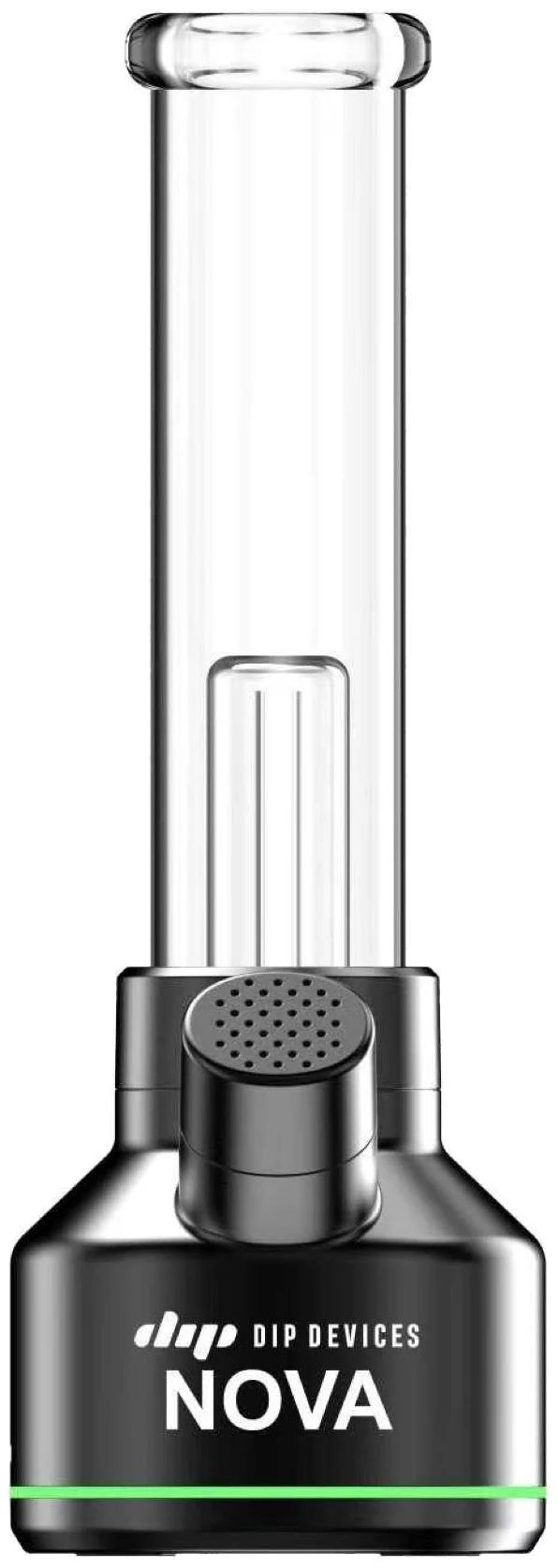
The electronic bowl — eBowl — is the core component of an electronic bong (eBong): the electrically heated combustion chamber that replaces the lighter. Understanding the eBowl as a part is how you understand why the whole device works the way it does.
The eBowl in the system
An electronic bong is built around two distinct subsystems: the water-filtration body (tube, water chamber, mouthpiece) and the combustion unit (the eBowl). The water side is essentially unchanged from a traditional bong. All the innovation is in the eBowl.
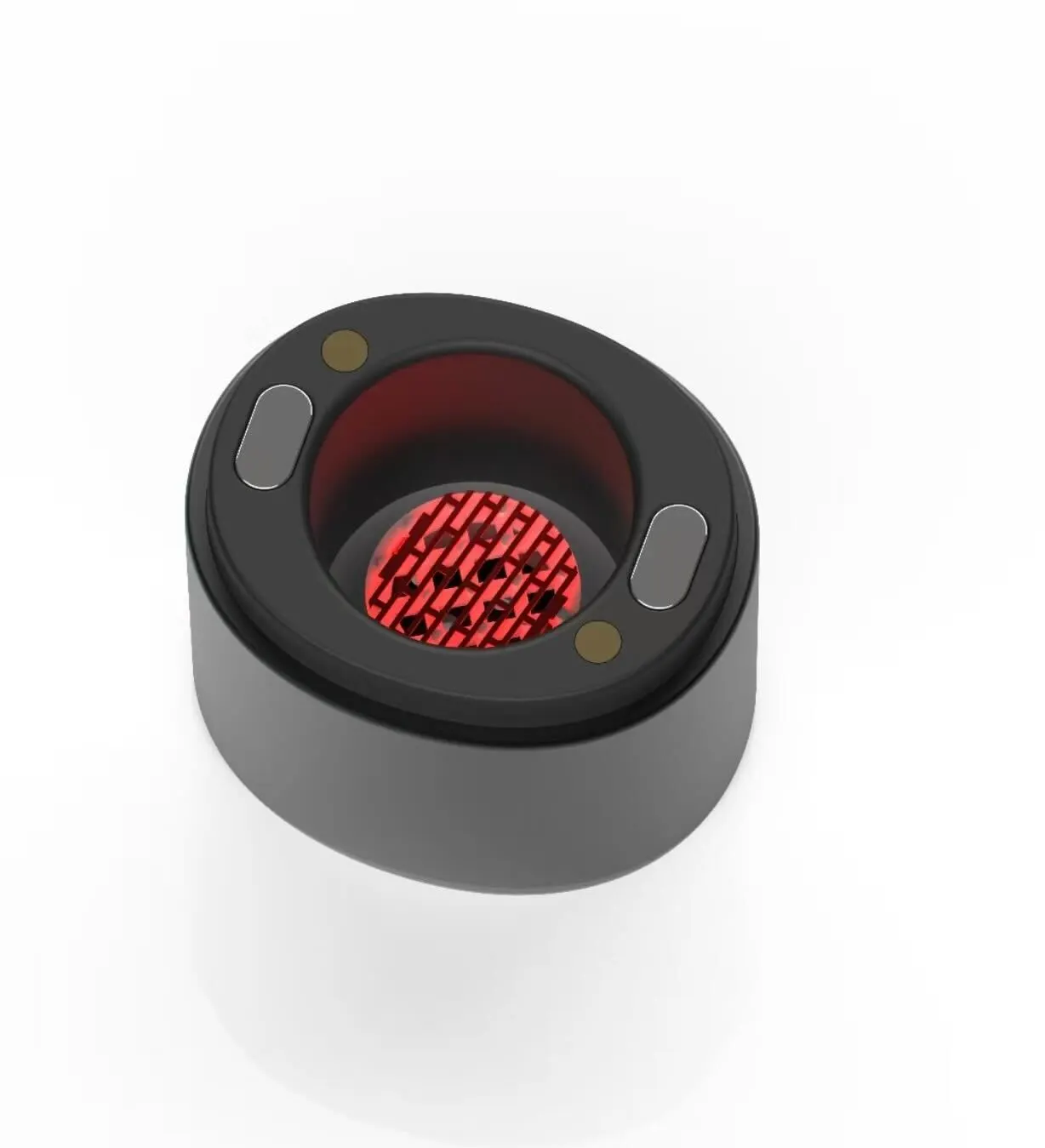
The eBowl consists of:
- The bowl chamber — the cup that holds the dry herb, typically glass or ceramic
- The igniter coil — a coil, ring, or mesh positioned at the base of the bowl that heats to combustion temperature on demand
- The power interface — magnetic contacts or a connector that transfers power from the base unit to the coil
- The control trigger — a button or circuit that activates the coil and may regulate temperature
When you press the button, power flows from the battery through the contacts to the coil. The coil reaches combustion temperature — visibly glowing red — and the herb above or around it ignites. True combustion begins. Smoke flows down through the water chamber. That's the eBowl's complete job: ignite, then sustain combustion for the draw.
Why the component matters: replaceability and consistency
In a traditional bong, the ignition source — the lighter — is disposable and external. You replace it when it runs out, not when the bong breaks. In an eBong, the ignition source is built in. That raises two design requirements a well-engineered eBowl must meet:
- Element durability. The igniter coil cycles through hundreds or thousands of combustion events. Material choice (typically resistance wire, ceramic, or mesh) determines longevity.
- Serviceability. A good eBowl design allows the bowl and element to be separated from the base unit and replaced when worn, without retiring the whole device.
This is the component-level reason the eBong improves on a traditional bong plus lighter: the "lighter" becomes a durable, replaceable, consistent-performing part of the device rather than a consumable afterthought. For the ignition-mechanism view of the same component, see electric bowl. For how this applies specifically to cannabis flower, see electric weed bowl.
How electric combustion works in the eBowl
The coil doesn't produce a flame — it produces radiant and conductive heat that raises the herb's temperature above the combustion threshold directly. This is still true combustion (the carbon in the herb oxidizes, producing smoke), but the heat source is an igniter coil rather than a chemical flame. See how electric combustion works for the full mechanism.
Electronic bowl FAQ
Is the electronic bowl the same as a vaporizer heating chamber?
No. A vaporizer heating chamber is designed to stay below combustion temperature — it produces vapor. The electronic bowl (eBowl) is designed to reach combustion temperature — it produces smoke. Same concept of a heated chamber; opposite temperature targets.
Can I buy a replacement eBowl?
Replacement availability varies by brand and device model. Check with the manufacturer of your specific eBong. As the category matures, aftermarket bowl compatibility is expected to improve.
Where do I find eBong devices with a quality electronic bowl?
See our where-to-find guide for brands currently producing electric combustion devices. 21+ only; check local laws.