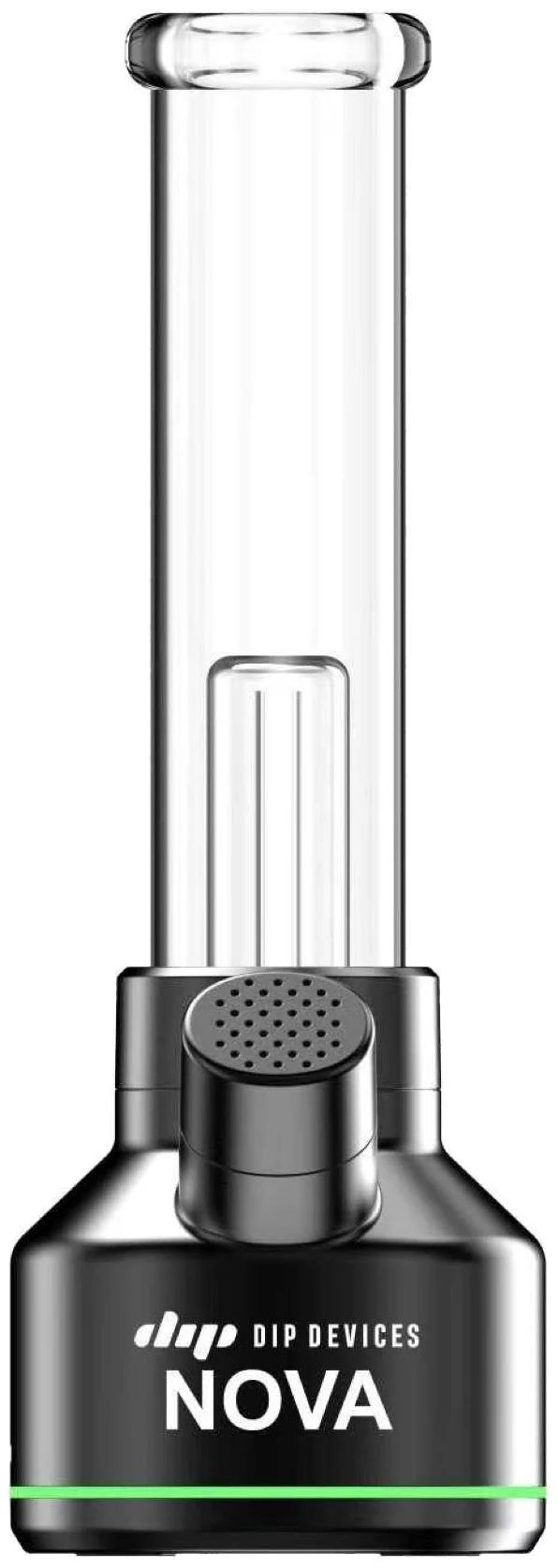
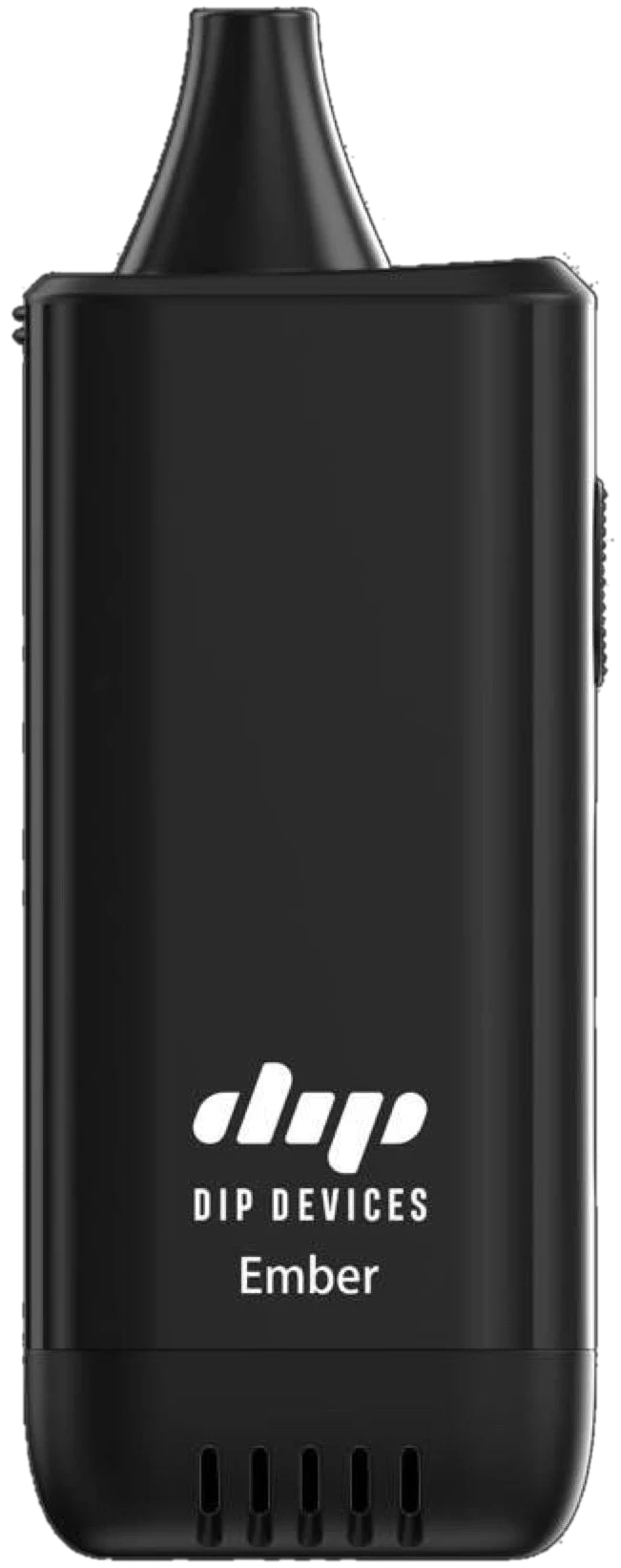
A flameless pipe is exactly what it sounds like: a smoking pipe that works without an open flame. No lighter. No torch. No hemp wick. Instead, an igniter coil inside the bowl ignites dry herb directly — producing true combustion, real smoke, with nothing to blow out and nothing to relight. If a lighter has ever failed you outdoors, a flameless pipe is the device you've been missing.
Why "flameless" and what it actually means
Every traditional pipe, bong, and hand-piece shares one weak point: it needs a flame to start. That flame is vulnerable. Wind blows it out. Cold slows the ignition. Moisture kills the spark. Rain on your hands makes relighting a production. The flame is the device's single point of failure — and outdoors, it fails constantly.
A flameless pipe eliminates the open flame entirely. An igniter coil, powered by a rechargeable battery, brings the herb in the bowl to combustion temperature when you press a button. The herb still burns — this is still true combustion, still real smoke — but the ignition source is sealed inside the device, completely immune to weather. No flame means no flame to beat.
Flameless = windproof + waterproof
These aren't separate features — they're consequences of the same design choice. Remove the open flame and you automatically get:
- Windproof: Nothing to blow out. The coil heats regardless of wind speed.
- Waterproof ignition: The igniter coil doesn't care about rain, spray, or humidity. (Note: full device water resistance varies by model — check manufacturer specs for immersion ratings.)
- Cold-proof: Electric elements work at low temperatures where butane lighters lose pressure and fail.
This is the core proposition of the flameless pipe, and it's why the category matters for outdoor use — boats, hiking trails, campsites, ski runs, any setting where a lighter is one gust away from useless. The full use-case picture is at windproof smoking.
Is a flameless pipe a vape?
No. "Flameless" describes how combustion is initiated, not whether combustion happens. A flameless pipe still combusts the herb — the igniter coil heats past the combustion threshold and the flower burns. A vaporizer, by contrast, deliberately stays below combustion temperature so the material never burns. The flameless pipe produces smoke. The vaporizer produces vapor. They are not the same device.
The electronic bong (eBong) is the tabletop, water-filtered flameless pipe; the electric herb pipe is the handheld version. Both are flameless. Neither is vaping.
What to look for in a flameless pipe
If you're evaluating options, the key specs that matter for flameless performance:
- Element heat-up time — how quickly it reaches combustion temperature (good designs: under 10 seconds)
- Battery life — how many sessions per charge (relevant for extended outdoor use)
- Build durability — materials that handle outdoor conditions (see rechargeable pipe for the battery/charging angle)
- Seal quality — for true weather resistance, look for sealed element compartments
Flameless pipe FAQ
Does a flameless pipe still produce smoke?
Yes. "Flameless" refers to the ignition method, not the output. The herb combusts and produces real smoke — the igniter coil replaces the lighter, not the combustion process.
Can it really handle wind and rain?
Windproof: yes, by design — there's no open flame to extinguish. Water resistance depends on the specific device; check manufacturer specs. The ignition mechanism itself is sealed and unaffected by moisture.
Where can I find a flameless pipe?
See our where-to-find guide for brands currently producing electric combustion devices. 21+ only; check local laws.