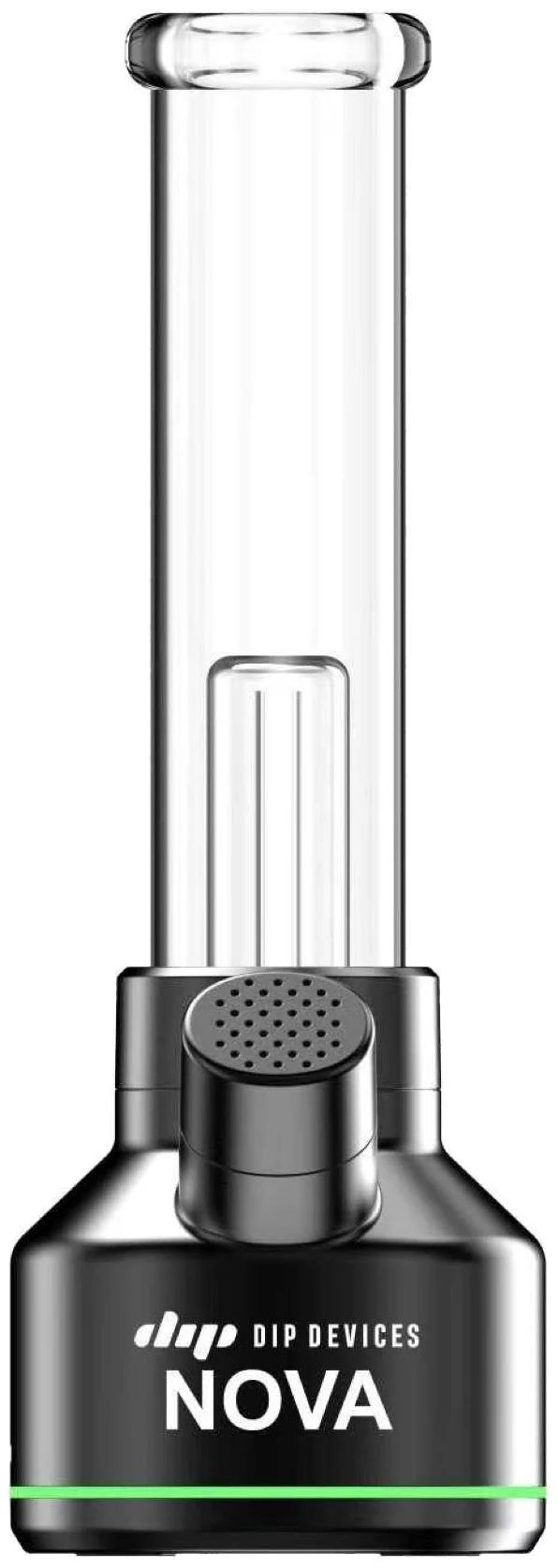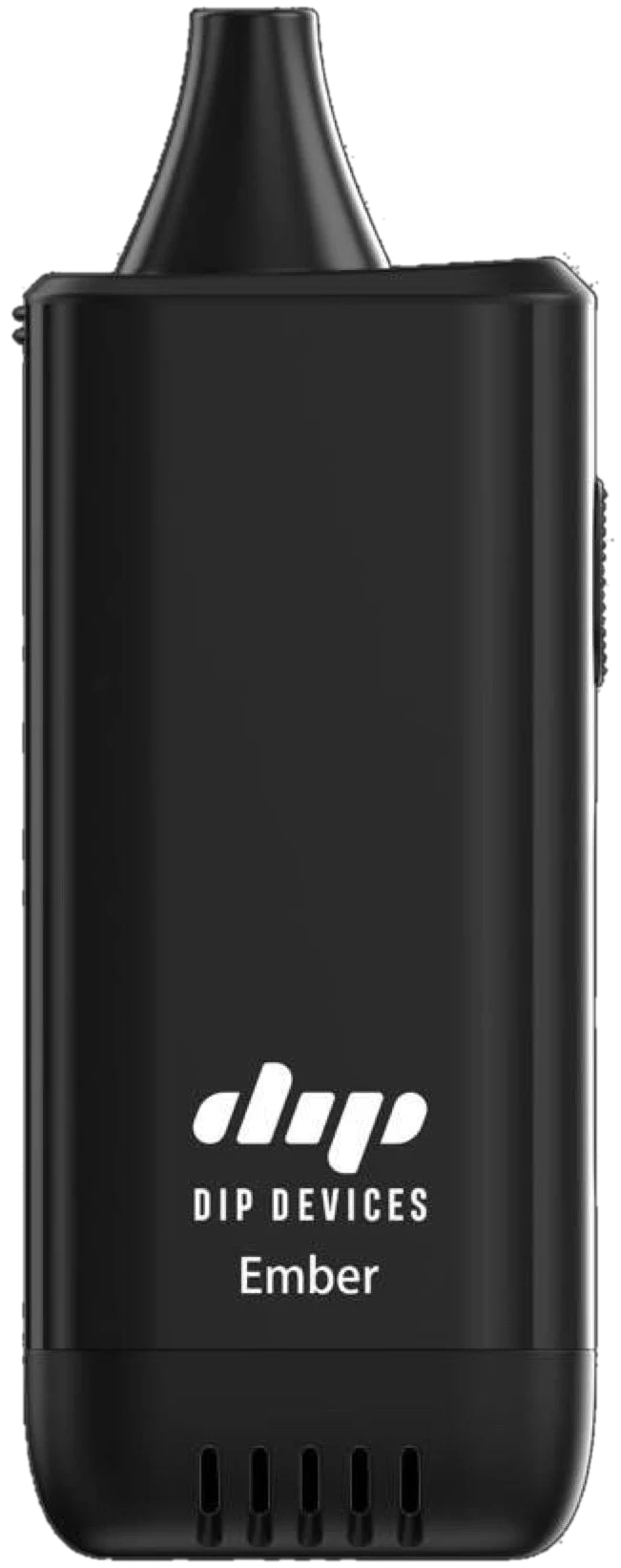
No — an electronic bong (eBong) is not vaping. Vaping means vaporizing: heating material below the point where it burns, to release vapor. An eBong does the opposite — it uses electric combustion to take dry herb past the burn point and produce true smoke, exactly like a joint or a traditional bong. The confusion is understandable, because the eBong has a battery and a button. But a battery doesn't make something a vape. What's produced, and the temperature it's produced at, are what decide the category — and on both counts the eBong is combustion, not vaporization.
Why people assume it's a vape
The word "vape" got stretched far beyond its meaning during the e-cigarette boom. It now gets slapped on almost anything battery-powered you inhale from. So when people see an electric device with a charging port and a button, the reflex is "that's a vape." But the battery only replaces the lighter — it's a power source, not a process. The process is what matters, and the eBong's process is burning. For the full mechanism-level breakdown, see vaping vs combustion.
The mechanism: heat below the burn point vs. heat past it
This is the whole argument, and it's not subjective. A vaporizer is engineered to hold material in a band under ignition — roughly 180–220 °C (about 355–430 °F) — hot enough to release cannabinoids and terpenes as vapor, but deliberately below the point where the plant catches fire. An electronic bong (eBong) is engineered to do the opposite: its electric element drives the herb past the combustion point — roughly 450 °C (about 850 °F) and up — so the material actually burns. Vaporizers avoid combustion on purpose; the eBong is combustion on purpose. Same plant, opposite intent. See how electric combustion works for why an element can cross that line without a flame.
What's produced: smoke vs. vapor
The clearest tell is what comes out. Burning produces smoke; heating-without-burning produces vapor. They are physically different things — smoke is the product of combustion, vapor is the product of evaporation below the burn point. An eBong makes smoke, drawn through water just like a traditional bong. A vaporizer makes vapor. If real smoke is coming off it, by definition it's combusting, not vaporizing.
| Electronic bong (eBong) | Dry-herb vaporizer (vaping) | |
|---|---|---|
| Process | Combustion — the herb burns | Vaporization — the herb is heated, not burned |
| Temperature | ~450 °C+ (850 °F+) | ~180–220 °C (355–430 °F) |
| What's produced | True smoke | Vapor |
| Taste | Full, "toasted," classic smoke flavor | Cleaner, lighter, more terpene-forward |
| Heat source | Electric element (no flame) | Electric element (no flame) |
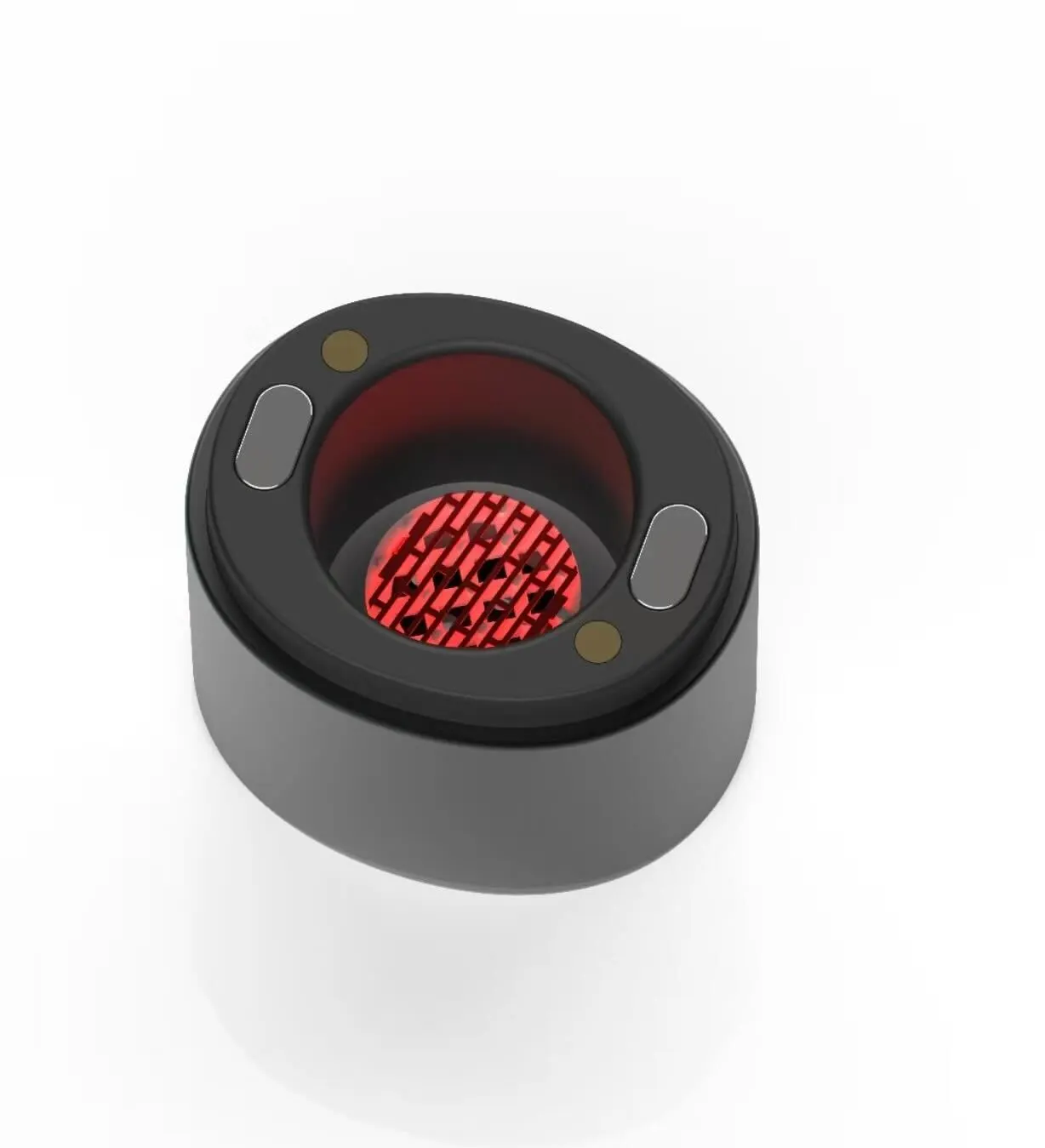
Notice the last row: both use an igniter coil with no flame. That's the only thing they share — and it's the thing that fools people. The coil is just a heat source; what you do with the heat (cross the burn point or stay below it) is what splits combustion from vaping.
Taste: you can taste the difference
Beyond the physics, the experience tells you which one you're doing. Combustion tastes full and "toasted" — the familiar flavor of smoke. Vaporization tastes cleaner and lighter, more terpene-forward, because nothing is burning. An eBong delivers the combustion flavor profile, because it's combusting. If you've ever switched between a dry-herb vaporizer and a bong, you already know the two don't taste the same — and the eBong sits firmly on the bong side of that line.
Why combustion without a flame even exists
If combustion is the goal, why not just use a lighter? Because the flame is the weak link. A flame gutters in wind, won't catch in the cold, and dies the instant it gets wet. Electric combustion keeps the burn but ditches the flame, so the device is windproof, waterproof and flameless — it can't be beaten by wind or water. That's the entire reason the technology exists: true combustion, minus the flame's fragility. It was never meant to be vaporization with extra steps; it's smoking that survives conditions where a lighter can't.
The bottom line
An eBong burns dry herb, reaches combustion temperatures, produces smoke, and tastes like smoke. By every measure that defines a vape, it isn't one — it's combustion, with an igniter coil standing in for the flame. The only honest time we use the word "vaporizer" about an eBong is to say what it isn't. For the side that genuinely does vaporize — concentrate — that's a separate category; and for the full comparison of the two, start with vaping vs combustion or browse the FAQ hub.
Is it vaping? FAQ
Is an electronic bong vaping?
No. An eBong uses electric combustion to burn dry herb past the burn point, producing true smoke — not vapor. Vaping means vaporizing below the burn point. They are opposite processes.
It has a battery — doesn't that make it a vape?
No. The battery just replaces the lighter. "Vape" describes vaporizing below ignition; the eBong burns above it. What's produced and the temperature decide the category, not the power source.
What's the difference between smoke and vapor?
Smoke is the product of combustion (burning); vapor is the product of heating material below the burn point. An eBong makes smoke; a vaporizer makes vapor.
Is an electric dab rig vaping?
Technically yes — a dab rig vaporizes concentrate rather than burning flower. That's the opposite of an eBong, which combusts dry herb. See vaping vs combustion.
Want true combustion that survives wind and water? See the electronic bong range and where to get one. 21+ only; follow your local laws.