The cost of vaping vs smoking comes down to two buckets: what you pay once (the device) and what you pay forever (the material and consumables). Smoking is cheap to start and steady to run; vaping costs more upfront but can stretch your material further. Over a year, the winner depends far more on how much you use and what you use than on the method itself. (All figures below are illustrative — prices vary by market and legality.)
The two cost buckets
Almost every "vaping vs smoking cost" debate gets confused because people compare one bucket and ignore the other. There are really two:
- Upfront (one-time): the device itself. A pack of papers or a basic pipe is near-zero; a dry-herb vaporizer or an electronic bong (eBong) is a real purchase that then lasts.
- Ongoing (recurring): the material you burn or heat, plus consumables — lighters, butane, papers, filters, screens, replacement parts, charging.
Cheap upfront often means more spent ongoing, and vice versa. The honest comparison adds both over the time you actually plan to use the thing.
Illustrative year-one cost breakdown
The table below is an illustration of structure, not a price quote — actual numbers swing widely by region, legal market vs. not, how often you use, and how efficient your device is. Use it to see where the money goes, not as a budget.
| Cost line | Smoking (combustion) | Vaping flower (vaporizer) | Electric combustion (eBong) |
|---|---|---|---|
| Device (one-time) | Low — pipe/papers | Higher — vaporizer | Higher — eBong |
| Ongoing material | Standard use rate | Often stretches further (lower-temp extraction) | Standard combustion use rate |
| Lighters / butane | Recurring | None | None (electric element; recharge) |
| Consumables | Papers, filters, screens | Screens, occasional parts | Occasional parts, recharge |
| Power / charging | None | Recharge | Recharge |
| Shape of the spend | Low start, steady ongoing | Higher start, potentially lower material burn | Higher start, no flame consumables |
Figures and rates are illustrative and vary by market, legality, usage and product. This is not pricing for any jurisdiction and not a purchase quote.
Where the money actually goes
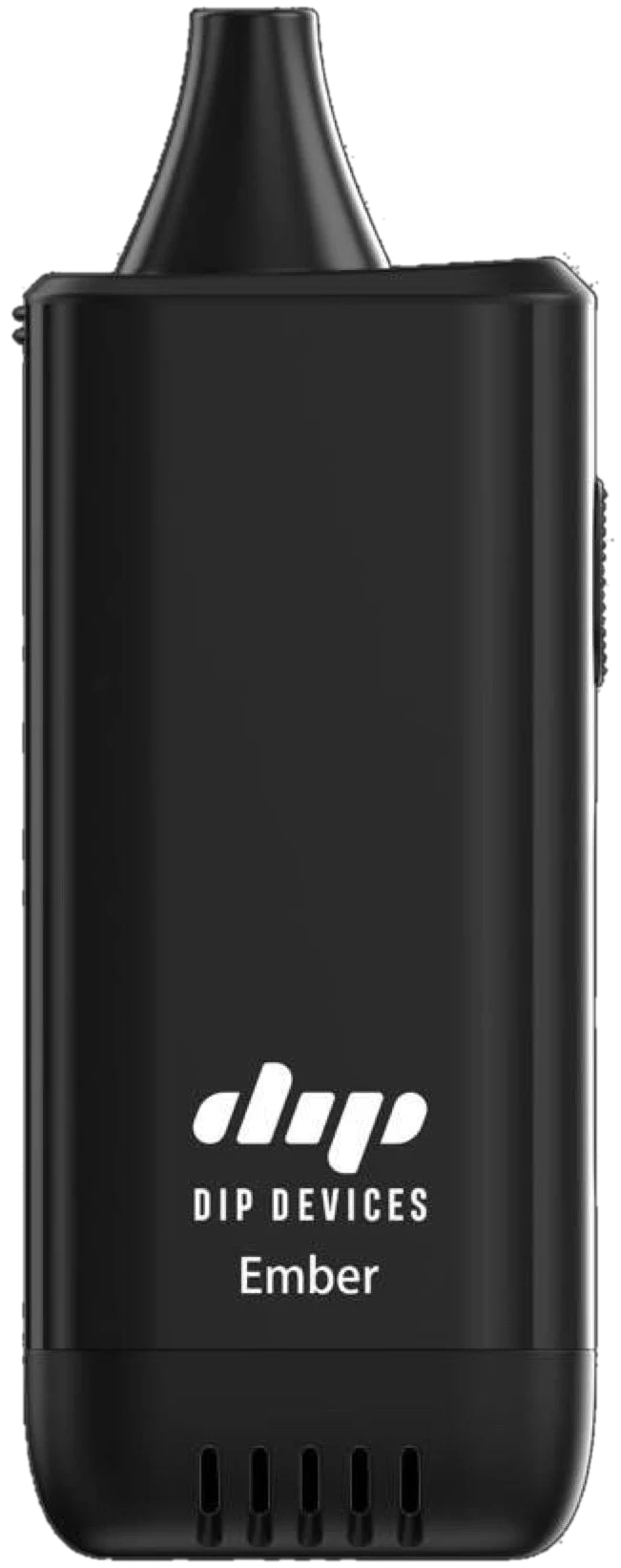
For most regular users, the recurring material is the dominant lifetime cost — the device is a rounding error spread over months. That's why the more interesting question isn't "is vaping cheaper than smoking" on day one, but "which one wastes less material over a year." Combustion burns everything in the bowl at once, including compounds the flame destroys before you inhale them. Vaporization heats more gently and is often described as extracting more from the same amount of flower, which can stretch your supply — that's the efficiency argument for vaping's higher upfront cost. (Leftover toasted material from a vaporizer is also sometimes reused, though that's a usage choice, not a guarantee.)
The electric-combustion angle
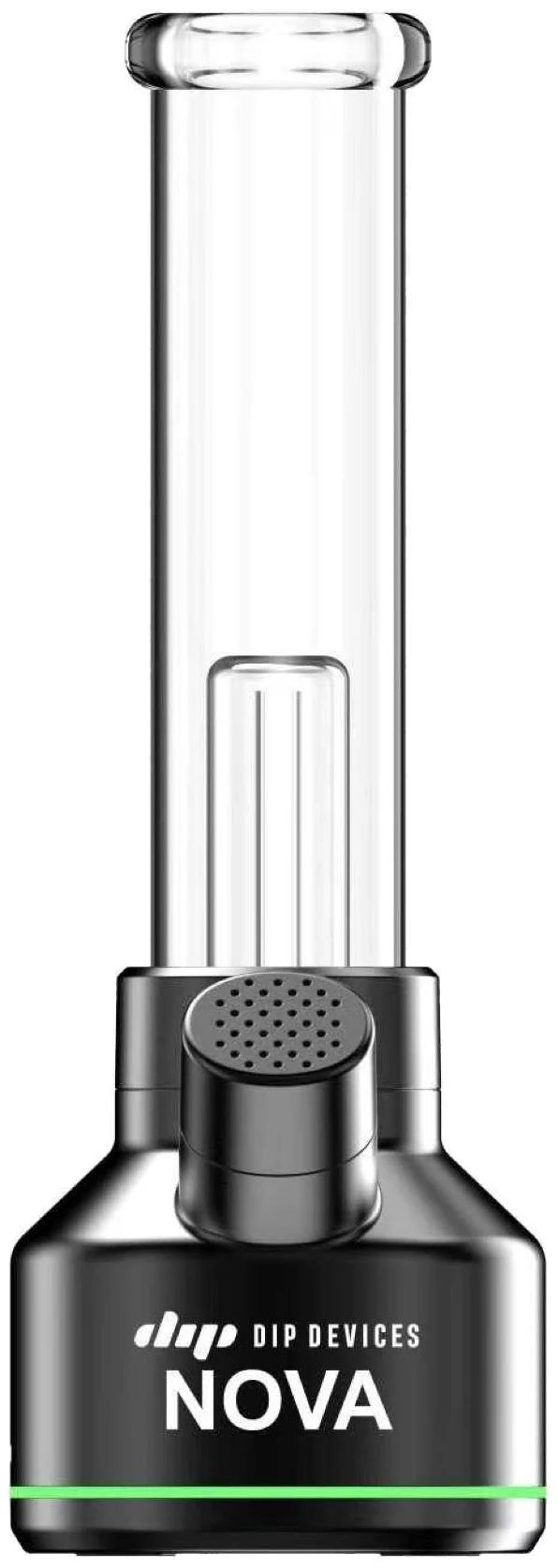
Electric combustion changes the cost shape rather than the material rate. An eBong burns dry herb like any combustion method, so it doesn't stretch material the way a vaporizer can — but it removes a small, easy-to-forget recurring line: lighters and butane. There's no flame, so there's nothing to keep replacing, and there's a practical payoff that doesn't show on a spreadsheet — because it's windproof and waterproof, you're not losing material relighting a joint that the wind keeps killing on a boat, a hike, or a cold morning. The trade is the usual one: a higher one-time device cost in exchange for a cleaner ongoing profile. Whether that math wins for you depends entirely on how often you use it.
So, is vaping cheaper than smoking?
It depends — genuinely. Light, occasional use favors the near-zero upfront cost of basic smoking gear. Heavy, regular use can favor vaping's material efficiency, where the pricier device pays itself back over months. Electric combustion sits in between: a device cost like a vaporizer, a material rate like smoking, and no flame consumables. Decide on your real usage, not the day-one sticker. For the experience side of the choice, see smoking weed vs vaping; for the definitions, the vaping vs combustion pillar and is vaping the same as smoking?.
Cost of vaping vs smoking FAQ
Is vaping cheaper than smoking?
It depends on how much you use. Vaping costs more upfront but can stretch material further with lower-temperature extraction; light users often spend less by sticking with low-cost smoking gear. Heavy users may recoup a vaporizer's price over time.
What's the biggest ongoing cost?
For regular users, the recurring material is usually the dominant lifetime cost — far more than the device. That's why material efficiency matters more than the day-one device price.
Does an electronic bong cost less to run?
An eBong burns material at a normal combustion rate, so it doesn't stretch flower like a vaporizer — but it removes lighters and butane as a recurring cost since it's flameless and rechargeable.
Are these cost figures accurate for my area?
No — they're illustrative of structure only. Real prices vary widely by market, legality, usage and product. Treat the table as a map of where money goes, not a budget.
Comparing devices before you buy? See the windproof eBong and where to get one. 21+ only; follow your local laws.