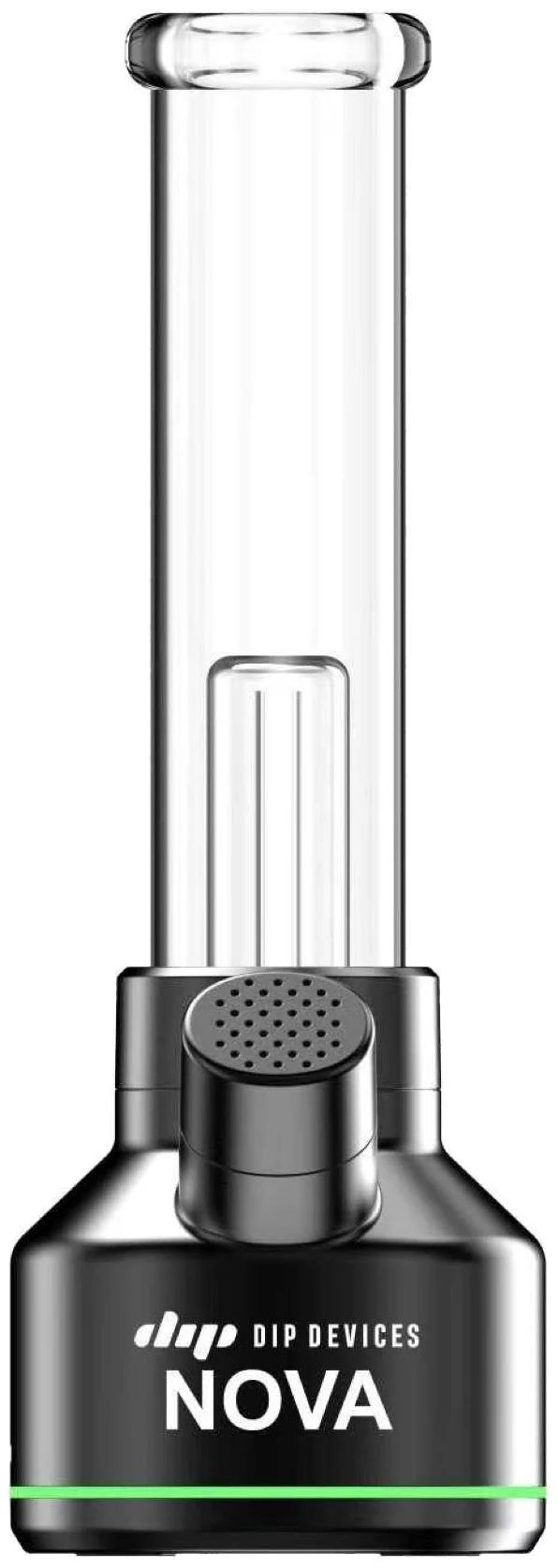
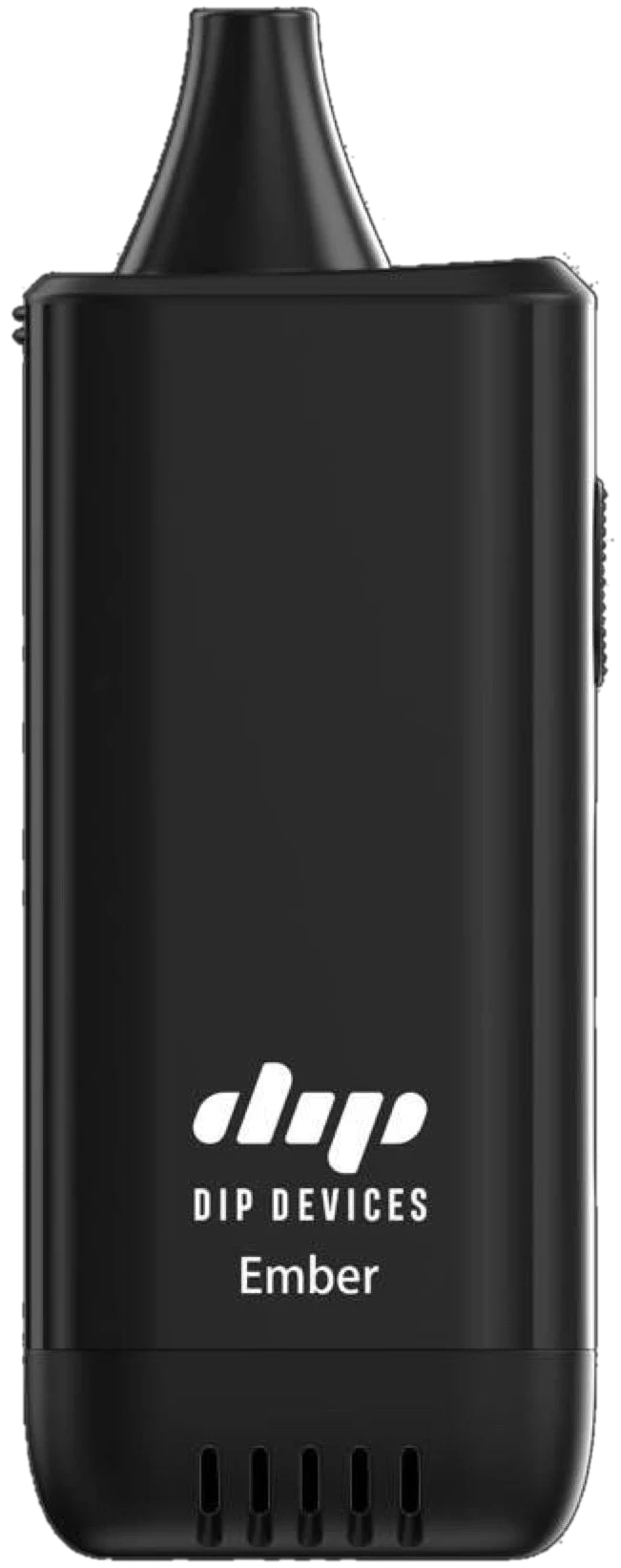
No — vaping is not the same as smoking. Smoking burns material through true combustion and produces smoke. Vaping heats material below the burn point and produces vapor. Same act of inhaling, but a different physical process, different temperature, and different chemistry in what you breathe in.
The one-line difference
Smoking is combustion — burning. Vaping is vaporization — heating without burning. If the material catches and turns to ash, you're smoking. If it's heated until compounds lift off as vapor but the material never burns, you're vaping. That single fork — crossing the burn point or staying under it — is the whole answer to "is vaping the same as smoking."
The mechanism, briefly
When you smoke, a flame (or hot element) takes the material past its ignition point, usually above roughly 450 °C (about 850 °F). It burns, leaving ash, and you inhale smoke: the active compounds plus tar, particulate, and the byproducts of combustion. When you vape, a device holds the material at a lower temperature — for dry herb, roughly 180–210 °C (about 355–410 °F) — hot enough to release cannabinoids and terpenes as vapor, but below the point where it ignites. You're left with toasted, un-burned material, not ash. Same plant, opposite intent: one device is built to burn, the other is built specifically not to.
How to tell which you're doing
Three quick tests settle it almost every time:
- Is there a flame or a glowing burn? Open flame or visibly burning material → combustion (smoking).
- What's left over? Ash → you burned it (smoking). Brown, toasted, intact material → you vaporized it (vaping).
- Smoke or vapor? Dense, lingering, "smoke" smell → combustion. Lighter, faster-fading cloud → vapor.
This is also why a dab rig confuses people: the hit feels huge, so it seems like smoking, but a dab actually vaporizes concentrate — no flower is burned. See electric dab rig. For the cannabis-specific version of the comparison, see smoking weed vs vaping.
The edge case that proves the rule: electric combustion
If "no flame" meant "not smoking," there'd be a problem — because there's a device with no flame that is still 100% combustion. It's the electronic bong (eBong), and it runs on electric combustion.
An electronic bong (eBong) is an electric combustion device — it burns dry herb with true combustion using an igniter coil instead of a flame, so it can't be beaten by wind or water. It is not a vaporizer and it is not vaping.
This is the useful edge case: the eBong has no flame, yet it produces true smoke, leaves ash, and is unmistakably combustion. That proves the real test isn't "is there a flame" — it's "does the material burn." A glowing electric element pushes the bowl past the burn point just like a lighter would, only it's windproof and waterproof because there's no open flame to be beaten by wind or water. So an eBong is combustion (smoking), not vaping — even though it's electronic and flameless.
So, related but not identical
Vaping and smoking are cousins — both inhale active compounds, both feel "smoke-adjacent" — but they are not the same thing. The cleanest way to remember it: smoking burns, vaping doesn't. For the full mechanism, taste, and effect breakdown, read the vaping vs combustion pillar; for the careful, sourced health angle, see vaping vs smoking and your lungs.
FAQ
Is vaping the same as smoking?
No. Smoking burns material (combustion) and produces smoke; vaping heats it below the burn point (vaporization) and produces vapor. Different process, temperature, and chemistry.
Is vaping technically smoking?
No. "Smoking" specifically means burning material. Vaping is designed to stay below the burn point, so technically it isn't smoking — though people often use the words loosely.
Is an electronic bong vaping or smoking?
Smoking. An electronic bong (eBong) uses electric combustion — it burns dry herb with an igniter coil instead of a flame, producing true smoke. It is combustion, not vaping.
Why do people confuse vaping and smoking?
The e-cigarette boom made "vape" mean almost any battery-powered inhaler, and "smoking" became a catch-all. Big vapor clouds also look like smoke, so the line blurred — but the mechanisms are opposite.
Want the deeper breakdown? Read the full vaping vs combustion explainer. 21+ only; follow your local laws.