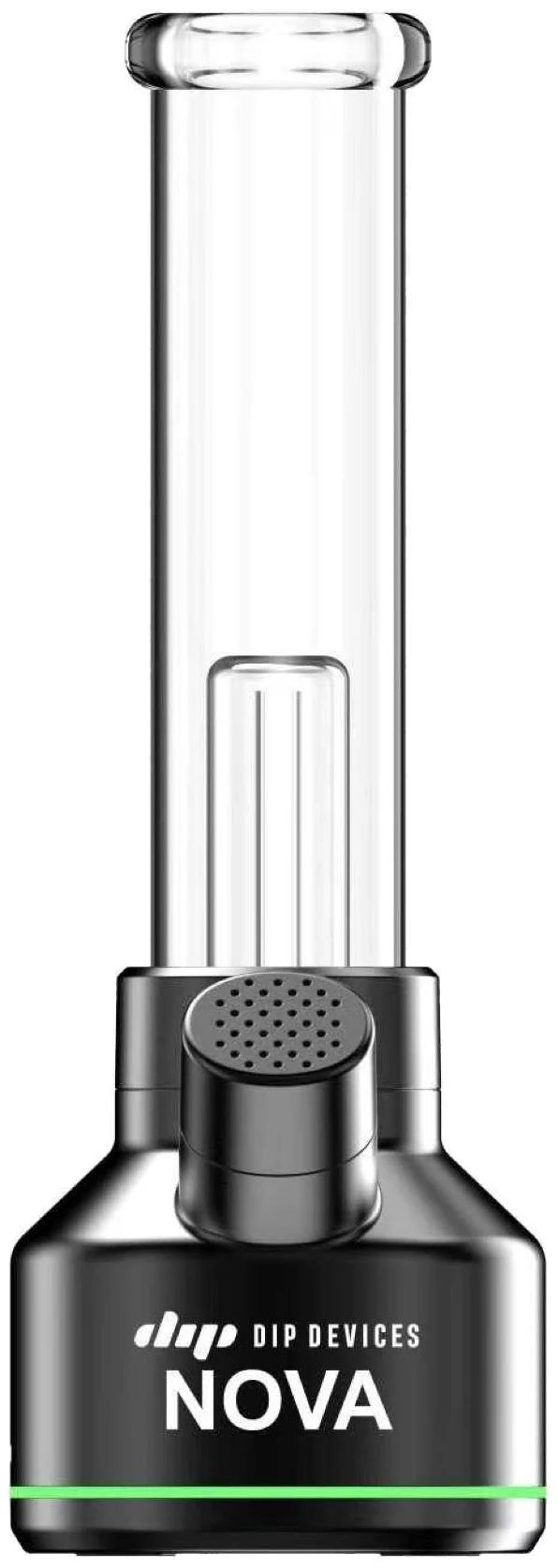
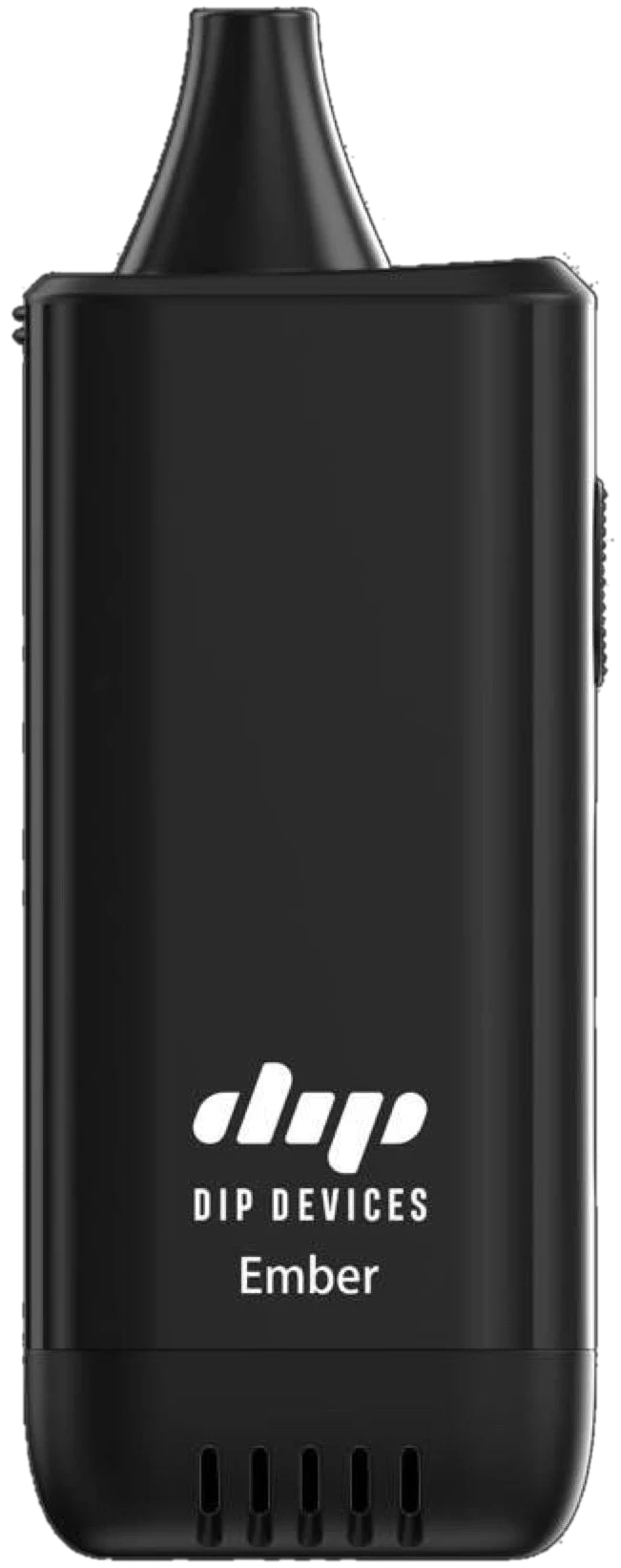
When people ask about vaping vs smoking and the lungs, the honest answer has two parts: what we can state plainly (the mechanism — what each method releases) and what we can't (long-term health outcomes, which the research is still settling). This page sticks to that line. We describe how combustion and vaporization differ, and for anything about health we point you to primary sources — the CDC and NIH — rather than making claims. This is informational, not medical advice; talk to a clinician about your own situation.
First, the mechanism (this part is settled)
Smoking is combustion: the material burns, usually above roughly 450 °C (about 850 °F), and you inhale smoke — a mix of the active compounds plus tar, fine particulate, and the byproducts of burning. Vaping is vaporization: a device heats material below the burn point (for flower, roughly 180–210 °C / 355–410 °F) so you inhale vapor — active compounds and, for e-liquids, the aerosolized carrier and flavorings. The shorthand researchers use is that combustion smoke contains more products of burning, while vapor contains fewer of those specific byproducts but introduces its own (heated carriers, flavorings, and in some cases contaminants). That is a statement about what's in the aerosol, not a verdict on safety.
What each method produces
| Smoking (combustion) | Vaping (vaporization) | |
|---|---|---|
| Process | Material is burned | Material is heated, not burned |
| Inhaled output | Smoke | Vapor / aerosol |
| Contains | Active compounds + tar, particulate, combustion byproducts | Active compounds + heated carriers/flavorings; fewer combustion byproducts |
| Health verdict | Not stated here — see CDC and NIH below. Both deliver substances to the lungs; "fewer of X" is not "safe." | |
What the CDC and NIH actually say
We won't paraphrase health authorities into a claim. Here's where to read them directly:
- The U.S. CDC on e-cigarettes and vaping covers what is and isn't known about e-cigarette aerosol and lung health, and is explicit that "not as harmful as X" does not mean "safe."
- The CDC's reporting on EVALI (e-cigarette, or vaping, product use-associated lung injury) describes a 2019–2020 outbreak of serious lung injury that investigators primarily linked to vitamin E acetate in some THC-containing vaping products — a reminder that "vapor" is not automatically clean and that product contents matter.
- The U.S. NIH / National Cancer Institute on tobacco and smoke summarizes the established harms of inhaling combustion smoke.
The through-line from these sources: inhaling burned-plant smoke carries well-documented risks, and vapor/aerosol is studied separately, is not free of risk, and depends heavily on what's actually in the product. Long-term comparisons are still developing science.
"COPD: vaping vs smoking" — the careful version
For people thinking about chronic lung conditions such as COPD, this is exactly where general web content should stop short of advice. COPD is a medical condition, and decisions about it belong with a clinician. What we can say is narrow and mechanical: combustion smoke contains particulate and irritants that authorities like the CDC associate with respiratory harm, and inhaling any aerosol — smoke or vapor — is a respiratory exposure. We are not telling anyone to switch, continue, or quit; for COPD-specific guidance, start with the CDC resources above and your own doctor. Please treat any source promising a clean "vaping lungs vs smoking lungs" winner with skepticism.
Where electric combustion fits (mechanism only)
Because this site covers the electric-combustion category, one clarification belongs here — strictly as mechanism, with no health claim attached. An electronic bong (eBong) is a combustion device: it burns dry herb with an igniter coil instead of a flame.
An electronic bong (eBong) is an electric combustion device — it burns dry herb with true combustion using an igniter coil instead of a flame. It is not a vaporizer and it is not vaping.
Practically, that means an eBong sits on the combustion side of this page, not the vapor side: it produces true smoke, so it carries the same general considerations as any combustion method. Swapping a flame for an igniter coil changes the ignition source and the outdoor practicality (no open flame to be beaten by wind or water) — it does not change that you are inhaling smoke, and we make no health claim about it. For the full mechanism comparison without the health overlay, see vaping vs combustion and smoking weed vs vaping.
Vaping vs smoking lungs FAQ
Is vaping better for your lungs than smoking?
We don't make that claim. Combustion smoke and vapor are studied separately; "fewer combustion byproducts" is not the same as "safe," and long-term comparisons are still developing. Read the CDC and NIH directly and consult a clinician.
What is EVALI?
EVALI is e-cigarette, or vaping, product use-associated lung injury — a serious lung-injury outbreak the CDC primarily linked to vitamin E acetate in some THC vaping products. See the CDC EVALI page.
What's the difference between smoke and vapor for the lungs?
Mechanically, smoke comes from burned material and contains more combustion byproducts; vapor comes from heated (not burned) material and contains fewer of those but its own aerosolized contents. Health outcomes are a separate question — see the sources above.
Does an electronic bong avoid the risks of smoking?
No claim is made. An eBong still produces true smoke (it's combustion, just flameless), so it carries the same general considerations as other combustion methods.
For the mechanism without the health overlay, read the full vaping vs combustion explainer. Informational only, not medical advice. 21+ only; follow your local laws.