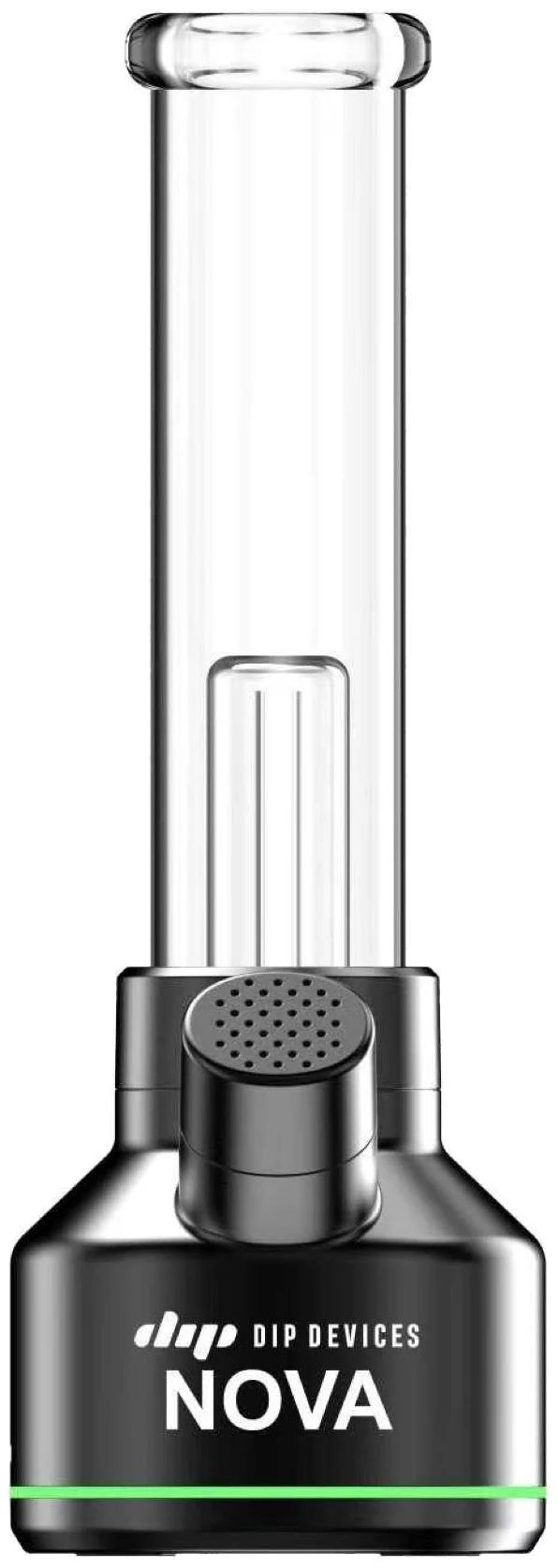
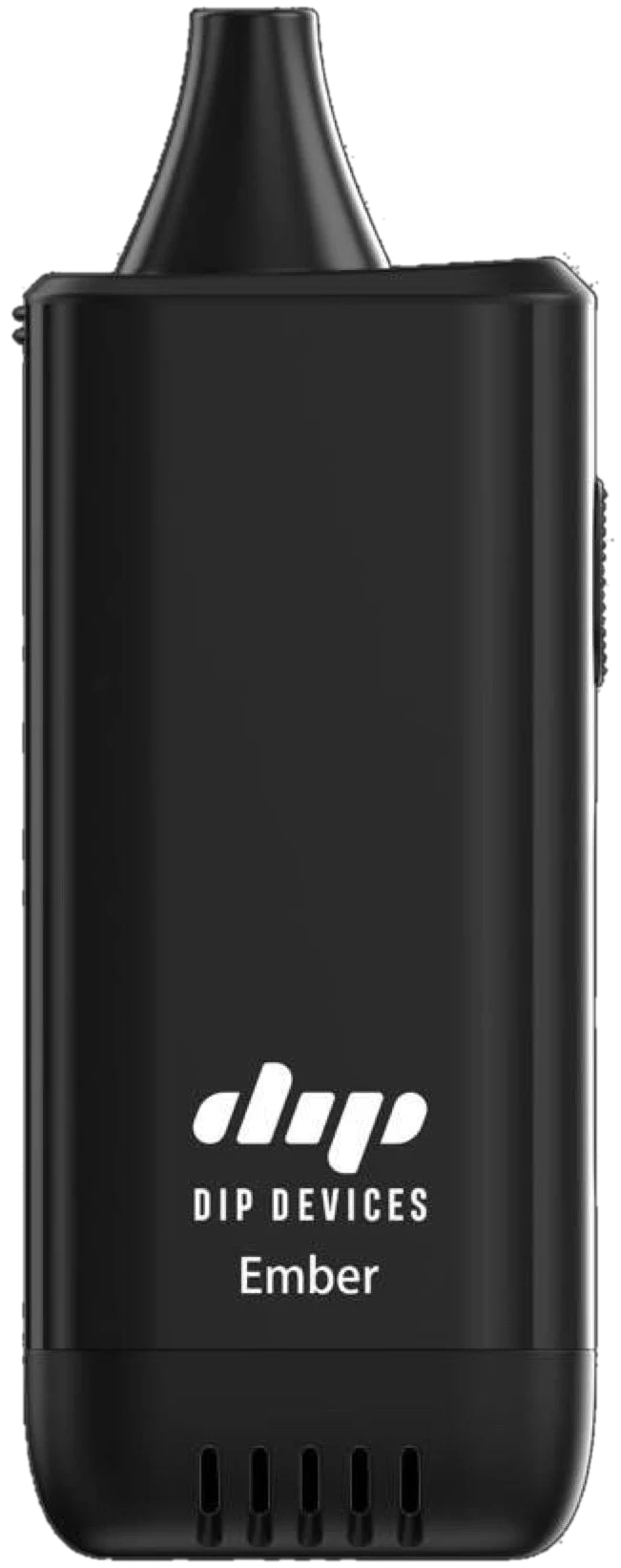
A battery powered pipe uses stored electrical energy — a lithium battery — to heat a combustion element instead of burning fuel for ignition. That's the mechanism behind every flameless electric pipe: the battery is the energy source that replaces butane, not just a convenience feature bolted on. Understanding why battery power specifically enables this changes how you think about the whole category.
Why battery power, not just "electric"
When people say "electric pipe," they sometimes mean "plugged into a wall." A battery powered pipe is different: it carries its own energy supply. The battery stores electrical energy, releases it on demand through the igniter coil, and is the reason the device is both cordless and flameless simultaneously.
A wall-tethered device would also be electric, but it wouldn't be portable. The battery is what makes the combination — flameless ignition + go-anywhere use — possible in a handheld form factor. Remove the battery and you either lose the flameless mechanism or lose the portability. They're coupled.
How the battery powers combustion
Combustion requires heat above the material's ignition temperature. In a lighter, that heat comes from burning butane — a chemical combustion reaction that produces the flame. In a battery powered pipe, the heat comes from electrical resistance: current from the battery flows through an igniter coil (a coil, mesh, or ceramic resistor), the coil's resistance converts electrical energy to heat, and the coil surface reaches combustion temperature.
No fuel combustion in the ignition step. The only combustion is the herb itself — which is the point. The battery-to-element-to-herb chain produces true combustion in the bowl without any flame chemistry preceding it. For a deeper look at the mechanism, see how electric combustion works.
Battery power vs butane: two ways to carry ignition energy
| Battery powered pipe | Butane lighter + pipe | |
|---|---|---|
| Energy carrier | Lithium battery (electrical energy) | Butane canister (chemical energy) |
| Energy conversion | Electricity → resistive heat → combustion | Butane combustion → flame → combustion |
| Runs out? | Battery depletes; rechargeable via USB | Butane depletes; must refill or replace |
| Fails in wind? | No — no open flame | Yes — flame extinguishes |
| Fails in cold? | Battery performance reduces at extremes; element still fires | Butane pressure drops; lighter fails more readily |
The practical upshot: a battery is a more reliable ignition energy carrier outdoors than butane, because the energy release mechanism (resistive heating) is not affected by wind or altitude the way a chemical flame is. See flameless pipe for the full windproof/waterproof picture.
Battery capacity and real-world use
Battery capacity in a pipe is a direct trade-off with device size. A compact handheld prioritizes pocketability; a larger device can carry more battery for more sessions between charges. Neither is wrong — it depends on your use pattern. Short daily sessions from a pocket device vs. all-day outdoor use from a larger unit are different requirements. The charging angle — what rechargeability means for day-to-day ownership — is covered on the rechargeable pipe page. The electronic bong (eBong) is the tabletop, water-filtered version of the same battery-powered combustion category.
Battery powered pipe FAQ
Does "battery powered" mean it's a vape?
No. Battery power is the energy source; vaping vs combustion describes the heating mechanism. A battery powered pipe that heats herb to combustion temperature produces smoke — combustion, not vaping. A dry-herb vaporizer is also battery powered but stays below combustion temperature. The battery tells you nothing about which side of that line the device is on.
Does cold weather affect battery performance?
Lithium batteries lose some capacity at low temperatures — a known limitation of the chemistry. For cold-weather outdoor use, keep the device in an inner pocket between sessions to maintain battery warmth. This is a general lithium battery characteristic, not specific to electric pipes.
Where can I find battery powered electric pipes?
See our where-to-find guide for brands currently producing battery powered electric combustion devices. 21+ only; check local laws.